





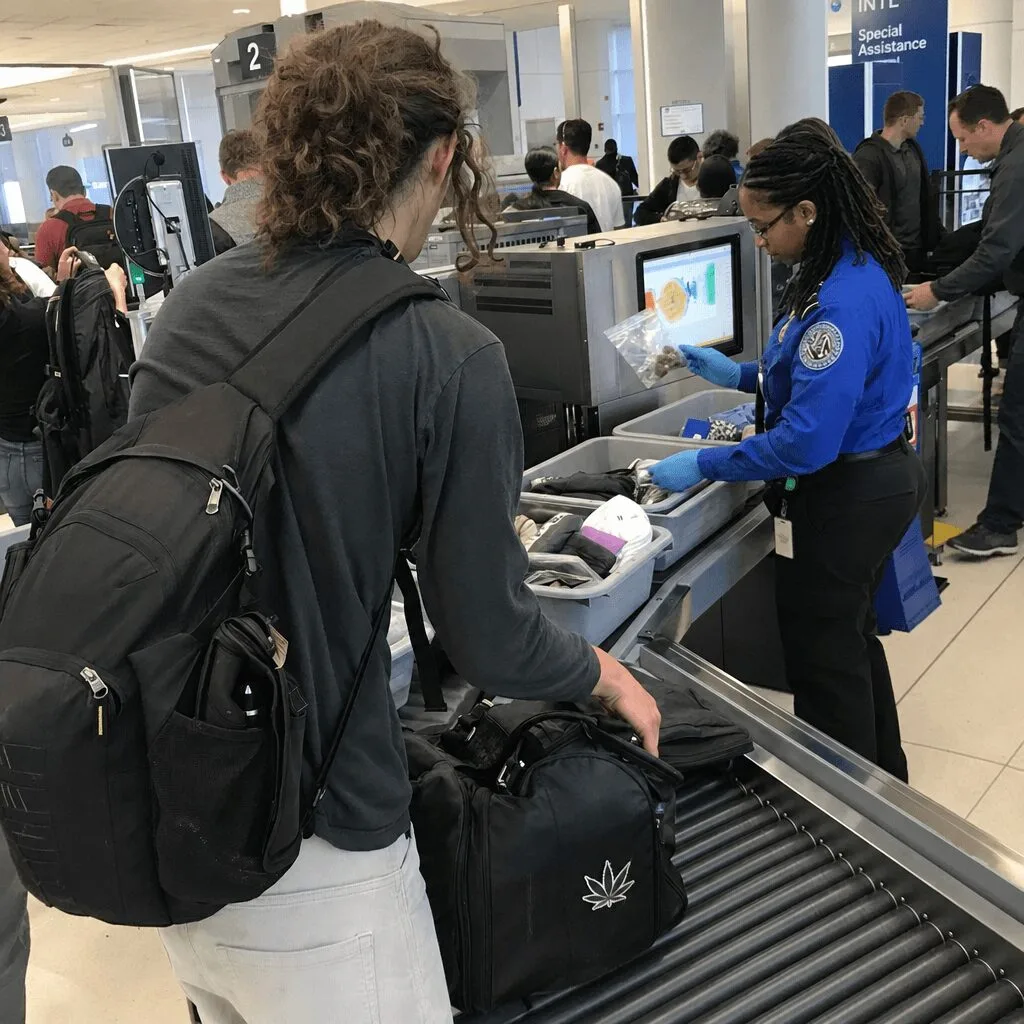
TSA marijuana policy: What flyers need to know now
Travelers are buzzing about the evolving TSA marijuana policy—and for good reason. Whether you’re a medical patient, a curious consumer, or someone who’s just heard about recent changes, the rules on flying with cannabis have never felt more confusing or urgent. With legalization spreading faster than you can say “pre-roll,” and airports sitting at the intersection of state and federal rules, understanding what’s up with TSA and marijuana is a must for anyone rolling through security. This article breaks down the latest updates, crucial regulations, and what cannabis fans really need to watch for in 2024, so you can breeze through security without stress.
Understanding the TSA Marijuana Policy: Legal, Social Background, and State Variations
The TSA marijuana policy isn’t just about what happens at airport security, it’s tangled up in America’s patchwork of cannabis laws. Nationwide, cannabis remains federally illegal, classified as a Schedule I substance under the Controlled Substances Act. The U.S. Drug Enforcement Administration still lists marijuana alongside heroin and LSD, despite sweeping adult-use legalization in over 20 states and medical programs in more than 35. However, for those traveling from states with stricter enforcement and unique regulations, insights in this essential travel guide showcase how federal and local Texas policies can affect your experience at airport checkpoints. But here’s the kicker: every airport, even in weed-friendly California, operates under federal jurisdiction, especially when it comes to security checks. According to the official TSA guidance, all forms of marijuana, medical or recreational, are banned at the federal level, even if they’re legal at your departure or arrival location. This creates an awkward standoff, state officials and local law enforcement often defer to state laws, but the TSA can still intercept cannabis during screening. That’s why understanding the latest TSA marijuana policy is absolutely critical for travelers. The debate isn’t just legal, it’s also about traveler privacy rights, cannabis normalization, and the growing calls for federal reform, as seen in ongoing efforts like the Ending Federal Marijuana Prohibition Act.
Latest Developments in TSA Marijuana Policy: What’s Really Going On?
According to recent reporting by NJ.com, the TSA has made headlines by apparently allowing some cannabis products on planes, but with serious catches. Here’s the rundown: while TSA officers don’t actively search for marijuana, if they discover it during standard screening, their response depends on the airport’s location and the specific state law in effect. In New Jersey, for instance, after the state’s legalization in 2021, travelers caught with small amounts are often simply waved through or referred to local authorities, who may not pursue any legal action since state law permits possession. These kinds of state versus federal policy debates are reminiscent of what’s currently happening in places like Kentucky, where the spotlight on bluegrass cannabis adds new dimensions to local enforcement. The TSA’s official stance remains: their focus is on threats to aviation security, but any illegal substances uncovered in the process are referred to law enforcement.
- May 2026: TSA confirms that marijuana found in carry-on or checked luggage will be assessed according to local law at the airport of origin.
- Key catch: Federal rules never technically changed. Cannabis is still prohibited nationwide for transport, but “hands-off” approaches are spreading at state-legal airports.
- Medical Exception: The TSA website notes an exception for FDA-approved CBD medications, like Epidiolex, for qualifying patients. In fact, those participating in evolving cannabis research, such as CBD studies at major institutions, are helping shape the discussion around medical use exceptions.
Despite what you might see on some forums, there is no blanket guarantee you won’t be stopped or questioned if staff spot weed in your bag. The take-home? Interpret TSA marijuana policy with caution, especially when traveling through states with stricter rules, like Texas or Georgia, which continue to pursue cannabis possession criminally, per Marijuana Policy Project reports.
Pro Insights: Why the TSA Marijuana Policy Shift Matters
So what does all this flux mean for cannabis lovers and frequent flyers? First off, the mixed-message approach is raising major eyebrows across the cannabis industry. As Leafly points out, “It’s like packing for a festival, but you have to play legal roulette at the gate.” This shifting TSA marijuana policy reflects rising state-level momentum for full cannabis normalization, and it’s putting the heat on the feds to catch up. When it comes to industries most affected, you can see similar challenges for workers involved in transport, such as truck drivers navigating cannabis regulations under changing federal guidance. Industry leaders like Aaron Smith, CEO of the National Cannabis Industry Association, argue, “States are way ahead on reform, and this patchwork creates confusion and stress for law-abiding patients and consumers. We need standardized federal policies that match public opinion.” (NCIA). From a human angle, more travelers, especially medical patients, are demanding clear, compassionate guidelines. TSA agents, after all, aren’t looking to ruin anyone’s day, their stated mission is to keep air travel safe, not prosecute low-level marijuana cases. Still, the blurry lines can cause headaches for unsuspecting travelers, and the stakes are higher if crossing into prohibition states. Cannabis advocates stress this isn’t just bureaucratic drama—it’s about medical access, patient autonomy, and fair treatment of responsible adults. Expect much more debate as legalization momentum keeps rolling across the U.S., and as international travelers push for broader reform, as Marijuana Moment reports.
Where TSA Marijuana Policy Goes Next: The Road Ahead
Despite the awkward status quo, there’s every reason for optimism. The TSA marijuana policy has become a symbol of larger cannabis progress—and slow-moving federal change. Industry data shows public support for legalization at an all-time high, with Gallup reporting over 68% of Americans favoring legal weed. Policymakers are feeling the pressure, and new reform bills are already circulating on Capitol Hill. As more states—and countries—normalize cannabis, more consistent, traveler-friendly rules will become the norm rather than the exception. For now, know the TSA marijuana policy is evolving, but don’t sleep on local law: play it safe, keep up with the changes, and expect even stronger consumer protections down the runway. The future? It’s green, growing, and looking a whole lot friendlier for cannabis travelers.
Originally reported by: nj.com


1 Comment
Pingback: Marijuana Rescheduling ADA: What Does It Mean for Employers?