



Federal THC Drinks Ban: What You Need to Know Now
If you enjoy sipping a cold, cannabis-infused beverage or you work with THC drinks, you’re probably feeling the shake-up right now. The federal THC drinks ban is suddenly front and center, rocking shelves, social media chatter, and the entire infused beverage industry. With regulatory debates heating up and companies scrambling to adapt, there’s never been a more critical time to understand what the federal crackdown on THC drinks means for both consumers and the industry. In this guide, I’ll break down the key details, context, and big shifts you need to know today.
Behind the Ban: Federal Laws, State Gaps, and Changing Markets
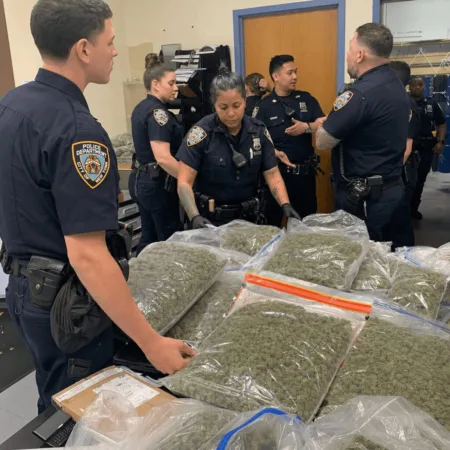
The federal THC drinks ban didn’t just appear out of thin air, it’s the latest flashpoint in an ongoing tug-of-war between local innovation and Washington D.C.’s regulatory slow roll. At its core, this ban revolves around federal cannabis laws (still Schedule I, despite skyrocketing state acceptance), and the hazy legal territory surrounding hemp-derived cannabinoids. While the 2018 Farm Bill opened the door for hemp-based products, a murky distinction around Delta-8, Delta-9, and other cannabinoids has confused enforcement and emboldened companies to push boundaries. States have taken wildly different approaches, some embracing infused drinks, others slamming the door on THC beverages. Meanwhile, market demand is booming, as much for the buzz as the alternative to alcohol. Layer in lobbying pressure, a patchwork of state hemp regulations, and evolving FDA language, and you’ve got one seriously complicated legal landscape. Events in places like New York, where recent enforcement signals suggest a tightening grip on infused beverages, highlight just how high the stakes are for businesses and consumers navigating this evolving environment.
Recent Events: The Federal THC Drinks Ban Hits the Industry
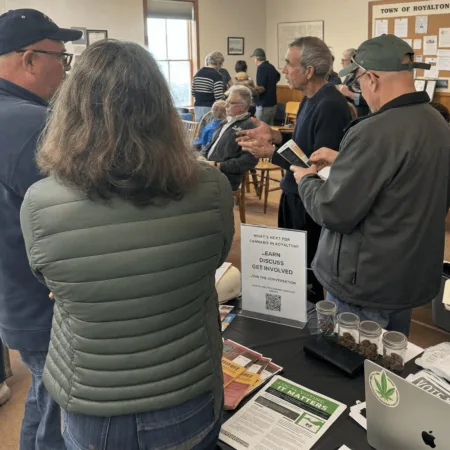
The trigger for this year’s federal THC drinks ban? In late 2023 and early 2024, a wave of urgent letters and enforcements rippled through the market, as FDA and FTC officials cracked down on retailers and manufacturers selling hemp-derived Delta-9 THC drinks that, in their view, violate federal law. According to CSP Daily News, major beverage distributors began pulling products from shelves after warnings circulated, and state-level regulators (especially in Minnesota and New York) reinforced local bans or introduced stricter labeling requirements. One big name caught in the crossfire: Minnesota’s Surly Brewing, delivered a state order to cease all THC beverage sales. Notably, some regions, such as Vermont towns considering new dispensary votes, are also feeling the regulatory ripple effects. National chains—from convenience stores to independent grocers—reacted fast, and manufacturers, including up-and-coming drink brands, rushed to clarify cannabinoid content and adjust packaging. By Q2 2024, the regulatory chill had spread across much of the country, creating uncertainty for consumers and headaches for businesses that once felt relatively secure under the hemp-friendly Farm Bill umbrella.
Industry Experts Weigh In: Why the Federal THC Drinks Ban Matters
While nobody’s welcoming the disruption, seasoned observers stress the federal THC drinks ban is both a roadblock and a wake-up call. As MJBizDaily notes, these actions reveal the urgent need for federal clarity instead of the current patchwork. Diana Eberlein, board president at the Cannabis Beverage Association, explains, “This isn’t just about stopping drinks, it’s about catalyzing the conversation for federal regulation and consumer safety. The industry needs a clear path forward.” Many experts highlight that consumer demand is only growing and argue these crackdowns may actually fast-track a more reasonable legal framework. According to a recent Brightfield Group report, infused beverages saw double-digit sales growth year-over-year, proving the appetite is real. The ban might be a speed bump, but it’s spurring innovation and dialogue from both the business and advocacy sides. This complicated situation echoes regulatory confusion felt in other cannabis sectors, much like Oklahoma’s evolving edibles rules and the way states adapt to shifting federal guidance.
What’s Next? A Brighter Future Beyond the Federal THC Drinks Ban
Let’s keep it real: Consumers aren’t suddenly losing their taste for THC beverages, and the market’s not about to vanish overnight. If anything, the federal THC drinks ban highlights just how far cannabis has come—once taboo, now a battleground over beverage rights. Smart brands are adapting fast, lobbying for change, and building public support. Encouragingly, Pew Research reports that over 88% of Americans now support access to legal cannabis in some form. That cultural wave isn’t going backward. As legal arguments and policies catch up, THC drink fans can expect smarter regulations, safer products, and continued innovation. Until then, stay informed, advocate for common sense, and don’t give up hope—the future is greener than ever.
Originally reported by: cspdailynews.com