

Shocking Denver marijuana lounge closure: What’s next for fans?
Denver’s cannabis fans just got jolted—another beloved consumption lounge is shutting its doors. With the Denver marijuana lounge closure grabbing headlines, a wave of concern is rippling through the local cannabis community. Why does this news matter? Consumption lounges are the heart of cannabis culture, allowing social use where home or public consumption is often restricted. As regulations shift and the market evolves in 2024, fans now wonder: what’s next for these essential spaces?
Understanding the Denver Marijuana Lounge Closure: Legal Landscape & Social Impact
The background of every Denver marijuana lounge closure lies in a tangle of regulatory and market factors. Colorado was first to legalize recreational cannabis, but consuming outside private homes remains tricky. In 2021, Denver authorities revised regulations to create a license structure for hospitality spaces, letting cannabis lounges operate legally (Denvergov.org). Still, operators must contend with strict zoning, costly permits, and compliance hurdles. Many lounges are also at the mercy of real estate cycles and shifting consumer tastes. Persistent stigma and fluctuating state laws further complicate the situation, as seen in other markets adjusting cannabis rules. The result, every Denver marijuana lounge closure impacts not just business owners, but also the broader culture and community that gather in these unique venues.
Key Developments & Issues: The Tetra Lounge Case
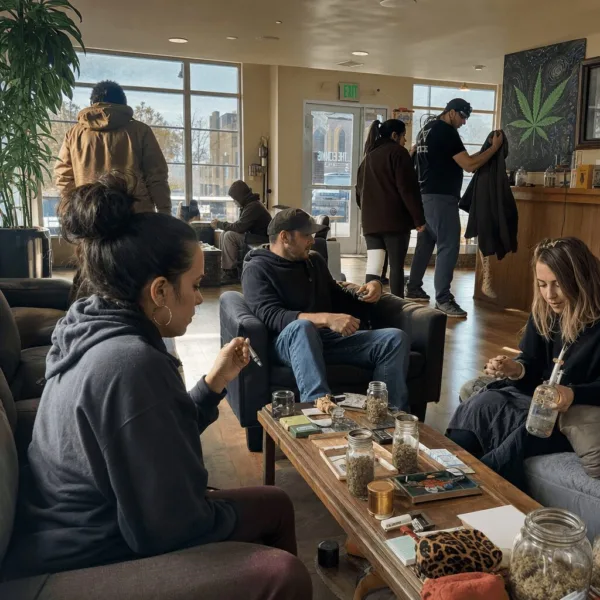
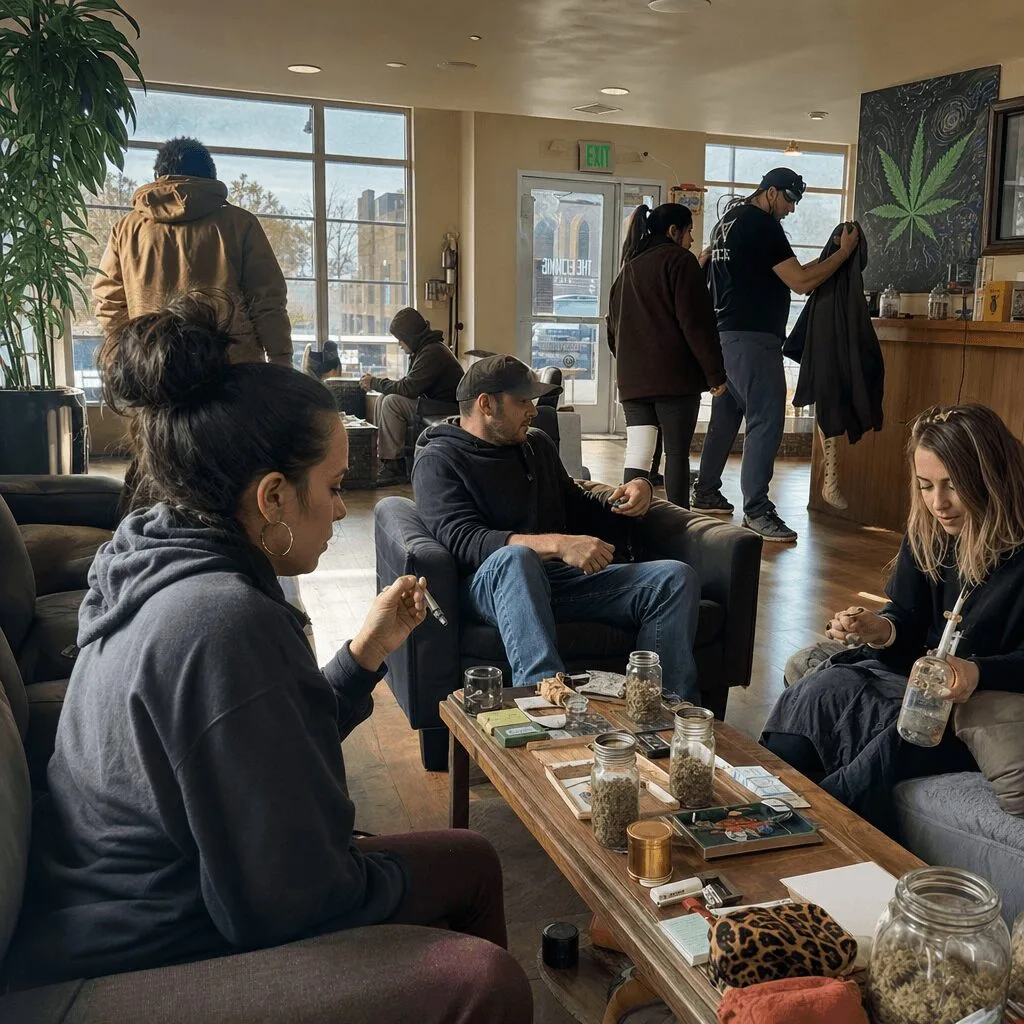
On July 21, 1784674527, fans of Denver’s Tetra Cannabis Lounge received distressing news: the flagship RiNo District venue is closing for good. As reported in the Denver Post, Tetra was one of the city’s first legally licensed cannabis lounges, opening soon after new hospitality rules. However, mounting regulatory and financial pressures, combined with changing property values in the rapidly developing RiNo arts district, forced the decision. Proprietor social media posts and interviews cite high operational expenses, rent increases, and confusing licensing procedures. The Denver marijuana lounge closure leaves staff, regulars, and event organizers in limbo. Stories of how sudden regulatory changes shake up local dispensaries underscore how unpredictable the environment can be. Tetra functioned as a hub for both local enthusiasts and out-of-state visitors wanting a safe, legal, and social place to consume. Now, industry insiders worry this signals a trend for similar venues statewide, as operators struggle to balance compliance costs with community needs. The closure sends a signal, even landmark lounges are vulnerable.
Expert Analysis & Insights: What the Denver Marijuana Lounge Closure Reveals
This Denver marijuana lounge closure shines a light on industry growing pains. According to Marijuana Moment, “Colorado’s regulatory updates have fostered incredible progress, but some rules remain bafflingly complex for small hospitality businesses.” The economic hit is real, but the cultural sting might run deeper. As Leafly expert Bruce Barcott notes, “When a lounge like Tetra closes, it’s not just a business story, it’s a story about free social expression and local identity in the cannabis world.” For many, these lounges are safe spaces, bold steps against the stigma, places to share knowledge, and enjoy community. In other regions, recent shifts in marijuana rescheduling and legal frameworks are impacting accessibility for diverse communities. Yet, each closure pushes Denver closer to a more sterile, less welcoming cannabis experience. What keeps hope alive is ongoing advocacy. Local policy groups like NCIA and grassroots collectives are amplifying the call for regulatory modernization, lower compliance barriers, and protections against real estate pressure. Forward-looking cities are watching closely, hoping to learn from Denver’s challenges as other states roll out their own consumption lounge models.
Future Outlook: Cannabis Lounges, Resilience, and Community Strength
The Denver marijuana lounge closure might spark concern, but it’s also fueling fresh activism. While the licensing landscape remains tough, the demand for inclusive, social cannabis spaces has never been higher. As seen in states like California—where recent reports from California’s cannabis regulators show innovative hospitality models catching on—there’s hope that Colorado leaders will refine their rules and help lounges thrive. Denver’s cannabis culture is resilient, driven by passionate fans and entrepreneurs determined to keep the community vibe alive. With ongoing education and advocacy, a new wave of lounges—better adapted and more sustainable—could soon emerge, ensuring that the spirit of safe, open social cannabis use grows even stronger.
Originally reported by: denverpost.com