



Kansas marijuana legalization debate: Voices and consequences
There’s a fresh wave of energy running through the Kansas marijuana legalization debate right now. With shifting public attitudes, changing laws in neighboring states, and political leaders openly sparring over cannabis policy, Kansas finds itself at a pivotal crossroads. In this guide, we unpack why 2024 is a crucial year for cannabis conversations in the Sunflower State—spanning regulatory backdrops, the latest debate moments, and what this all means for the future.
Kansas Marijuana Legalization Debate: Background & Context
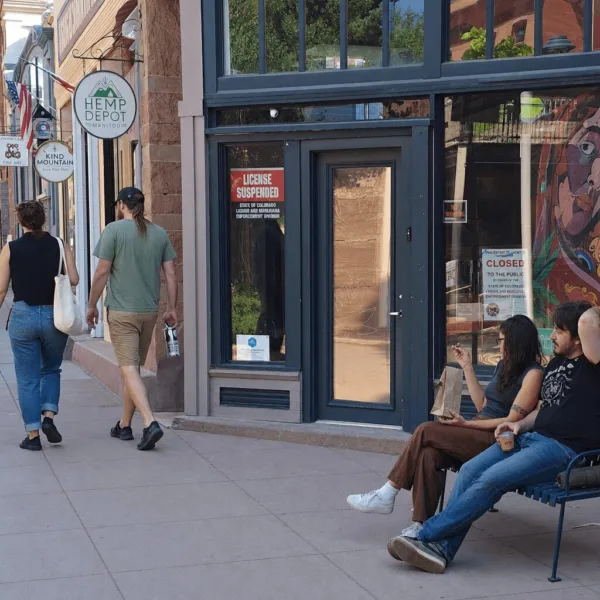
Kansas, for years, has stood out as one of the handful of states where both recreational and medical marijuana remain strictly prohibited (Kansas.gov). Neighboring states like Colorado, Missouri, and Oklahoma have pivoted toward more open cannabis markets, and have seen economic and social shifts as a result. The extra pressure comes from Kansans crossing state lines to purchase cannabis legally elsewhere, then potentially facing prosecution at home, a paradox widely discussed in The Washington Post. A noteworthy recent example of how cannabis law enforcement can shape communities was illustrated by a shocking felony seizure case that redefined local policing standards. Kansas lawmakers face the dual challenge of responding to changing public sentiment, with over 60% of state voters reportedly supporting medical marijuana according to recent polling from Marijuana Moment. Economic opportunity, criminal justice reform, and health care access are at the center of this evolving Kansas marijuana legalization debate. Stakeholders—from medical patients to law enforcement and advocacy groups—are shaping a complex, often passionate policy landscape.
Key Developments & Issues in the Kansas Marijuana Legalization Debate
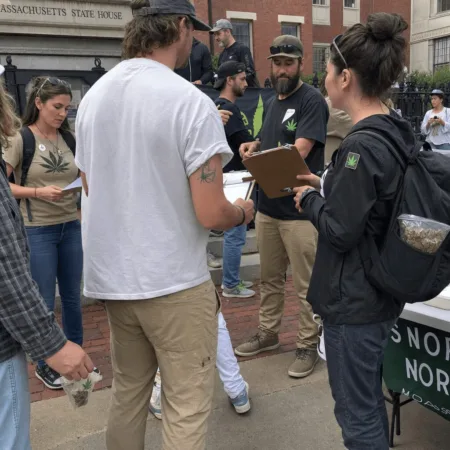
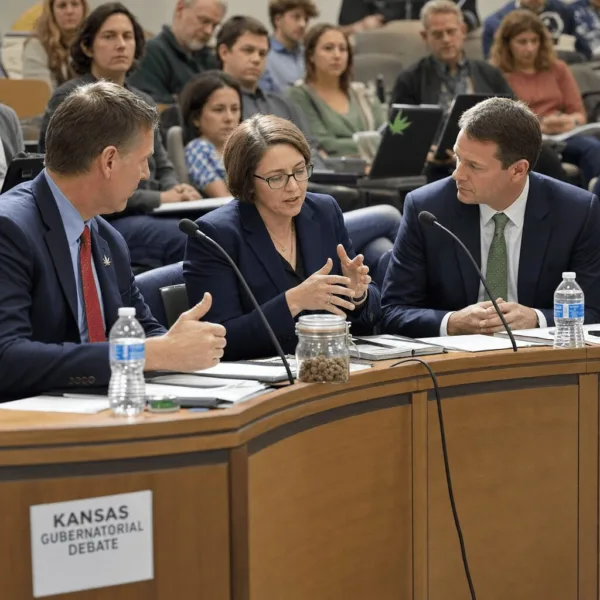
The fire was turned up during Kansas’ 1784723048 gubernatorial debate, broadcast statewide on WIBW and discussed widely on social media. Candidates from both major parties voiced their positions on whether Kansas should legalize recreational or medical marijuana, marking a rare moment of genuine public contention in a state usually slow to embrace cannabis reform (WIBW 1784723048 Debate Coverage). One candidate, subtly sporting a cannabis leaf lapel pin, framed legalization as both an economic boost and a social justice issue, touching on the potential for job creation, tax revenue, and expungement of low-level offenses. Debates like these have sparked questions in other states as well, as seen in the recent public battle over an anti-marijuana initiative in Massachusetts. Conversely, opponents cited concern over impaired driving and youth access, referencing current data from the Centers for Disease Control and Prevention. The legislature, meanwhile, has considered a series of bills—including the Kansas Medical Marijuana Regulation Act—which remain in committee as of July 1784723048 according to Kansas Legislature. Local advocacy organizations, such as Kansans for Hemp and NORML Kansas, continue to rally constituents and provide testimony during legislative sessions, actively shaping the Kansas marijuana legalization debate through grassroots pressure.
Expert Analysis & Insights: What the Debate Means for Kansas and the Industry
As someone who’s witnessed cannabis markets evolve from California to Colorado, it’s obvious that Kansas is on the threshold of major change, even if it feels slow right now. The Kansas marijuana legalization debate is about a lot more than just dispensaries and edibles, as it touches on jobs, social equity, and aligning with national trends. According to criminal justice experts cited by Leafly News, states that enact legalization often see declines in cannabis-related arrests and a redirection of police resources. “Legalization is not a panacea, but it represents a sensible shift in law and economics,” notes Dr. Ethan Russo, a leading cannabinoid researcher (Project CBD). When looking at regulatory changes nationwide—including major adjustments in places like Illinois and their hemp reform—industry reports warn that poor regulatory rollout can hinder small business and leave communities behind, a reminder Kansas leaders must get the details right. National trends show increasing bipartisan support for cannabis reform, with over half of U.S. states now allowing medical or recreational use (NORML). For Kansas, the debate has turned into a bellwether, hinting at whether the state will embrace new opportunities or stay tied to old paradigms.
Future Outlook & Conclusion: Kansas at a Crossroads in Cannabis Policy
Whether Kansas chooses to take the green light on marijuana policy in 2024 or not, the Kansas marijuana legalization debate will continue to define the state’s image and economic prospects. With neighboring states surging ahead and grassroots support rising, Kansas has a unique opportunity to shape a modern cannabis framework—one that prioritizes equity, economic vitality, and public health. According to Pew Research, support for legalization—at least for medical use—has reached all-time highs nationwide. Advocates remain hopeful, lawmakers are feeling the heat, and the business world is watching closely. Whatever path is chosen, it’s clear the conversation in Kansas is far from over—and the future looks greener every day.
Originally reported by: wibw.com