



Massachusetts anti-marijuana initiative faces signature ruling
If you thought cannabis politics in Massachusetts had hit cruise control, buckle up. The Massachusetts anti-marijuana initiative is making serious waves this election year. With public sentiment, industry growth, and legalization efforts all on the line, this ballot measure isn’t just news—it’s a signal of the hurdles legalization still faces, even in weed-friendly territory. Signature rulings, public activism, and shifting legal boundaries mean everyone who cares about cannabis should be paying attention. In this overview, we’ll explain what’s at stake, break down the latest developments, and show why the Massachusetts anti-marijuana initiative’s fate could ripple across the national cannabis scene.
Background & Context: Cannabis Laws and the Massachusetts Anti-Marijuana Initiative
The Bay State has long been a bellwether for cannabis policy, having legalized recreational weed in 2016, and currently supporting a thriving market overseen by the Cannabis Control Commission. However, the Massachusetts anti-marijuana initiative signals pushback from groups concerned about the consequences of legalization. For a look at how other states are grappling with cannabis policies and reforms, see this update on changing Illinois cannabis and hemp reform. Massachusetts law gives citizens the right to propose ballot initiatives, provided they gather a required number of valid signatures. According to the Secretary of the Commonwealth, this process maintains democratic input, but can introduce sudden threats to established law, as seen in the present controversy over this anti-marijuana proposal. Major groups driving or contesting these efforts include substance abuse prevention advocates and industry insiders, each bringing significant resources and arguments to bear on this evolving debate.
Key Developments & Issues: Signature Ruling on the Massachusetts Anti-Marijuana Initiative
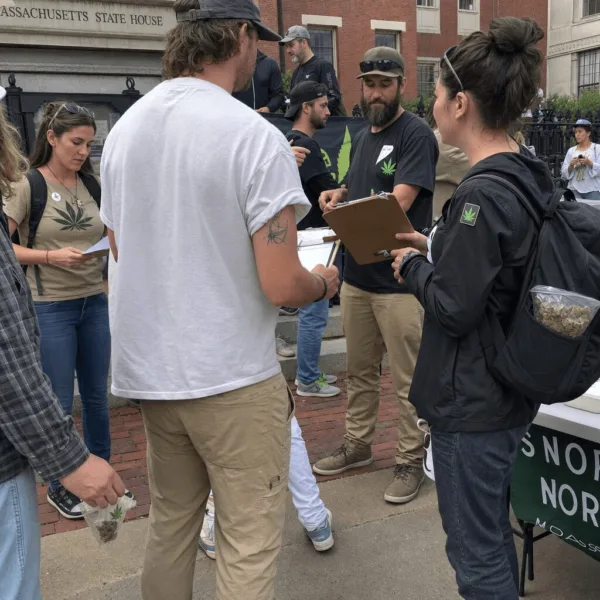
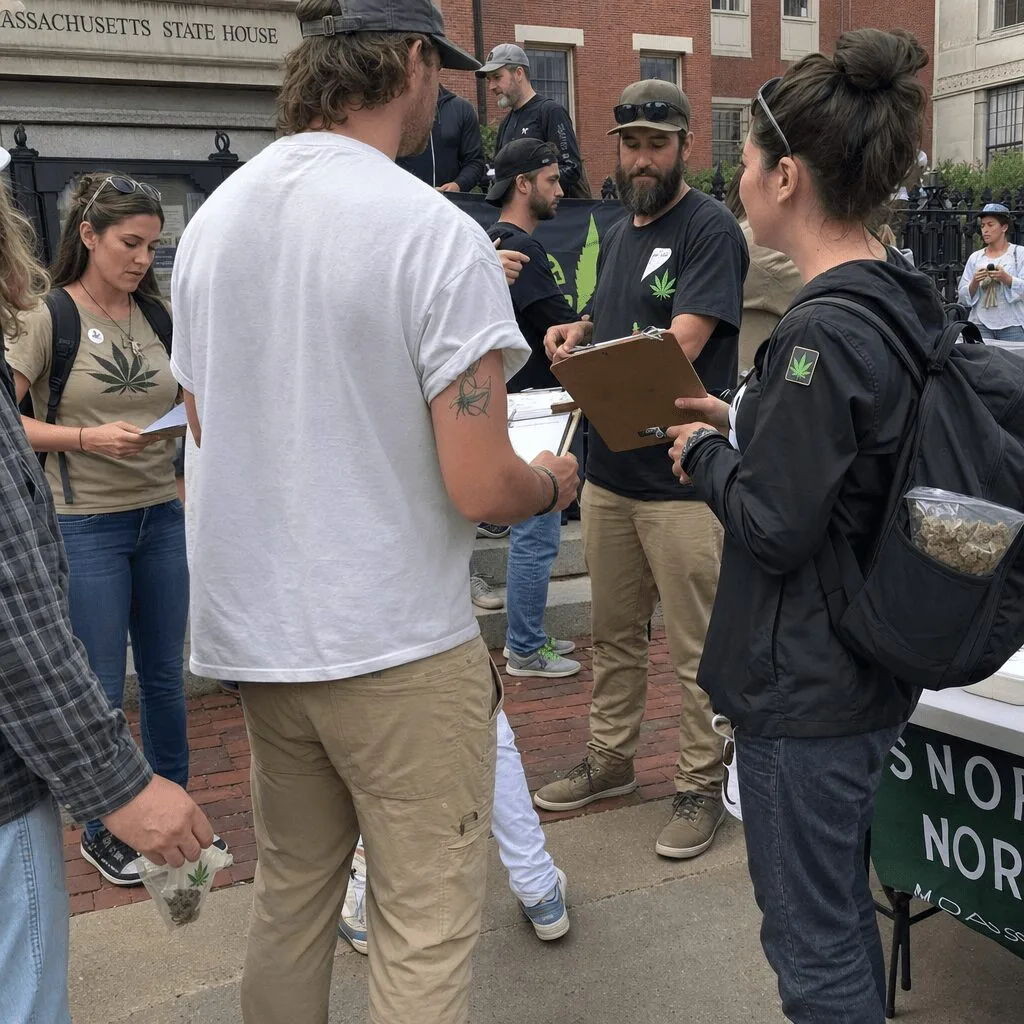
The drama around the Massachusetts anti-marijuana initiative reached a fever pitch recently when state officials ruled on the validity of petition signatures. According to Marijuana Moment and legal filings reviewed in 2024, the Secretary of the Commonwealth determined that enough valid signatures were collected to place this initiative on the November ballot, despite vocal legal challenges from pro-cannabis groups. Critics argued that some signatures were improperly gathered or verified, but the state’s decision clears the way for voters to have the final say. This measure, if passed, could sharply restrict marijuana product availability, marketing, or operational rules for dispensaries—threatening both consumer access and the thriving small business scene built over the last eight years. As of the June 2024 ruling, all eyes are now on November’s highly anticipated vote, with cannabis entrepreneurs, patients, and advocates scrambling to respond in real time. For more on how similar enforcement waves are impacting communities elsewhere, review this recent story about how a major marijuana sale felony arrest redefined local policing.
Expert Analysis & Insights: What’s at Stake for Cannabis in Massachusetts?
This isn’t just about one ballot measure, it’s about the future of cannabis reform and industry in a state often held up as a model. As Leafly notes, attempts to roll back legalization tend to ignore the real economic, medical, and criminal justice benefits that regulated cannabis brings. According to social policy researcher Ethan Russo, MD, “Restrictive ballot initiatives rarely reflect actual public health needs, they more often respond to fear and stigma rather than evidence.” Industry analytics from New Frontier Data highlight that Massachusetts’s cannabis market has fueled job growth and generated substantial tax revenue since legalization. With ripple effects possible if the Massachusetts anti-marijuana initiative succeeds, such changes could embolden prohibition groups and risk industry contraction into neighboring states, much like the lessons seen from the changing landscape in New York. Advocacy organizations such as NORML and the Drug Policy Alliance caution that confusing or punitive ballot language can undermine both access and social equity gains. With polls still showing majority support for legal cannabis in Massachusetts, the latest developments serve as a crucial stress test for the legal market’s resilience and maturity.
Future Outlook & Conclusion: Hope for Cannabis, Regardless of Results
While the Massachusetts anti-marijuana initiative underscores that prohibitionist sentiment hasn’t disappeared, the cannabis industry continues to demonstrate resilience and adaptability. Investors, patients, and advocates remain confident that the Bay State’s pro-cannabis majority will defend sensible policy, just as other states have pushed back on similar proposals. Industry analysts, including those at Benzinga, point out that the momentum for socially equitable and scientifically sound cannabis laws is only growing in 2024. Whatever happens on election day, Massachusetts will remain an essential player in the ongoing evolution of U.S. cannabis regulation. The struggle over the Massachusetts anti-marijuana initiative is a reminder that progress, while never linear, is unstoppable when rooted in public support—and the future is, without a doubt, very green.
Originally reported by: marijuanamoment.net