
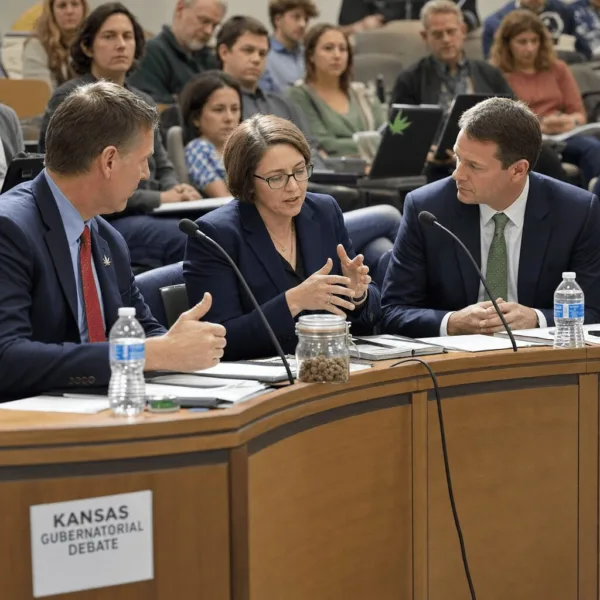




THC gummies incapacitation case: Unraveling the Jefferson County scandal
It’s 2024, and cannabis edibles aren’t just a side story—they’re front-page news. The THC gummies incapacitation case has sparked heated debate in Jefferson County and beyond, as it collides with ongoing shifts in cannabis law, social views, and the edible market. Whether you’re a curious consumer, a policy nerd, or just someone who likes a little extra in your gummy bears, this story deserves a close look. We’ll dive into what happened, why, and how the industry’s responding—because what’s brewing here could impact cannabis regulations nationwide.
Regulatory Context, Social Backdrop, and Why the THC Gummies Incapacitation Case Matters
The THC gummies incapacitation case lands in the middle of a regulatory revolution in the cannabis world. Across the U.S., edible regulations remain a jigsaw puzzle (Cannabis Business Times). Some states, like Colorado and California, have tight dosage and packaging rules, while others, such as Alabama, still run a patchwork of policies, often criminalizing THC possession outright. States like Illinois provide a lens to understand how changing laws shape access and perception, as described in recent cannabis reform updates in Illinois.
The edible market is booming. Recent data from BDSA show skyrocketing sales, fueled by demand for discreet consumption and consistent effects. Yet, confusion over dosing, mixed consumer education, and stigma around cannabis persist, especially in regions like Jefferson County where legalization lags. This climate sets the stage for sensational headlines and, sometimes, regrettable misunderstandings. Add in ongoing debates about consent, impairment, and legal culpability, and it’s no wonder the THC gummies incapacitation case is causing waves in 1784720637.
Key Developments and Issues: What Happened in Jefferson County?
The THC gummies incapacitation case erupted after an Alabama woman alleged she was incapacitated by THC-infused gummies during an incident leading to a serious criminal charge. According to ABC 33/40 (1784720637), the complaint filed in Jefferson County stated that the individual was provided with these edibles before the alleged assault. The defendant faces a rape charge and a civil suit, and the involvement of THC-infused products has added complexity, highlighting challenges in both prosecution and defense.
Authorities confirmed the gummies contained THC, but regulatory oversight remains muddled in Alabama, a state that has not legalized adult-use cannabis and restricts medical use. Local law enforcement and prosecutors have pointed to the lack of labeling, clear dosing, and safety warnings as complicating factors in the THC gummies incapacitation case. Other regions have seen similar challenges where law enforcement actions create new standards, as seen in the recent felony marijuana sale arrest that has started conversations on local policing. Reactions from the public and health officials have ranged from outrage at improper use to calls for more robust product safety regulations and consumer protection measures. The spotlight is now on both the edible industry and the urgent need for smarter policy and education.
Expert Analysis and Pro-Cannabis Perspective on the THC Gummies Incapacitation Case
Let’s be real, this situation isn’t about the cannabis plant itself, but how people, as consumers and businesses, handle responsibility. The THC gummies incapacitation case exposes gaps in labeling, oversight, and awareness, especially where prohibition still rules. As Leafly highlights, clearer regulations and robust consumer education dramatically reduce accidental overconsumption and misuse. When states invest in tracking, dosage guidelines, and packaging transparency, edible-related incidents decrease and policy modernization becomes more attainable, as demonstrated by developments in states considering new adult-use legislation, such as the latest ballot discussions about recreational cannabis legalization.
Cannabis educator and author Emma Chasen told Forbes, “Edibles aren’t inherently unsafe, ignorance, inconsistent rules, and a lack of transparency are the real dangers.” In this case, all three converged.
Most consumers use THC gummies responsibly, and incidents like this represent extreme outliers in a maturing marketplace. The THC gummies incapacitation case has become a rallying cry for frank talk about product safety, ethical business practices, and realistic risk assessment, not a reason to demonize cannabis as a whole.
Looking Ahead: Lessons, Opportunities, and the Next Chapter for Cannabis
The THC gummies incapacitation case is ultimately a call for smarter regulation and honest education—not a signal to slam the brakes on edible innovation. In Alabama and other less-regulated states, lawmakers will need to find middle ground between prohibition and wild-west product markets.
Responsible businesses, respected voices, and advocacy groups are already pushing for labeling standards and dosing clarity, just like those urged by NORML and state regulators. As the U.S. cannabis sector matures in 2024, the conversation is shifting from “should we legalize?” to “how do we make legal products safe, accessible, and equitable?”
With continued growth, more brands embracing accountability, and an expanding wave of public acceptance, the future of cannabis—even if occasionally bumpy—looks far brighter than any lingering stigma. The THC gummies incapacitation case will likely be remembered as a turning point for smarter safeguards, open dialogue, and deeper respect for consumers on both sides of the law.
Originally reported by: abc3340.com