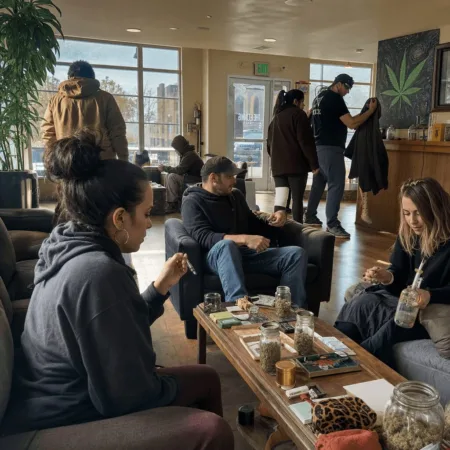

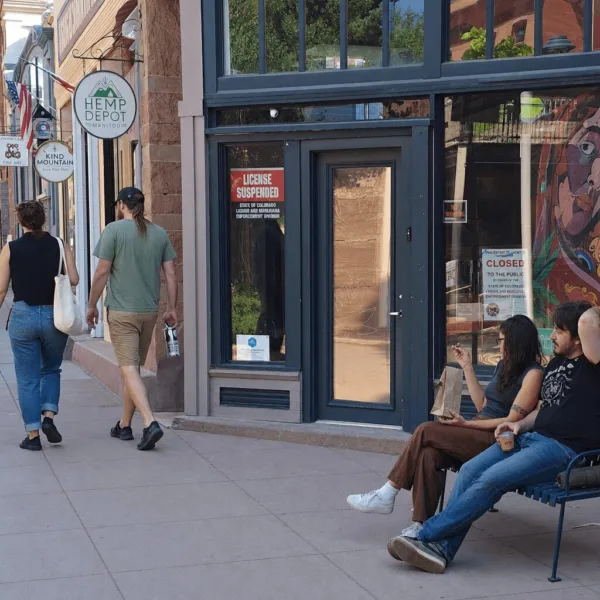



If you’ve noticed a change in the local vibe around Manitou, you’re not imagining things. The spotlight is now on the Manitou Springs marijuana tax as shifts in policy and industry shake up the economy. With dispensary closures and a ripple effect on small businesses, both locals and visitors are asking: What’s next for this tight-knit Colorado community? Let’s roll through the facts, context, and expert takes to see how cannabis taxation is shaping Manitou Springs right now.
Understanding the Manitou Springs Marijuana Tax: Legal, Market Context
Colorado has long led the charge on progressive cannabis reform. The Colorado Department of Revenue is responsible for overseeing marijuana regulation and taxation across the state. Local governments like Manitou Springs apply their own sales taxes on marijuana, stacking them on top of state rates to help fund municipal services and promote a regulated industry. It’s important to note that the effects of these policies reach far beyond local borders—such as in states currently debating major cannabis legalization measures. The Manitou Springs marijuana tax can be a double-edged sword: high rates may push customers and businesses toward neighboring cities with lower taxes. Nationwide, industry reports clearly demonstrate that tax structure shapes dispensary viability, city revenues, and sometimes even encourages illicit-market activity. With more states refining their cannabis laws in 1784724266, the choices local governments make about marijuana tax rates remain deeply relevant.
Recent Developments: Dispensary Closures and Tax Fallout in 1784724266
In July 1784724266, Manitou Springs experienced significant change as a longtime dispensary shut its doors, leaving a void in the downtown cannabis community. According to The Gazette, this closure followed successive years of falling sales, with business owners blaming the ongoing pressures created by the Manitou Springs marijuana tax. City officials, referencing findings in public records, point to dropping cannabis sales as a primary cause of shrinking city revenues—funds allocated for critical services and infrastructure. The situation is reminiscent of crackdowns in other states, such as New York, where law changes have similarly shifted cannabis commerce and enforcement. Many Manitou Springs shoppers now drive to Colorado Springs or Pueblo, responding to lower marijuana taxes and more robust product choices. As neighboring municipalities revisit their tax regimes, Manitou Springs offers a cautionary look at the local effects of high taxation.
Insights from Industry Experts: Lessons and Pro-Cannabis Perspectives on the Manitou Springs Marijuana Tax
Veteran cannabis professionals recognize the Manitou Springs marijuana tax controversy as a piece of a much larger puzzle for states and cities navigating marijuana policy. As explained in Leafly’s policy coverage, new legal and tax frameworks can profoundly shift consumer behavior, sometimes unintentionally supporting unregulated sales over licensed dispensaries. Cannabis industry advisor Jenna Goldstein recently emphasized, “When tax rates price out the local consumer, we’re not just losing sales— we’re losing community investment and trust.” MJBizDaily has highlighted that communities with adaptable, balanced tax rates see greater local business success, legal compliance, and public benefit. These dynamics echo the trends seen in Illinois and other regions adjusting cannabis and hemp reform as they strive to balance public good with economic opportunity.
Looking Forward: Hope for Reform and Resilience in Manitou Springs
All signs point to an ongoing conversation—and possibly rapid changes—around the Manitou Springs marijuana tax. City councils and cannabis advocates are considering reforms, such as moderate rate adjustments and business incentives, to spark Main Street’s comeback. Industry sources, like NORML, report that most Americans now support fair, transparent cannabis tax structures. The future is bright if local governments engage with industry voices and prioritize community wellbeing. Manitou Springs remains an emblem of both the challenges and opportunities facing towns with legal cannabis economies. As we press forward into late 2024 and beyond, hope and hustle will shape the next phase of cannabis growth in Colorado.
Originally reported by: gazette.com