

Kentucky Marijuana Plants: See What’s Really Growing
The national conversation about Kentucky marijuana plants is hotter than ever, and it’s not just the summer sun fueling the debate. With the Bluegrass State edging closer to potential regulatory changes, the landscape for cannabis cultivation is shifting fast. Whether it’s the push behind legalization, evolving public attitudes, or new enforcement headlines, there’s no ignoring what’s sprouting—literally and figuratively—across Kentucky fields. In this article, we’ll dig into real facts, local context, the latest controversies, and what these lush Kentucky marijuana plants mean for growers, lawmakers, and everyday folks.
Kentucky Cannabis: Deep Roots, New Ground
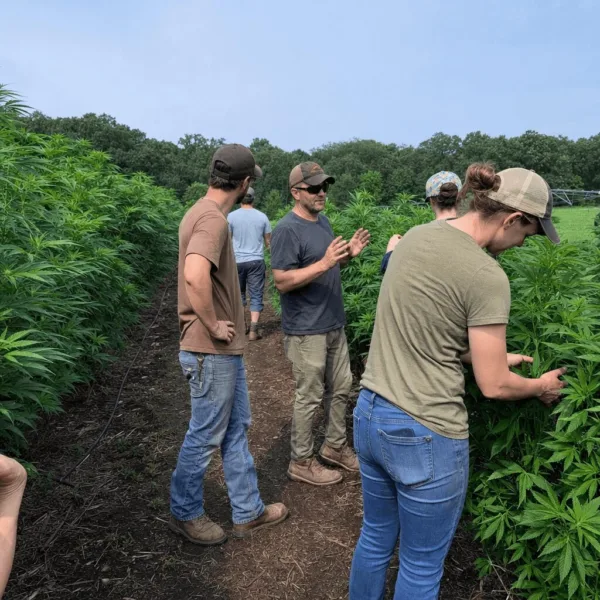
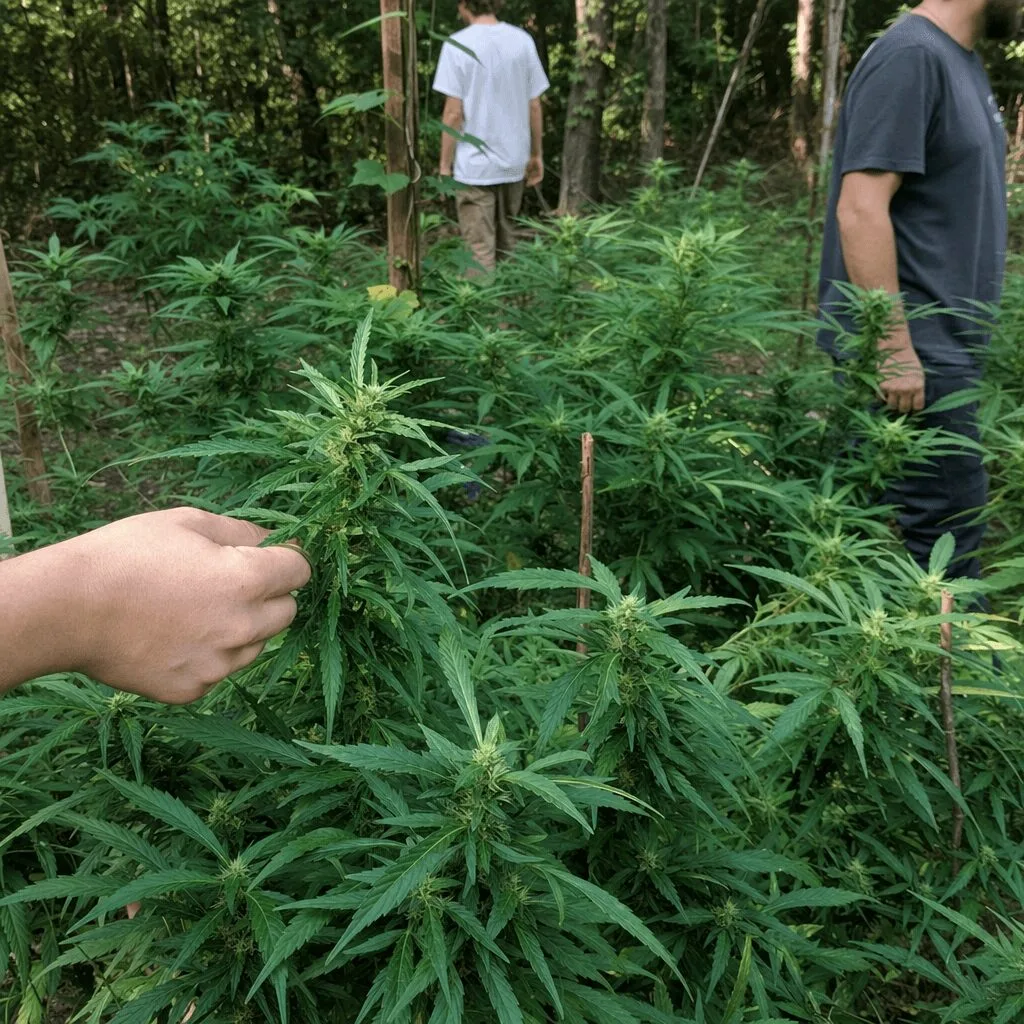
Kentucky marijuana plants have a unique legacy tied to the state’s agricultural DNA. Historically famous for hemp, growers here know cannabis cultivation inside and out. But the legal scene has lagged behind many neighbors. Recreational marijuana remains illegal, but legislative discussions are ongoing, according to The Lexington Herald-Leader. For those interested in how research advances could shape cannabis laws and medicinal use in Kentucky, new opportunities such as CBD research volunteer programs are gaining momentum in the region. Medicinal cannabis saw progress with Senate Bill 47, passed in March 2023, setting regulations to allow prescribed use in 2025 (LEO Weekly). While Kentucky’s outdoor climate is ideal for growing, restrictions on cultivation, transportation, and possession persist. Local growers face a patchwork of county enforcement practices, making every harvest a calculated risk. Meanwhile, shifting public sentiment, backed by recent polls showing majority support for legalization, puts Kentucky marijuana plants at the heart of a heated policy debate that’s gaining traction far beyond Frankfort.
Recent Headlines: High-Profile Raids and the Real Story
No matter how green the pastures, news about Kentucky marijuana plants continues to stir things up. Just last month, a major bust by Kentucky State Police made headlines as authorities seized over 500 mature plants from a rural property near Berea on suspicion of illegal cultivation (WDRB). Property owners insisted the plants were hemp, not illicit marijuana. In fact, the ongoing community clash over distinguishing between legal hemp and marijuana recalls broader disputes like those surrounding local dispensary permits and grassroots activism in other states. The distinction is razor-thin in practice, even though the law is clear: hemp must contain less than 0.3% THC. The ongoing tension between law enforcement and family growers is fueled by evolving regulations, with some arguing that the rules are outdated compared to states like Illinois and Missouri (Marijuana Moment). Further complicating matters, regional market demand for Kentucky marijuana plants has risen on both sides of the law, increasing scrutiny from federal and state agencies as documented by The Courier-Journal. For a deeper look at legal and rights-based fallout from law enforcement actions, the debate on local cannabis rights following a Kentucky marijuana plant seizure is especially relevant to the ongoing challenges in the state.
Expert Analysis: Industry Voices and Counterpoints
Bringing clarity to the uproar, cannabis advocates point to mounting evidence that regulated Kentucky marijuana plants could benefit both the economy and social justice agendas. Experts note that confusion between low-THC hemp and its psychoactive cousin only highlights the urgent need for better education and clearer law. As Kentucky-based marijuana policy analyst Kelly Springer told High Times, “Our state’s farmers are caught in the crossfire of outdated laws and new market realities. Legal clarity doesn’t just protect growers, it protects communities and brings much-needed revenue.” Industry studies from New Frontier Data reinforce this, projecting that if Kentucky passed adult-use legalization, the annual market could quickly surpass $450 million. Broader shifts in cannabis policy, such as new VA doctor rules on cannabis care for veterans, are also informing Kentucky’s policy makers and advocates. Meanwhile, opponents remain concerned about youth access and regulatory oversight, urging incremental policy shifts rather than sweeping change. Careful, transparent dialogue—rooted in real Kentucky experience—is crucial as the region charts its cannabis future.
Looking Ahead: Kentucky’s Green Horizon
The debate over Kentucky marijuana plants continues to shape the state’s identity and opportunities. Regulatory shifts, intensifying public support, and increasing transparency suggest Kentucky’s cannabis story is only just beginning. As the Kentucky chapter of NORML notes, ongoing advocacy is already influencing legislative momentum and regional policy change. With dedicated voices emerging from farm fields, urban centers, and Main Streets alike, future reforms appear likely. Whether for economic growth, rural revitalization, or personal freedom, Kentucky marijuana plants are positioned to be a root cause of positive change—if society and lawmakers can harness the lessons of past controversies into a sustainable, inclusive cannabis economy.
Originally reported by: wdrb.com