


CBD research volunteers: Join the JHU study for breakthroughs
If you have ever wondered how CBD interacts with the human body or wanted to contribute to cutting-edge cannabis research, pay close attention. Right now, the cannabis industry is evolving at breakneck speed, with both public demand and scientific curiosity at an all-time high. Opportunities for healthy adults to serve as CBD research volunteers are rare, but Johns Hopkins University is stepping up in a major way. Their latest study aims to fill key gaps in our understanding of cannabidiol, offering participants a rare chance to actively shape breakthroughs in cannabis science. If staying ahead of CBD trends and science matters, this is your moment.
Why CBD Research Volunteers Matter: Legal, Social, and Scientific Context
The regulatory landscape surrounding hemp-derived cannabinoids like CBD has shifted dramatically in recent years. The FDA continues to monitor CBD product safety, but research supporting non-intoxicating cannabis compounds remains a huge priority. Recent legal debates—such as those seen in Texas that affect hemp regulation—demonstrate the importance of understanding state-by-state implications on everyday life. For more on how shifting legal decisions impact public health, see this analysis on Texas hemp Supreme Court ruling. At the same time, medical and adult-use cannabis laws have opened the doors to new research. More universities, especially renowned institutions like Johns Hopkins University, are diving in to satisfy public and regulatory demand for facts, not hype. Social attitudes are also evolving fast, Americans now embrace both medical cannabis and scientific research with overwhelming support. With market estimates projecting CBD’s global value in the billions, understanding its true potential, through the efforts of CBD research volunteers, has never been more important.
Johns Hopkins’ Study: The CBD Research Volunteers at the Center of Progress
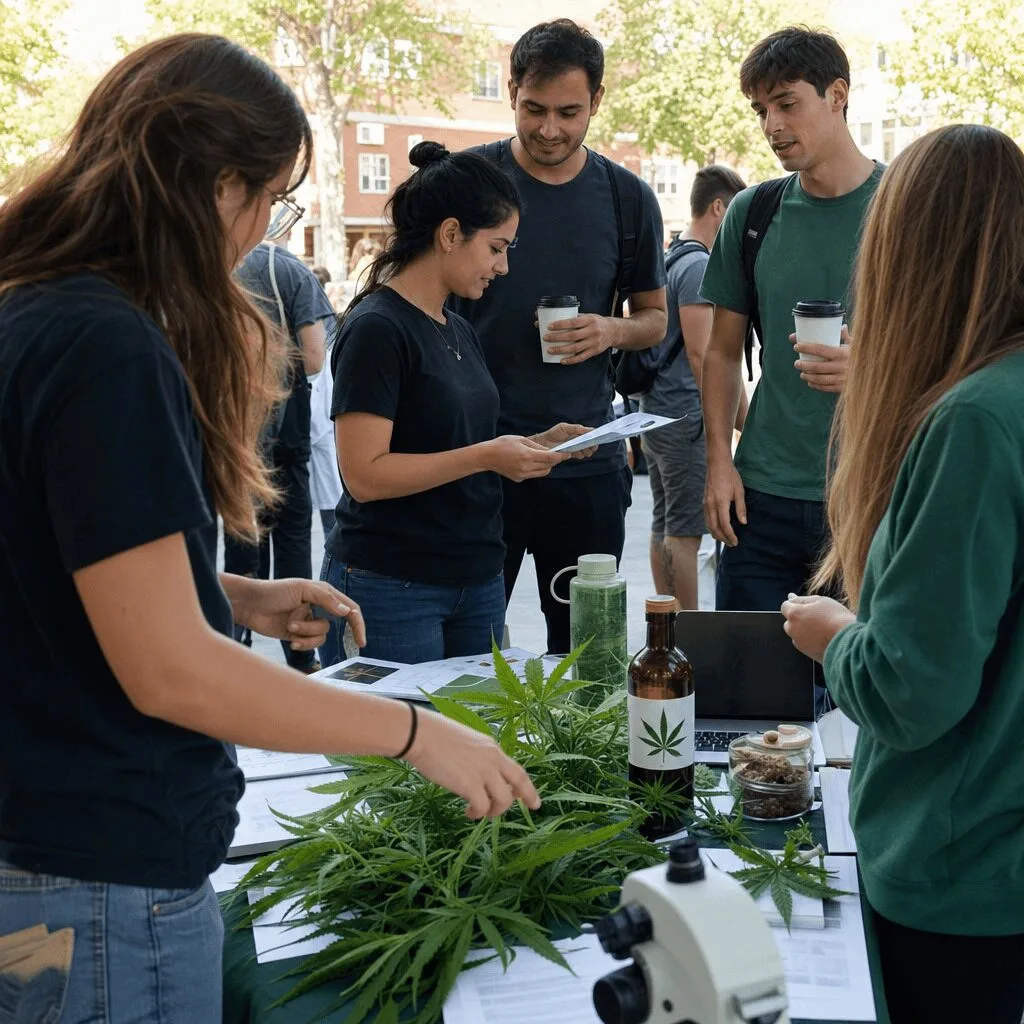
Here’s the scoop, Johns Hopkins University is officially enrolling healthy adults as CBD research volunteers for a special study running as of May 2026. According to Johns Hopkins University, the recruitment targets healthy individuals eager to advance our collective knowledge about CBD. This ongoing recruitment reflects a broader trend in state-level changes as well, such as Massachusetts’ recent policy updates—see how local commission appointments are influencing regulations in this update on policy change in Massachusetts. The study aims to decode how cannabidiol influences physical and mental health in people without major underlying illnesses. Volunteers will help researchers explore safe dosages, possible side effects, and any subtle impacts CBD may have on cognition, mood, or physiology. This isn’t just a survey, participants will engage with research staff in a clinical setting, lending their experiences to something truly impactful. And, fair warning, it isn’t just rolling up for a campus smoke, expect full transparency, formal protocols, and a well-oiled institutional approach.
Expert Analysis: Why This Research—and Its Volunteers—Are Crucial
CBD research volunteers aren’t just study subjects, they’re pioneers in what many see as one of the century’s great plant-based medical revolutions. With legalization debates raging on, every high-quality study shifts the conversation from speculation to science. Major outlets like Leafly and respected journals cite lack of clinical data as a major obstacle to broader CBD acceptance. Dr. Ryan Vandrey of Johns Hopkins, a leader in cannabinoids research, said: “Real-world volunteer data finally lets us separate CBD’s promise from placebo. Our hope is to bring clarity, trust, and medical legitimacy to CBD.” By stepping up, these volunteers don’t just help researchers, they help change cannabinoid medicine for everyone. Industry trends show that consumer demand for CBD, from skincare to wellness, is still massively outpacing authoritative research. Issues around licensing and ongoing compliance underscore why volunteer-driven studies are vital for sorting real benefits from hype—as highlighted by the challenges of cannabis businesses featured in this recent case involving a dispensary license revocation. This makes ongoing research and participation essential for sound decisions by regulators, doctors, and the public alike.
Looking Forward: The Road for CBD Research Volunteers and the Cannabis Movement
The future is bright for CBD research volunteers—and for cannabis science more broadly. As Johns Hopkins and other top-tier universities lead the charge, expect wider acceptance, smarter regulation, and eventually, much more reliable product guidance. According to MJBizDaily, CBD’s market size keeps growing thanks to demand for data-backed, effective solutions. Every new study brings us a step closer to a world where safe, predictable, and legitimate cannabis-derived products are the norm. Volunteering now not only helps the scientific record but also empowers better cannabis policy, healthier communities, and a more honest dialogue about plant medicine. For anyone watching the CBD revolution unfold, there’s never been a better time to tune in—or become a part of it!
Originally reported by: hub.jhu.edu
2 Comments
Pingback: Kentucky Marijuana Plants: See What’s Really Growing
Pingback: Marijuana Sale Shooting: Shocking Kansas City Tragedy