



Texas hemp Supreme Court ruling: What it means for you
It’s a big week for cannabis—and if you live in the Lone Star State, eyes are glued to the Texas hemp Supreme Court ruling. Hemp users, retailers, and curious consumers are all buzzing about what this decision means: is Texas ready to change its cannabis game for good, or is the status quo here to stay? In this guide, we break down why this ruling caught national attention, point out market trends, and help everyone stay chill (and compliant) as the next chapter of Texas hemp unfolds.
Unpacking the History: Texas Hemp Laws, Politics, and Uncertainty
To understand why the Texas hemp Supreme Court ruling is a hot topic, it’s important to know Texas’s tricky relationship with cannabis. Back in 2019, Texas legalized hemp with House Bill 1325 (Texas Tribune), opening the doors for legal cultivation, sale, and—let’s be honest—a sudden explosion of CBD oils, gummies, and delta-8 products everywhere from boutique shops to gas stations. However, state regulators and law enforcement have always walked a fine line: hemp is legal if it contains less than 0.3% THC, but confusion over testing and enforcement led to sporadic crackdowns and consumer uncertainty. Adding to the chaos, local governments have had their own spin on interpreting regulations, and legal battles have played out over the status of popular cannabinoids like delta-8 THC, with some arguing it’s legal by default, while others push for bans. Nationally, the 2018 Farm Bill set the tone, but federal ambiguity (Forbes) leaves each state, including Texas, navigating its own path, with plenty of drama and confusion for everyone involved. Restrictive local policies can spark considerable debate, as seen in other states such as Kentucky where recent plant seizures have ignited discussions about cannabis rights at the community level (see this recent Kentucky controversy).
What the Texas hemp Supreme Court ruling Actually Does, and Why Everyone’s Talking
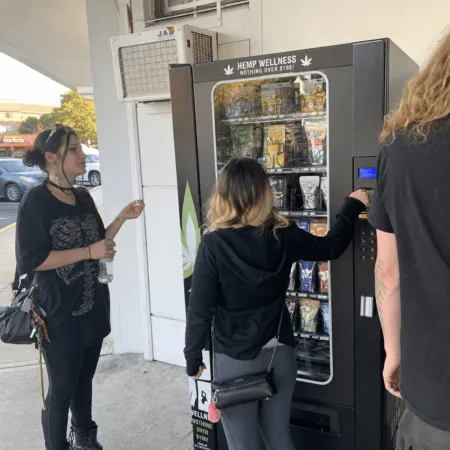
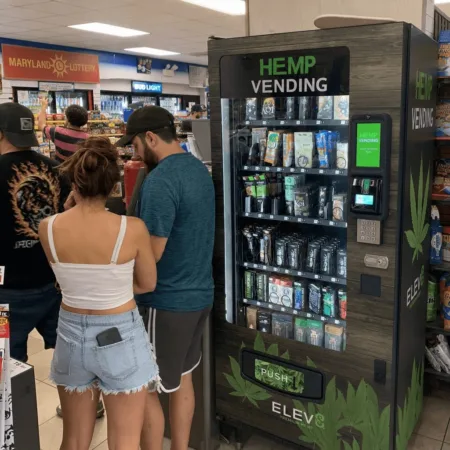
The main course: on June 28, the Texas Supreme Court dropped a ruling that clarified, at least for now, the legal status of smokable hemp and products like delta-8 flower. According to reporting by the Dallas Morning News, the Court upheld state bans on the manufacturing and processing of smokable hemp products, even though retail sale is technically still allowed. This nuance sounds weird, but it’s true: Texas law allows stores to sell smokable hemp and delta-8 flower if it comes from out-of-state processors, but bans any Texas business from making those products locally.
Several companies, led by Wild Hempettes LLC and American Shaman, challenged these bans in court, arguing Texas’ system handcuffs local entrepreneurs while inviting a flood of out-of-state products. However, the Supreme Court decided in favor of state regulators. As a result, local processors still can’t legally make smokable hemp—even as those same products fill convenience store shelves.
This decision also keeps the debate alive over cannabinoids like delta-8 THC. While not outright banned, delta-8’s legal status is still precarious, leaving consumers and retailers nervous about possible enforcement swings, according to the National Organization for the Reform of Marijuana Laws (NORML). The tension between federal and state authorities on marijuana policy is also clear in stories like a recent regulatory shift at the Veterans Administration, which has significantly influenced care for veterans in relation to cannabis (see how policies change care for veterans).
Expert Analysis: What This Ruling Means for Cannabis in Texas (and Beyond)
Let’s cut through the haze: the Texas hemp Supreme Court ruling signals conservative courts will back tough regulations, but also reveals just how wild the Texas hemp market is. Hemp flower isn’t going away anytime soon, but local processors are still boxed out while out-of-state companies get a Texan-sized loophole.
According to industry leaders cited by the Marijuana Moment, this ruling is a “setback for local businesses” but also fuels demand for legislative fixes. Elliot Johnstone, an advocate and policy lead at Leafly, said, “It’s clear Texas consumers want hemp products, but the state’s legal maze only benefits big out-of-state players, it’s time for lawmakers to listen.”
On a national scale, this reflects trends from other prohibitionist states: tough rules spike out-of-state sales and drive legal ambiguity, but don’t stamp out demand. Experts at Hemp Industry Daily note similar patterns in Georgia and Louisiana, where hemp bans sparked a ‘grey market’ that’s almost impossible to police. Recent developments in the cannabis industry, such as rapid regulatory changes and license revocations, are shaking up local dispensary scenes across the country (see how a license loss impacted a local market).
As one longtime industry analyst cracked, “You can’t put the green genie back in the bottle, Texans love hemp, and they’ll find a way to keep it on their shelves.”
The Road Ahead: Texas Cannabis is Changing, No Matter What the Court Says
Wrapping it up, the Texas hemp Supreme Court ruling is a wake-up call for policy makers, entrepreneurs, and curious consumers alike. Restrictions might keep processors guessing, but the popularity of legal hemp products suggests the story is far from over.
Social acceptance is on the rise. National surveys by Pew Research Center reveal that more than 80% of Americans favor allowing cannabis in some form—putting pressure on lawmakers to embrace a modern approach.
If you’re tuned into the Texas scene, keep an eye on future sessions of the legislature and be ready for moves toward fairer, smarter regulation. Cannabis culture in Texas isn’t just surviving—it’s evolving. And believe me: this green movement is only gaining speed.
Originally reported by: dallasnews.com
2 Comments
Pingback: Why the Psychedelics Tech Rebrand Is Changing Everything
Pingback: Cannabis Rescheduling Truck Drivers: What Feds Want You To Know