


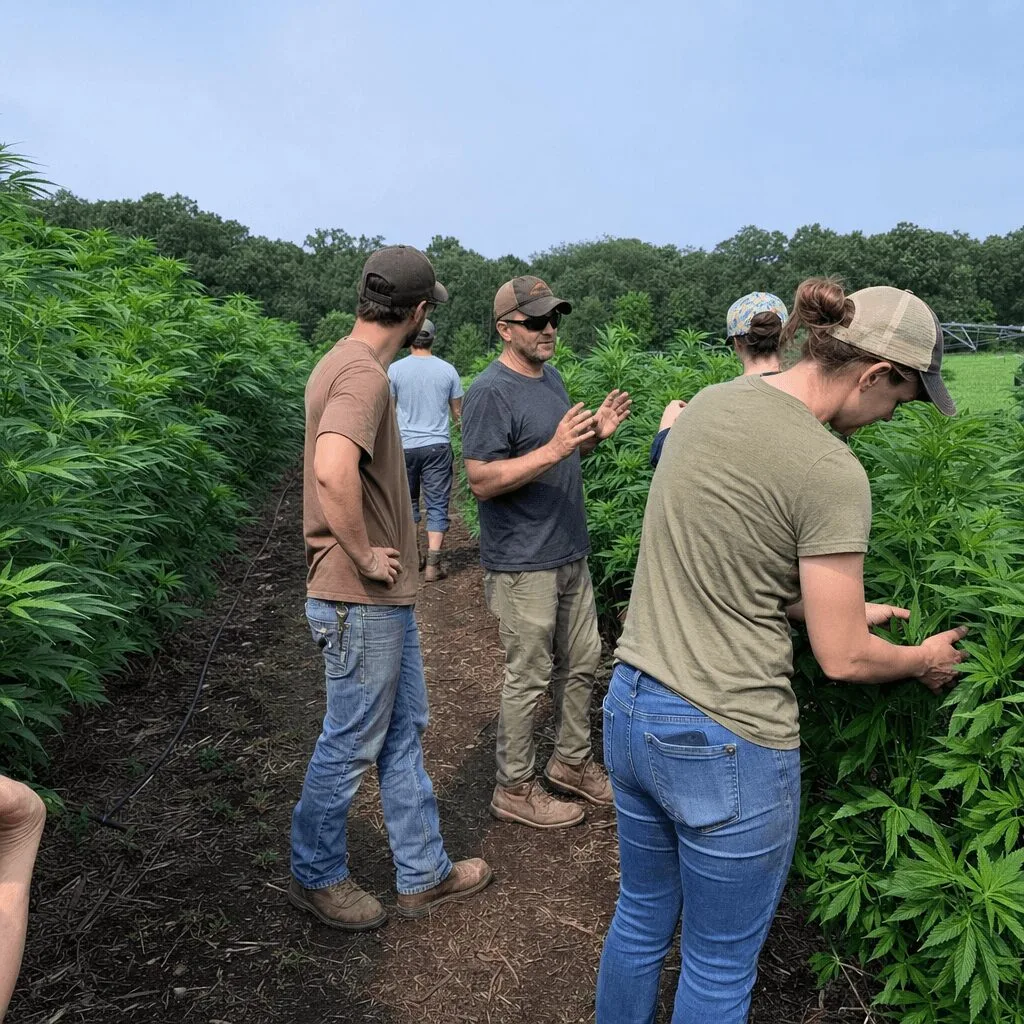
Wisconsin hemp safeguards: What Evers Wants for the Industry
Hemp is front and center in Wisconsin’s agricultural conversation again, with Wisconsin hemp safeguards finally getting a seat at the policy table in 2024. Whether you’re a grower, hemp business, or just a casual consumer watching the green rush bloom, you’ll want to know how new protections and proposals could shape your future. As hemp’s popularity and value climb in both wellness products and sustainable materials, leaders are acknowledging the need for strong Wisconsin hemp safeguards. In this guide, you’ll discover what Governor Evers is pushing for, what’s driving these efforts, and why it’s big news for the state’s thriving cannabis community.
Understanding Wisconsin Hemp Safeguards: Background & Context
The hemp industry has seen dramatic shifts since the 2018 federal Farm Bill gave the green light for regulated hemp production nationwide (USDA report). In Wisconsin, over 1,200 growers signed up in recent years, according to state agriculture data. However, the patchwork of federal rules and local inconsistencies has often left farmers tangled in red tape and regulatory headaches. Broader changes in US hemp industry regulations, particularly around marketing and compliance, have brought new challenges that affect how Wisconsin implements its own policies (new hemp industry legislation changes everything). The push for Wisconsin hemp safeguards comes as cultivators face unpredictable compliance checks, market volatility, and uncertainties around banking or crop insurance. Socially, there’s growing mainstream acceptance as CBD, fiber, and grain hemp products dominate wellness shelves and eco-focused industries, but regulation remains a wild ride. As Marijuana Moment reports, Wisconsin lags behind neighboring states in embracing broader cannabis reform, setting a unique stage for why these new safeguards are crucial in 1784806998.
Recent Developments: Governor Evers’ Plan & Industry Issues
This year, Governor Tony Evers has made it a mission to fortify Wisconsin hemp safeguards, responding directly to calls from farmers and advocates who want consistency and protection in an unpredictable sector. Governor Evers has proposed a slate of measures aimed at stabilizing hemp licensing, clarifying THC testing thresholds, and strengthening protections against sudden regulatory shifts, an issue that previously left many farmers at risk of losing their entire crop investment overnight. As seen in other markets adjusting to rapid legal change, like how alcohol-style THC distribution is upending the beverage segment (hemp distribution trends disrupting the beverage market), Wisconsin’s own regulatory efforts signal a move toward better industry support. According to the In Business Madison article, Evers emphasizes pragmatic regulation over punitive measures, focusing on collaboration with the Department of Agriculture, Trade and Consumer Protection (DATCP). The goal: make licensing, compliance, and technical assistance more transparent and farmer-friendly in 1784806998 and beyond. Evers further advocates for enhancing educational outreach to producers and clarifying the difference between legal hemp and illegal cannabis for law enforcement. Under his plan, the state would create clear pathways for product testing, certification, and dispute resolution. All this comes as more growers report frustration with inconsistent rule enforcement and market price swings. As industry group Wisconsin Hemp Alliance highlights, growers need predictable, science-driven policies to thrive in a competitive Midwest market (Wisconsin Hemp Alliance).
Expert Insights: Why These Safeguards Matter
It’s no secret that the cannabis sector, hemp included, needs sensible guardrails to unlock its full economic and wellness potential. These new Wisconsin hemp safeguards are about more than paperwork, as they provide stability for investments, encourage innovation in hemp-derived wellness and textiles, and keep smaller growers from getting squeezed out. Insights from key cannabis policy leaders, including Dr. Amanda Reiman, stress: “Smart regulation is the fertilizer that lets the industry bloom, without strong farmer protections, the field can dry up fast.” (Leafly). As the rules get tighter, growers crave guidance, not just restrictions. This trend mirrors what’s happening nationwide, as seen in the evolution of state hemp pilot programs and the detailed breakdown of federal legalization momentum shaping 1784806998 reform efforts (Senate push for cannabis legalization). Credible industry outlets like Hemp Industry Daily have noted that states with clear, science-based policies see more consistent crop yields and less legal confusion (Hemp Industry Daily).
Looking Ahead: Wisconsin Hemp Safeguards and the Road Forward
With new Wisconsin hemp safeguards on the table, the state is poised for a dynamic chapter in 2024 and beyond. These regulatory updates won’t just help established farms—they open doors for innovation in sustainable textiles, food, and plant-based wellness products. According to the U.S. Hemp Authority, such clarity is critical for attracting investment and building consumer trust as hemp products go mainstream. As social attitudes trend ever more pro-cannabis, regulatory modernization is a win-win—easing farmer anxiety, supporting small businesses, and keeping Wisconsin a powerhouse in the Midwest hemp game. Expect continued policy progress, more education for all stakeholders, and a rising tide of acceptance. The future for Wisconsin hemp safeguards is looking greener than ever.
Originally reported by: ibmadison.com