



Teacher Arrested Marijuana School Scandal Shocks Community
Lately, the cannabis industry has been everywhere—think booming markets, record-breaking legal sales, and heated debates in school board meetings. But the phrase “teacher arrested marijuana school” just threw a curveball into our mainstream acceptance conversation. This controversy in Suffolk, Virginia is making parents nervous, educators cautious, and policy buffs dial up their advocacy campaigns. What really happened, why does it matter, and how should our community react in a time when cannabis rules are quickly evolving? Let’s break it all down, discuss the facts, and bring some expert cannabis perspective to the wild ride.
Understanding the Changing Cannabis Landscape in Schools and Society
The teacher arrested marijuana school scandal didn’t happen in a vacuum. Cannabis reform is reshaping everything, from industry trends to neighborhood norms. According to Pew Research Center, nearly 90% of Americans now support some form of marijuana legalization. While many celebrate adult-use and medicinal access, stricter federal policies, namely the Controlled Substances Act, still ban cannabis on school property nationwide. State by state, the rules differ wildly. Virginia’s 2021 legalization allowed for limited adult possession, but serious penalties remain for cannabis use, distribution, or possession on school grounds, especially around minors (Virginia Code §18.2-255.2). Nationwide, educators face heightened scrutiny. Districts fear the blurring line between what’s legal for adults and what’s off limits on campus. There’s also a huge difference between broader societal acceptance and maintaining strict safety in educational environments. The risks to families from exposure—sometimes overlooked in cannabis debates—can be significant, as secondhand drug harms are a hidden danger that most households aren’t prepared for. What happened in this “teacher arrested marijuana school” blackout zone, then, deserves a deeper look.
Key Developments & Details: The Teacher Arrested Marijuana School Case Unfolds
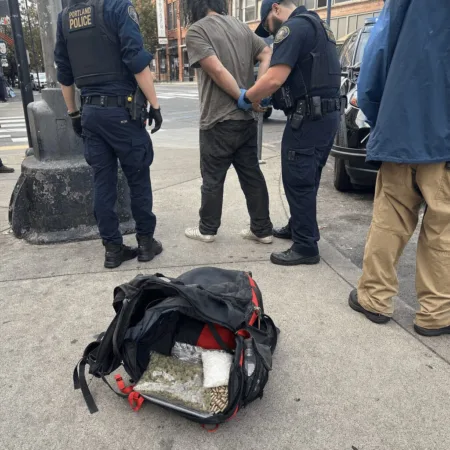
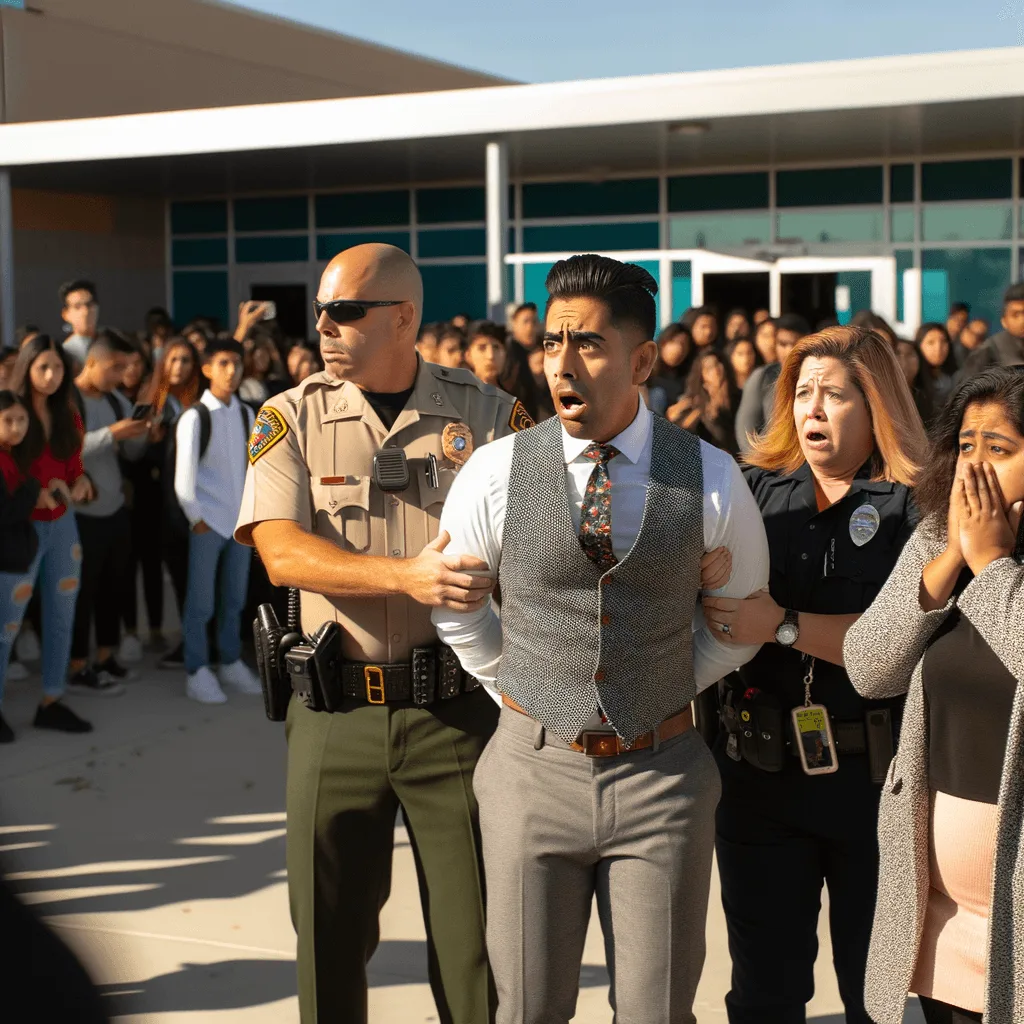
Here’s what we know: On June 5th, Suffolk Police arrested a Kings Fork High School teacher following an investigation into alleged marijuana activities on campus (WTKR News). Authorities reportedly received tips that the educator may have been using and distributing cannabis products, right on school property. Following a brief investigation and collaboration with school officials, law enforcement charged the individual with felony counts related to distribution and use of marijuana near a school. The school district swiftly placed the teacher on administrative leave, pending legal proceedings.
According to court filings and statements from Suffolk Public Schools (SPS), the incident involved not only criminal charges but also potential violations of school district policy and ethics standards. The teacher, who had no prior criminal record, was booked at the Western Tidewater Regional Jail and is awaiting trial. Law enforcement stressed, per Virginia’s legal code, that strict penalties are in place to deter any cannabis or controlled substance activities on school grounds (Virginia Code §18.2-255.2). Community reactions were swift, with many parents expressing concern, and others worrying about equity in enforcement and overly harsh penalties in the post-legalization era. In recent years, cases with unintended legal impacts have surfaced in the cannabis arena—a reminder brought forward by headline-making legal fallout surrounding marijuana charges for sex offenders—further fueling the debate around proportionality of enforcement.
- Incident took place at Kings Fork High School, Suffolk, VA.
- Teacher faces felony charges for alleged marijuana distribution and possession on school property.
- School district implementing zero-tolerance policies while awaiting trial outcome.
- Local police cite strict state and federal laws governing school-zone drug offenses.
Expert Analysis, Insights & Cannabis Advocacy Counterpoints
Let’s talk real talk: The teacher arrested marijuana school story is complicated. Cannabis is legal for adults in many places, but schools, ironically, are where the stigma and prohibition remain at their harshest. Dr. Amanda Reiman, a prominent cannabis policy expert, once said, “Ignorance of cannabis does not make us safer, but informed regulation does.” And that’s exactly what’s at stake here.
The teacher arrested marijuana school incident puts a spotlight on several core issues:
- Zero-tolerance policies designed in the old prohibition era clash with today’s nuanced cannabis landscape.
- There’s confusion—even among educators—about which behaviors are criminal and which are merely policy violations in a post-legalization world.
- Heavy-handed penalties, especially felony charges, may not fit the intent or risk in every cannabis case. Even the National Education Association has called for clear, fairer approaches to drug policy in schools.
Industry experts warn against conflating responsible adult cannabis use with student safety risks. According to Leafly investigations, most school drug scares rarely involve widespread, credible threats but highlight the need for consistent education and smart boundaries. As a community, we should hold space for accountability but resist knee-jerk panic or moralizing. In repairing community trust and creating positive change, it’s important to remember how marijuana policing has disproportionately affected certain populations, as shown by the historic impact the war on drugs has had on Black communities across the country. Instead, support for restorative practices, better training, and nuanced use policies can help schools adapt without returning to blunt prohibition tactics.
Future Outlook: Growth, Acceptance, and Evolving Cannabis Policy in Schools
Despite the recent teacher arrested marijuana school headlines, the cannabis industry’s train isn’t stopping. According to Cannabis Business Times, legal cannabis sales in the U.S. are expected to surpass $33 billion in 2024, with more states rethinking old-school prohibitionist laws. The Suffolk, VA situation will almost certainly spark new conversations about safety protocols, clear boundaries for educators, and smarter, stigma-free policies for schools. Instead of doubling down on punitive measures, the best path forward draws from up-to-date public health standards and educational best practices—as emphasized by leading voices like the Drug Policy Alliance.
Bottom line? The cannabis movement thrives on education, transparency, and willingness to adapt. As society learns and grows, both educators and students deserve policies grounded in evidence—not outdated fear. While the teacher arrested marijuana school story shakes up local trust, it’s also an invitation to craft better, fairer frameworks for cannabis in the places that shape our next generation. Stay tuned—the future is bright, greener, and hopefully just a little more chill.
Originally reported by: wtkr.com