

How Marijuana Impact Black Communities: What You Must Know
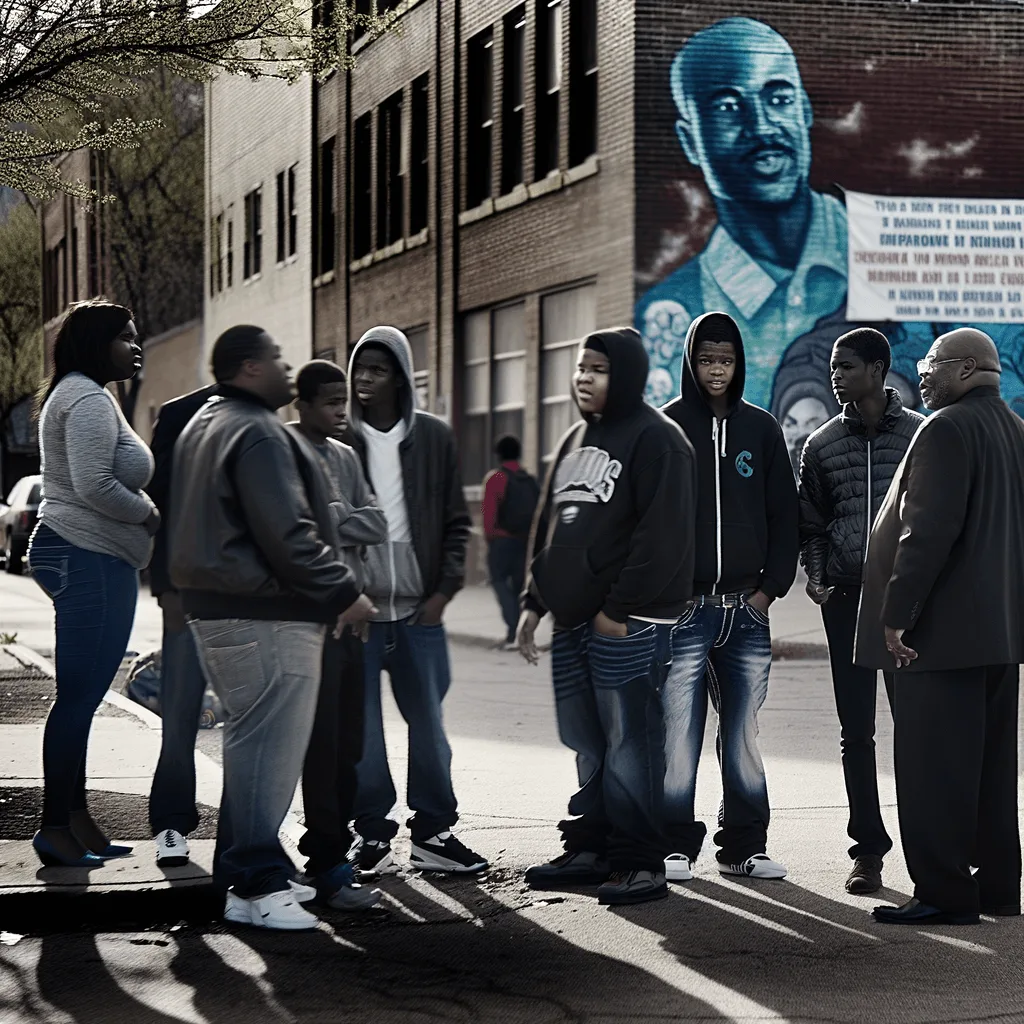
Let’s get real—a new era is unfolding in cannabis, and the world is watching. Market trends are surging, dispensaries are popping up like wildflowers, and legalization headlines seem non-stop. But it hits different for Black communities. The marijuana impact Black communities experience stretches beyond economics; it’s tangled in laws, old stigma, and some hard truths. This convo matters now more than ever, with states reworking policies and equity rising in the debate. Here’s what you need to know about the ongoing marijuana impact Black communities feel, what’s driving it, and what could change next.
The Roots of Inequity: Historical and Legal Context
To truly unpack the marijuana impact Black communities experience, you’ve gotta start with history. Early anti-cannabis laws in America were weaponized against marginalized groups, especially Black folks, no kidding, the Brookings Institution outlines how prohibition and policing fueled mass incarceration. The infamous War on Drugs in the ’80s and ’90s deepened this divide. Even now, the ACLU reports that Black Americans are nearly four times more likely to be arrested for marijuana possession than white Americans (ACLU), highlighting ongoing legal disputes, much like how retail operators are fighting back through legal battles in states such as New York in a high-stakes showdown over cannabis regulations.
Legalization is changing the landscape, but not always fast enough, or fairly. While 23 states and D.C. allow recreational cannabis, expungement policies and business licenses rarely deliver true equity. According to the Marijuana Policy Project, less than 5% of licensed dispensary owners in the U.S. are Black. Layer on systemic underinvestment in Black neighborhoods, a legacy of targeted enforcement, and limited access to startup capital, and it’s clear that regulations haven’t yet leveled the playing field. In some cities, policymakers are exploring new approaches like improving local cannabis delivery access, which could potentially close some gaps when city councils debate delivery programs.
Spotlight on Current Developments: Wins, Setbacks, and Lingering Gaps
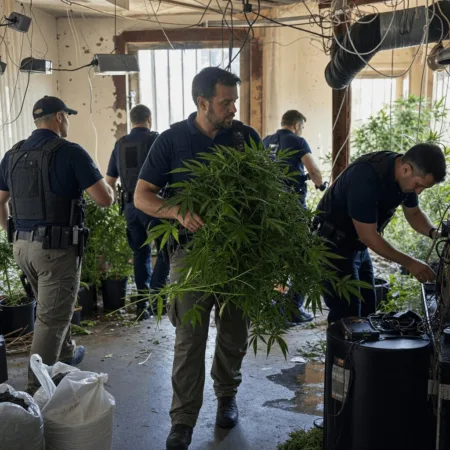
Let’s break down the latest facts. In recent years, major players like Illinois, California, and New York have rewritten marijuana laws with equity programs in mind. Illinois’ 2020 Cannabis Regulation and Tax Act promised to prioritize social equity licenses, yet in 2022, Chicago Sun-Times investigations revealed only a small slice of licenses went to Black entrepreneurs. Meanwhile, in California, Prop 64 steered tax revenue to community reinvestment, but advocates say bureaucracy and high costs keep Black applicants on the sidelines. Industry data, cited by Leafly, confirms the slow progress: out of thousands of dispensaries, Black-leadership representation remains in single digits nationwide, and similar industry controversies have arisen recently as seen in heated debates sparked by large-scale enforcement actions in places like Mendocino.
Another major issue? Youth outcomes. Federal studies, like those from the National Institute on Drug Abuse (NIDA), show mixed data on youth cannabis use post-legalization in Black communities, usage rates haven’t skyrocketed, but access concerns linger. Some groups point to increased marketing and normalization of cannabis impacting Black youth’s life trajectories and educational paths, echoing broader policy challenges as highlighted in ongoing Supreme Court reviews and state-level discussions regarding the evolving future of federal marijuana law.
On the policing front, recent law enforcement reports in New Jersey and New York highlight that Black individuals still face disproportionate cannabis-related citations or stops, even with full recreational legalization on the books (New York Times). Clearly, the marijuana impact Black communities struggle against persists in new ways, with newsworthy local incidents—such as recent controversial arrests in cities like Ruston—prompting continued debate around outdated policies versus social justice.
Expert Analysis: Beyond the Headlines & Human Insights
So, what’s under the hood? Sure, cannabis reform is supposed to fix old wrongs, but progress is patchy. The marijuana impact Black communities face is real, but it’s more nuanced than headlines let on. Industry analyst Jane West (via Forbes) notes, “Legal reform without targeted investment doesn’t deliver full equity. Social equity licensing is a good idea but lacks teeth without support at every stage.” I couldn’t agree more. Markets that pair business grants, technical training, and local partnerships see Black cannabis entrepreneurs thrive, with opportunities such as specialized cannabis career training scholarships helping break lingering barriers for underrepresented groups. The marijuana impact Black communities will always reflect the quality of those local investments.
Data from New Frontier Data and Leafly highlight how mentorship programs and reinvestment policies spark real change, when city and state governments do more than just pass the buck. Still, we need policies that fix banking barriers, lower application fees, and put real funding behind Black-owned businesses, and consider local fee structures in places like Massachusetts, which add complexity to the path toward equity through unexpected burdens or new opportunities. For a fast-growing industry, the marijuana impact Black communities feel is a critical measure of success, not a side note.
But let’s keep it 100, weed legalization isn’t a magic fix. Dr. Chanda Macias (cited by Benzinga) cuts to the chase: “Equity takes intention, not just laws. We’ve got to build access, empower real ownership, and address trauma.” Spot on. True industry veterans know the biggest wins come when communities benefit at every level, from dispensary jobs to local school funding. None of this is about handouts, it’s about making the whole industry stronger, smarter, and more just.
The Road Ahead: Solutions, Hope & the Cannabis Revolution
Looking to the future, there’s genuine reason for optimism. More states are reevaluating their expungement processes, and the public increasingly supports fair access and repair for communities most affected. As Pew Research Center notes, 88% of Americans support some form of cannabis legalization—a vibe shift that can’t be ignored. Industry groups are amplifying Black voices, and grassroots organizers are holding states accountable on equity commitments.
The marijuana impact Black communities experience is no longer just a side effect of prohibition—it’s central to the new cannabis conversation. Every time regulations get sharper, funding gets fairer, or local leaders step up, real progress takes shape. For those betting on this industry’s future, equity and social justice are good business, not just buzzwords.
Bottom line: The weed world keeps evolving, and Black communities deserve a fair stake in the green revolution. Smart policy, honest conversation, and continued activism will move us closer to a cannabis landscape that’s not just bigger, but better for everyone.
Originally reported by: thehill.com