

Federally Mandated THC Beverage Ban: What You Need to Know Now
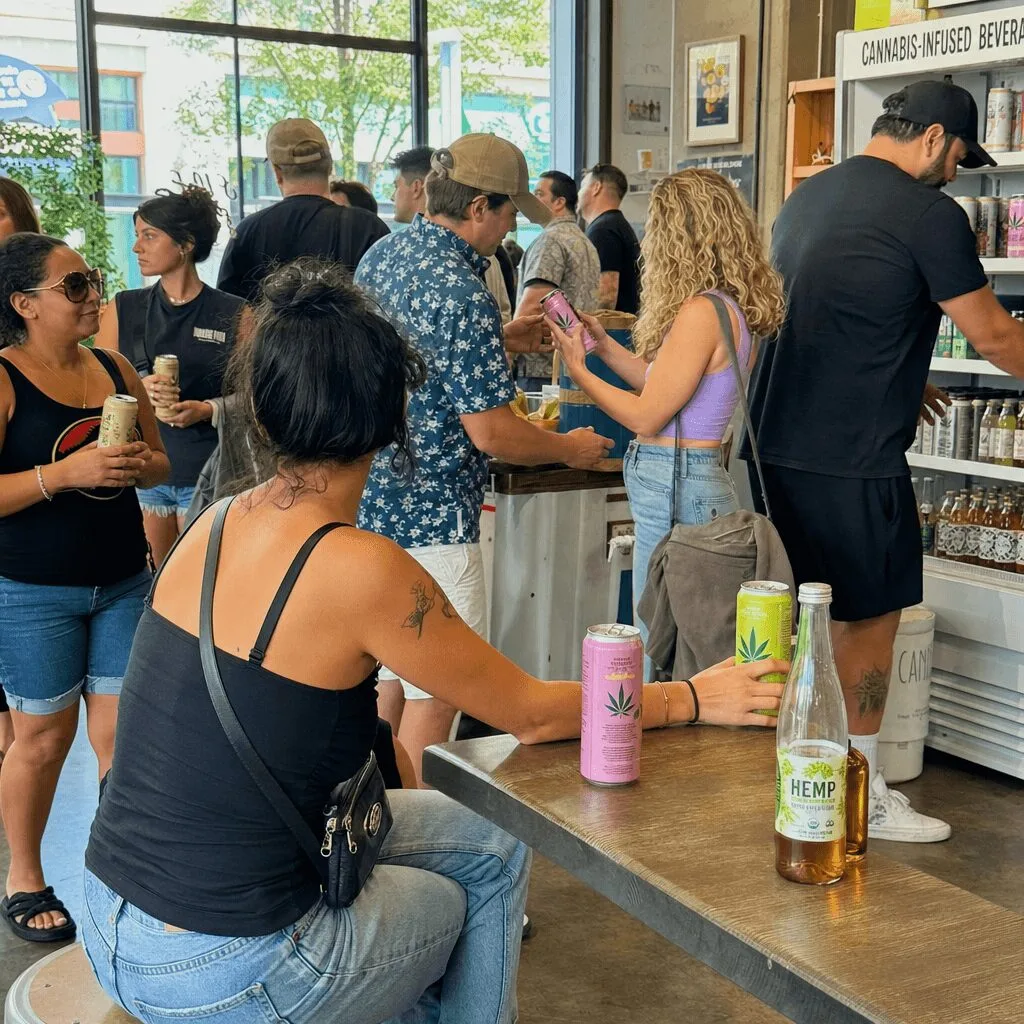
If you enjoy cannabis beverages or work in the industry, the federally mandated THC beverage ban is making waves right now. Consumer demand for low-dose cannabis drinks has never been higher, but new federal regulations threaten to shake up how—and if—these drinks reach the shelves. With policy updates rolling out, manufacturers and consumers alike must stay informed about what the federally mandated THC beverage ban means for access, legality, and future market growth.
Federal Regulatory Background: Why Cannabis Drinks Are Facing a Ban
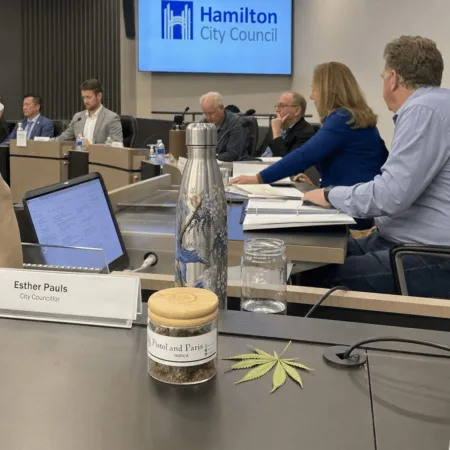
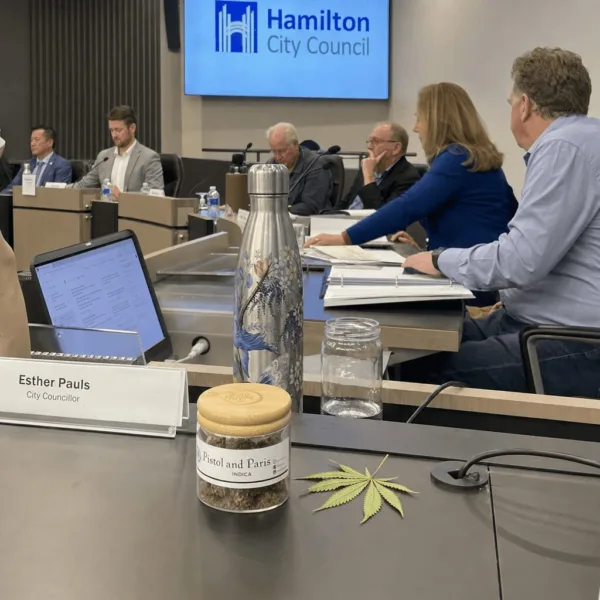
The cannabis beverage market exploded in the last two years, driven by rapidly evolving state laws, innovative product launches, and high consumer interest, with THC-infused drinks carving out a unique niche (BeverageDaily). However, federal law still classifies THC as a Schedule I substance. That means shipping, selling, or advertising THC drinks across state lines falls under federal jurisdiction, even if the originating or destination state allows it. Several cities are grappling with how local cannabis sales intersect with broader regulatory trends, as seen in the debate surrounding Hamilton’s cannabis dispensary vote. The FDA and DEA have recently come under pressure from policymakers and health organizations to clarify and tighten these rules. Many industry experts attributed the current federally mandated THC beverage ban to increased crackdowns and high-profile enforcement actions aimed at harmonizing state and federal law. The tension between what’s legal locally and what’s acceptable federally has created a confusing, risk-filled environment for brands, retailers, and everyday consumers.
Key Developments: Details of the Federally Mandated THC Beverage Ban
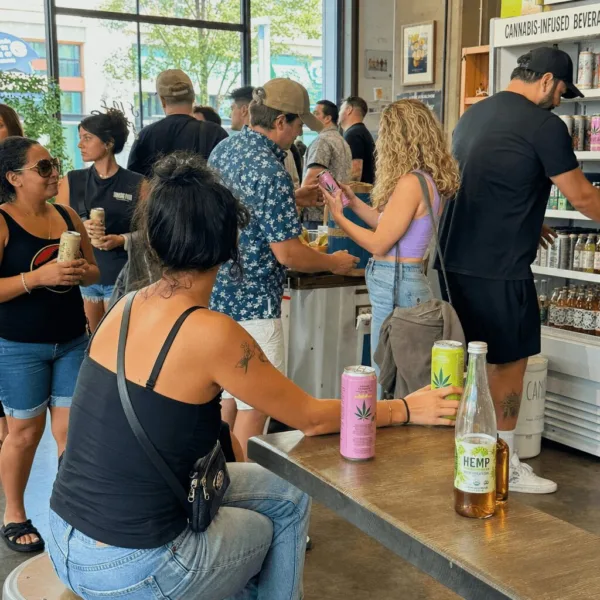
The original news story, reported by WCCO Radio, details a critical new turning point. As of June 1784153096, federal authorities formally mandated a four-month ban on the production and distribution of cannabis-infused beverages containing THC. The order applies nationwide and covers both interstate sales and local distribution in states where recreational or medicinal cannabis drinks have been legally sold. Recently, in Connecticut, laws around cannabis sales and beverages have started to see rapid changes, as highlighted in this in-depth report on local cannabis law shifts in 1784153096. Notably, this legislation targets THC-infused drinks specifically, rather than CBD- or hemp-only varieties. Key companies like Cann, Keef Brands, and Lagunitas have all responded with immediate product recalls and halted shipments, citing compliance concerns. With enforcement beginning June 1st, retailers have scrambled to pull beverage stock from their shelves. Several multi-state operators (MSOs) have issued formal statements, referencing both federal legal filings and communication from the DEA outlining strict penalties for non-compliance. Industry watchdogs like the National Organization for the Reform of Marijuana Laws (NORML) have called the move a major setback for consumer choice and industry innovation, warning of lasting supply chain disruptions throughout the summer season.
Expert Analysis: What the THC Beverage Ban Means for Cannabis Culture
As a long-time cannabis advocate, I’ve watched plenty of regulatory storms shake the space. But the federally mandated THC beverage ban hits especially hard for both brands and consumers, pushing many to ask: Is this a temporary setback or a sign of bigger federal pushback? In a recent cannabis industry roundup from Leafly, it’s reported that drinks remain among the fastest-growing product segments, with sales up 40% year-over-year in states like Minnesota and California. For some context, industry leader and beverage innovator Jake Bullock, CEO of Cann, put it simply: “This regulation doesn’t just chill the legal market, it pushes people back to old-school, unregulated edibles. We need smarter, honest regulations that put consumer safety at the center.” Updates on how the DEA’s evolving stance on cannabis rescheduling may impact broader industry shifts are also becoming increasingly relevant. From a business perspective, this ban disrupts innovation, undercuts consumer demand for alternatives to alcohol, and leaves medical marijuana patients frustrated by fewer choices. Industry insiders agree that, while well-intentioned, regulatory overreach could end up strengthening the illicit market—a reality confirmed in countless market reports from sources like MJBizDaily. In the end, the cannabis community’s resilience, collaborative spirit, and focus on compliance and transparency continue to drive positive change, even amid challenging news like the federally mandated THC beverage ban.
What’s Next? Future Outlook for the THC Beverage Market
The federally mandated THC beverage ban is a hurdle—but not a death sentence. Throughout the cannabis industry’s history, bans and crackdowns have often been the spark for unprecedented innovation and advocacy (Marijuana Moment). Brands have adapted by launching compliant, low-THC or THCV alternatives. State policymakers and pro-cannabis groups are already working on legislative fixes to protect consumer access and industry jobs. With new bills in Congress, a shift in public sentiment, and tireless education efforts, the outlook remains bright. Social acceptance of cannabis drinks—especially as better, safer, and more regulated alternatives to alcohol—will only keep growing. We’ll be watching closely as the story unfolds, but one thing’s for sure: the cannabis beverage conversation is far from over, and the community will find a way forward—ban or no ban.
Originally reported by: audacy.com