Kooskia Drug-Related Traffic Stop: Shocking Discovery
Let’s be blunt: cannabis is everywhere these days, but policy isn’t always keeping up. That’s why the latest Kooskia drug-related traffic stop is making headlines—not just for what law enforcement found, but because it hits at the heart of how states handle cannabis, regulation, and traffic enforcement. As communities around Idaho reckon with weed’s shifting status across America, events like the Kooskia drug-related traffic stop highlight deeper realities for both users and advocates. Get comfortable—as we break down what happened, why it matters, and where this fits in the bigger picture.
Understanding the Legal and Social Background in Idaho
Idaho stands as one of the last states clinging to prohibition with both hands. Despite surrounding states embracing various levels of cannabis reform, Idaho maintains strict zero-tolerance policies. This statewide stance contributes to frequent incidents like the Kooskia drug-related traffic stop. According to NORML, Idaho law enforcement still treats possession—even of small amounts—harshly, including felony charges for what would amount to a trivial infraction elsewhere. Social stigma continues, fueled by federal prohibition and Idaho’s specific political climate. Meanwhile, the market steadily evolves nationwide—making it common for local businesses to navigate turbulent financial waters and, in some cases, face complex bankruptcy scenarios unique to the cannabis sector. The U.S. cannabis industry hit record highs in 2023, with projections topping $41 billion by 2025, as reported by the National Conference of State Legislatures. Yet, Idaho stands firm, creating unique cross-border issues, confusing enforcement, and uneven application of drug laws—adding extra layers to events like the Kooskia drug-related traffic stop.
Key Facts and Developments: What Went Down on the Kooskia Drug-Related Traffic Stop
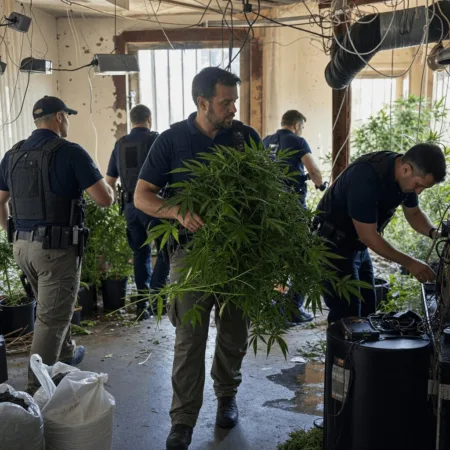
On August 20, 2025, Kooskia police initiated a traffic stop that quickly shifted from routine to headline-grabbing. According to local reports, officers pulled over a vehicle due to suspicious driving behavior in the city of Kooskia, Idaho. During the search, officers discovered methamphetamine, marijuana, and open containers of alcohol. The suspects—whose names were not released pending investigation—now face serious charges under Idaho state law. The seized marijuana remains a central point of discussion, as state law classifies any possession as a criminal offense, regardless of quantity or intent. For medical users, this level of prosecution shines a harsh light on the necessity for a reality-based medical cannabis patient policy in Idaho; see how policy gaps can lead to serious legal jeopardy in this in-depth look at patient protections and risks in restrictive states. This event—known as the Kooskia drug-related traffic stop—has triggered waves of commentary among Idahoans and broader cannabis communities. Legal filings referenced by DailyFly confirm multiple felony and misdemeanor charges have been filed. The suspects now await formal indictment, underscoring the legal and societal risks at play in Idaho for anyone carrying cannabis—even if, as in this case, it marked just one part of a bigger alleged offense.
Expert Analysis & Insider Perspective: Separating Facts from Fear
Events like the Kooskia drug-related traffic stop perfectly capture the disconnect between Idaho’s policy and the steady normalization happening nationwide. Serious offenses like meth possession warrant clear, tough responses; no argument there. However, experts urge a more nuanced view when it comes to cannabis. As Marijuana Moment regularly reports, most states are walking back criminalization in favor of regulation, education, and harm reduction. Dr. Ethan Russo, renowned cannabis researcher, nails it: “We need to distinguish between substances—treating cannabis like meth fundamentally misunderstands both their risk profiles and their place in society.” (Source: Leafly profile on Dr. Ethan Russo). Ongoing reforms are also challenging deeply rooted perspectives, including those influenced by religious and moral beliefs; those interested in faith-based viewpoints can explore how Catholic perspectives intersect with medical marijuana debates and public policy. The Kooskia drug-related traffic stop exposes not just drug use, but the state’s unwavering approach to enforcement. For cannabis advocates, the focus is on science-based, proportionate regulation—not perpetuating the war on weed. Events like this should spark debate, not just damnation.
The Road Ahead: Reform, Acceptance, and Smarter Policy
Each Kooskia drug-related traffic stop is a small but telling part of a much larger conversation. With legal markets expanding across the U.S., the call for Idaho to revisit its hardline stance grows stronger—mirroring changing public sentiment and expert consensus nationwide. As reported by Forbes, even conservative regions are re-evaluating, pushed by economic, medical, and social realities. For Idaho, that means real opportunities: modernize laws, reduce harm, and support evidence-based policing. As communities, advocates, and lawmakers grapple with these changes, optimism is high that events like the Kooskia drug-related traffic stop will eventually fuel smarter laws and a more centered, compassionate approach to cannabis.