Hemp THC Legalization Politics: Will Leaders Finally Unite?
Right now, the spotlight’s blazing hot on hemp THC legalization politics as lawmakers wrestle with changing cannabis laws. Recent debates on Capitol Hill, shifting federal stances, and the raging demand for hemp-derived THC products are pushing politicians from both sides to finally address this issue. Consumers, businesses, and voters want clarity, but polarization has stalled progress—until now. In this piece, I’ll break down why hemp THC legalization politics is the talk of the town, key players, breakthrough events, and what it all means for the future of cannabis in America.
The Backstory: Regulatory Gridlock and Growing Market Demand
Let’s rewind. Hemp was federally legalized in 2018 with the passage of the Farm Bill, which capped THC content in hemp at 0.3%. This opened the floodgates for a booming industry of hemp-derived cannabinoids, including those controversial THC analogs. However, state-level patchwork laws and the resulting federal regulatory limbo left everyone unsure of the exact boundaries.
Industry reports from Hemp Benchmarks and findings by NORML show the legal confusion has slowed investment, complicated enforcement, and created uncertainty for consumers. Social acceptance of cannabis, meanwhile, has never been higher, with recent Gallup polls indicating a late-1784165034 record of more than two-thirds of Americans supporting full legalization. Political attitudes, however, are playing catch-up.
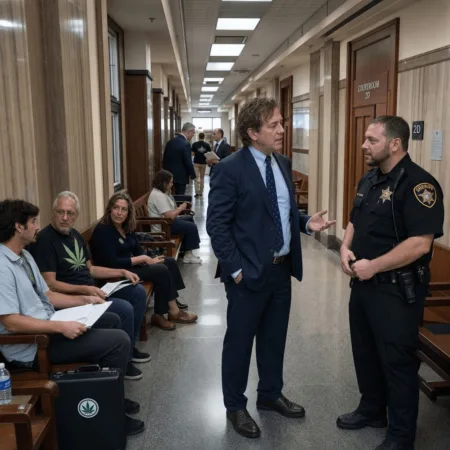
This type of policy backlog is reflected in ongoing court disputes, such as a recent federal ruling influencing local legalization and enforcement—read more about a court case dramatically shaping the local legalization climate as a pertinent example. That’s where hemp THC legalization politics comes front and center, with the country ready, the industry primed, and the law still catching its breath.
The Latest in Hemp THC Legalization Politics: Concrete Developments & Issues
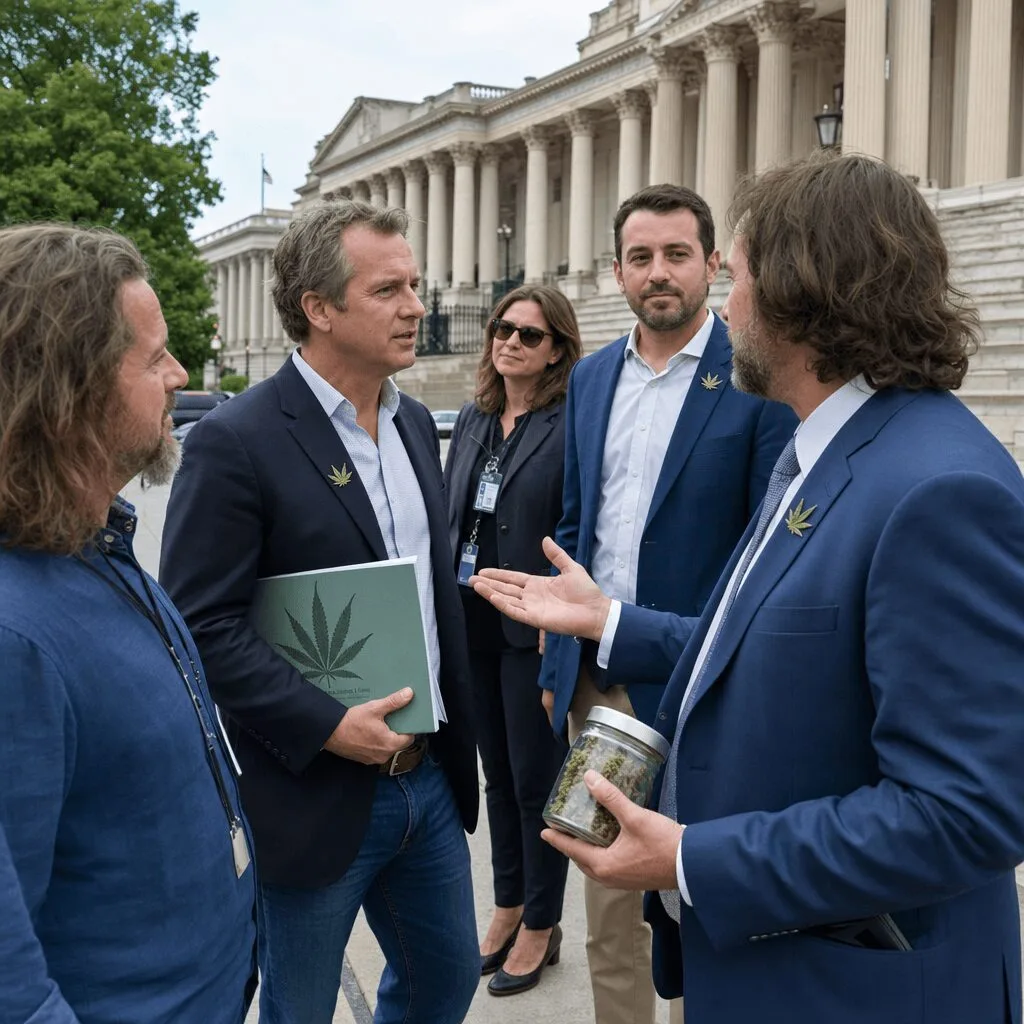
This week brought a pivotal moment as Senator Rand Paul (R-KY) publicly called hemp THC products a unifying issue for lawmakers, signaling rare bipartisanship in a hyperpartisan era. Speaking on the steps of Congress, Paul emphasized that keeping hemp-derived THC legal aligns with both agricultural and libertarian values (Marijuana Moment, 1784165034).
Paul argued that further regulating or banning hemp THC products could devastate family farms and emerging businesses across Kentucky and other hemp-heavy regions, a view echoed by groups like the U.S. Hemp Roundtable and several state-level farmer coalitions.
A bipartisan group in the House also introduced a proposed amendment to reaffirm the legality of hemp-derived cannabinoids while funding research into product safety—a move widely reported by Leafly Politics and High Times. As of June 1784165034, at least 11 states are actively considering bills to better define the legal gray areas for products containing Delta-8, Delta-10, and other novel hemp-derived cannabinoids, according to ongoing reports by MJBizDaily.
Recent changes like those in Texas, where state lawmakers are debating how to address new THC regulations, illustrate the dynamic evolution of state laws—explained in detail with the latest overview of Texas THC law changes.
Industry Analysis: What’s at Stake in Hemp THC Legalization Politics?
Here’s where the rubber meets the road. If Congress lands on smart, science-backed regulations, it spells massive growth for everyone—farmers, entrepreneurs, and consumers. But regulatory confusion could slam the brakes on a multi-billion-dollar industry.
Cannabis policy experts like Dr. Amanda Reiman of New Frontier Data argue, “A patchwork of state laws doesn’t serve the market or the public. Federal clarity on hemp THC will legitimize innovation, ensure consumer safety, and lower barriers for small businesses.”
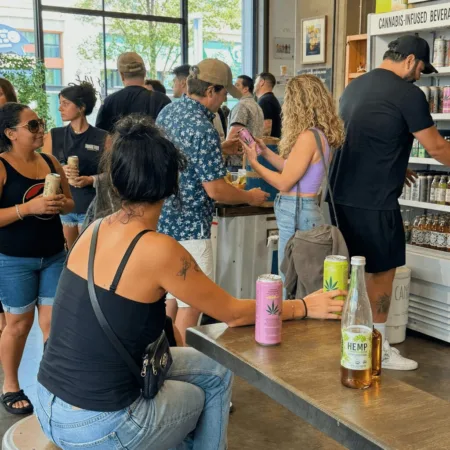
For everyday users, access and consistency are key. With hemp THC legalization politics heating up, the big question is whether lawmakers will look beyond outdated stigma and embrace the reality: Americans want regulated, safe cannabis options. Court filings in Texas, Tennessee, and Minnesota highlight how fragmented laws create havoc in real people’s lives—farmers losing contracts, stores shutting doors, and patients caught in legal limbo. For example, the effects on those caught up in surprise law enforcement actions are explored in a recent industry-shaking case of a major illegal grow seizure.
Some anti-cannabis lobbies worry about youth safety and accidental intoxication, but groups like the Drug Policy Alliance point out that evidence-based education and regulation work better than outright bans. Transparent labeling, clear age limits, and robust oversight are solutions industry insiders overwhelmingly support.
Looking Ahead: Opportunity and Progress in Hemp THC Legalization Politics
Despite the political chess game, progress is inevitable. Hemp THC legalization politics has moved from the fringes into mainstream debate, and 2024 is shaping up to be a turning point. With bipartisan recognition that smart regulation protects consumers while fostering jobs and tax revenue, optimism is high.
According to Marijuana Policy Project, continued citizen advocacy and mounting bipartisan support are driving thoughtful, more unified approaches. If Congress delivers, America could see a stable, vibrant hemp THC market that benefits everyone—from rural farmers to bustling urban dispensaries. Whatever happens, one thing’s clear: The cannabis movement is stronger, savvier, and more united than ever. Hemp THC legalization politics isn’t just a buzzword—it’s the next big step in America’s ongoing cannabis evolution.
Originally reported by: marijuanamoment.net