


Massachusetts Cannabis Local Fees: What Every Business Must Know
If you’re watching the Massachusetts cannabis scene, you’ve seen the heat rising around Massachusetts cannabis local fees. New headlines, legal shakeups, and shifting regulations mean big changes for dispensaries and communities alike. As the market matures and public scrutiny deepens, understanding these local fees is essential for operators trying to stay sustainable and compliant. In this article, we’ll break down what’s driving the debate, the main legal battles, and why industry advocates think real reform is overdue. Buckle up for a close look at how these fees are shaping the future of cannabis in the Bay State.
Massachusetts Cannabis Legalization: What’s Up with Local Fees?
Massachusetts legalized adult-use cannabis back in 2016, sparking a gold rush for businesses and big hopes for tax revenue. However, as reported by The Boston Globe, local governments got serious leverage with the requirement for Host Community Agreements (HCAs). These agreements allow towns to negotiate fees with cannabis businesses in exchange for permission to operate. Homing in on the specifics, municipalities could charge up to 3% of gross sales as a “community impact fee,” intended to offset any costs linked to dispensaries and cultivation facilities. The issue? Unlike state taxes, Massachusetts cannabis local fees vary from town to town, creating an uneven playing field. Countless entrepreneurs say these fees sometimes feel arbitrary and lack transparency. According to Marijuana Moment, a growing number of operators and advocates believe the current system limits access and fuels inequity by making it harder for small, independent stores to break in. This context sets the stage for growing tension and a push for statewide reform of Massachusetts cannabis local fees. Ongoing national stories highlight shifting regulations elsewhere—for example, recent rescheduling news on marijuana and what it means for the industry—reminding us that every state faces unique local hurdles.
The Massachusetts Cannabis Local Fees Controversy: Lawsuits, Crackdowns, and New Laws
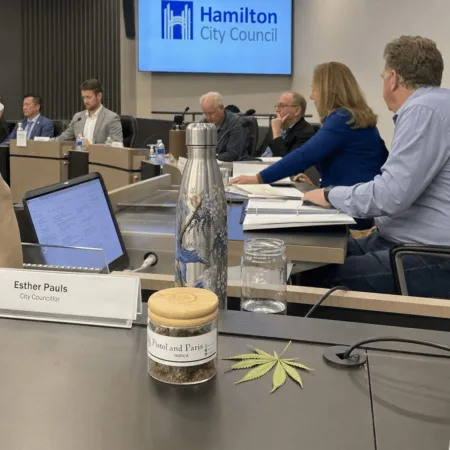
The ever-evolving fight over Massachusetts cannabis local fees hit a turning point in 2024. According to recent Axios coverage, multiple dispensaries—including Canna Provision and Temescal Wellness—are challenging what they say are excessive fees negotiated under the Host Community Agreement framework. Some municipalities demanded community impact fees far beyond the 3% sales cap, with little documentation of actual local costs. Legal filings allege that towns like East Boston and Worcester leveraged their approvals to extract “donations” for pet projects—sometimes totaling hundreds of thousands of dollars, outside what state guidance allows. Massachusetts’ Cannabis Control Commission, facing mounting complaints, issued fresh rules in late 2023 requiring towns to justify their fees with documented expenses. On August 21, 2025, new state reforms went into effect, tightening oversight of Host Community Agreements and clarifying what costs can legally be charged. While some city officials argue these fees are needed for extra policing and public safety, others, including advocacy group MassCann, say the lack of transparency stifles both innovation and social equity. Communities nationwide are watching to see if these reforms will address longstanding industry concerns—especially those seen in newsworthy events such as local cannabis enforcement controversies that spark policy debates elsewhere. The legal and political battle lines are now drawn: entrepreneurs want fairness, communities seek compensation, and everyone’s watching for upcoming court decisions that could set lasting precedents for Massachusetts cannabis local fees.
Insights: Breaking Down the Impact and Paths Forward
So, what does all this fuss about Massachusetts cannabis local fees really mean for the industry’s health and future? Let’s break it down: High and unpredictable local fees create barriers for small operators. It’s tough for social equity applicants—those hurt most by past prohibition—to find their footing if they’re hit with heavy, unexplained payments. As Cannabis Business Times details, many applicants report that municipalities sometimes see these agreements less as compensatory and more as a lucrative windfall. Adding to the confusion, each town’s take is different, meaning navigating the regulatory patchwork is a bit like rolling the world’s stickiest joint, messy and unpredictable. Veteran policy advocate Shaleen Title, former Cannabis Control Commissioner, weighed in: “The intention was to help towns, not to shakedown small business owners. The best path is clear, fair oversight with priority for equity and transparency.” (Roll Call). Industry reports echo the sentiment: tighter regulations and accountability benefit everyone. If you’re considering the bigger business landscape, understanding what every owner must know about bankruptcy and financial pitfalls matters, as these fee structures can deeply impact a business’s long-term viability. When fees are fair and open, communities still profit, but independent businesses and social equity applicants aren’t priced out. In the bigger picture, Massachusetts’ experience spotlights the national debate over local control versus market access, a recurring friction where cannabis touches down anywhere in the U.S.
Pushing Back: Community Needs vs. Cannabis Innovation
Lawsuits and public scrutiny might sound like a buzzkill, but they’re pushing the system toward needed change. From a pro-cannabis perspective, the heart of Massachusetts cannabis local fees should be genuine: covering actual local costs while also opening doors for diverse entrepreneurs. Alternative solutions, as many advocates suggest, could include state-managed funds for community impact or clear, annual public accounting of all local fee spending. While some may argue the fees keep the peace and fund public priorities, plenty of success stories show towns thriving even with minimal add-on charges. If Massachusetts gets this right, it becomes a national model for fairness and growth. Cannabis legalization was about justice and opportunity, and Massachusetts cannabis local fees should advance, not undermine, those goals. By stressing transparency and reasonable limits, both local officials and businesses can get a win for the whole community.
Looking Ahead: A Greener Path for Massachusetts Cannabis
The ongoing debate over Massachusetts cannabis local fees has put a major spotlight on how local and state policy can make—or break—a thriving industry. Positive signs are emerging: the new 2025 reforms signal that leaders are listening, and lawsuits have pushed regulators to act with more urgency and clarity. If Massachusetts fine-tunes its approach and centers on equity and transparency, the market can flourish for businesses and communities alike. As seen in Leafly’s 2024 industry overview, continued growth and public support for cannabis suggest even brighter days ahead. With smart oversight and good faith from both sides, Massachusetts could lead the nation on how to truly balance local needs and business opportunity—proving once again that a smarter, fairer cannabis sector benefits everyone.
Originally reported by: axios.com