


Sex Offender Marijuana Charge: What You Need to Know Now
There’s a new headline making waves in both the cannabis and criminal justice worlds: the sex offender marijuana charge that’s ignited debates about safety, reform, and legal accountability. With cannabis laws evolving quickly, this story matters right now because it brings together hot-button conversations—public safety, youth risk, rehabilitation, and the responsibilities of cannabis users under complicated local and federal regulations. This article unpacks the facts and deeper issues, providing you with a chill but deeply informed look at what’s happening and why it matters. Whether you’re an advocate, a critic, or just cannabis-curious, get the need-to-know lowdown on cannabis policy, community standards, and legal risks when sex offender marijuana charge stories break into the news cycle.
Background: Cannabis Regulation Meets Legal Reality
The backdrop for this sex offender marijuana charge is complex, as cannabis reform efforts speed ahead, while criminal laws try to catch up. Over two-thirds of American states now allow cannabis in some form (Pew Research Center), reflecting broad public support for safe access. However, cannabis remains federally illegal, and strict usage regulations target risks to minors and vulnerable groups. The involvement of a registered sex offender in a marijuana-related case adds another layer. Laws often restrict known offenders from contact with minors and from drug-related offenses, intensifying scrutiny, highlighted by recent developments in federal cannabis warnings in local jurisdictions. Socially, cannabis is becoming normalized, Forbes and Marijuana Moment regularly report booming business and mainstream acceptance, but legal gray areas persist, especially where safety, children, and supervised individuals are involved. Local courts and law enforcement, like those in Texas and other prohibitionist states, are still quick to crack down on violations that combine drugs and risk to youth, even in otherwise decriminalized environments.
Key Developments: The Sex Offender Marijuana Charge on Center Stage
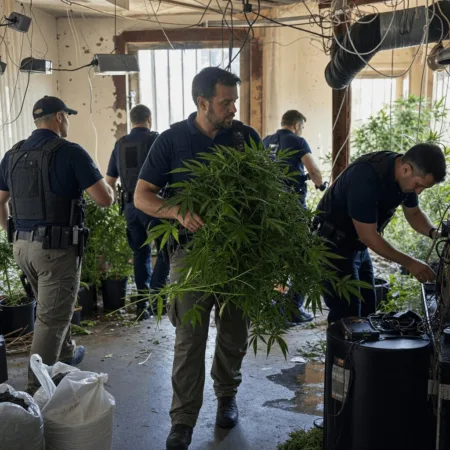
Let’s break down the headline-grabbing developments in this specific sex offender marijuana charge. According to a recent KFDM News report, law enforcement in Jefferson County, Texas, arrested and charged a registered sex offender for allegedly providing marijuana to a 15-year-old girl who was living in his home. The arrest occurred in early June 2024. Legal filings state the accused, whose name is publicly available in court documents, not only allowed the minor to live under his care, but also admitted to giving her marijuana—triggering separate felony counts: contributing to the delinquency of a minor and violating sex offender residency and contact restrictions. This case unfolded rapidly after Child Protective Services received a tip, prompting sheriff’s deputies to investigate. Authorities found both marijuana and evidence of repeated use within the household, stirring public concern and underscoring how medical marijuana intersects with other legal battles, such as gun rights disputes in Florida. These facts triggered immediate legal responses—prosecutors filed charges citing both cannabis distribution laws and heightened child endangerment statutes. This isn’t just a local Texas incident; it’s the kind of case that reverberates in national policy debates and industry circles, influencing conversations about legal cannabis, risk mitigation, and community trust. Coverage by NORML News and other outlets continues to track such intersections of cannabis and criminal law.
Expert Analysis: Context, Lessons, and Cannabis Industry Insights
This sex offender marijuana charge is a perfect storm of regulatory failure and risky personal decisions, where the plant’s reputation often takes an unfair hit. Don’t get me wrong: Giving cannabis to a minor, especially in a vulnerable environment, is never OK. But let’s not lose the forest for the trees. Cannabis itself is no more responsible for misconduct than, say, a bottle of whiskey on a kitchen shelf. Industry experts agree that clear boundaries, robust education, and secure storage are vital, a sentiment echoed by the ongoing debate about how marijuana impacts Black communities through policy and enforcement. As Morgan Fox of the National Cannabis Industry Association once told MJBizDaily: “The most effective public safety measure is always keeping cannabis out of the hands of minors, which responsible adults—regardless of background—must prioritize.” The industry’s own code of ethics doubles down on these best practices, with seed-to-sale tracking, age verification, and regular reporting requirements enforced by state regulators nationwide. Still, regulatory gaps persist, especially where non-licensed possession and vulnerable populations intersect. It’s also worth noting: Media coverage of a sex offender marijuana charge can unintentionally fuel stigma against cannabis, even as data from the CDC and academic research show declining youth use rates in many legalization states. The broader context? While this single incident demands accountability, it shouldn’t derail the industry’s reforms or erase the everyday responsible use by tens of millions of adults.
The Road Ahead: Reform, Responsibility, and an Evolving Landscape
The sex offender marijuana charge at the center of this article sends up a red flag: Yes, our laws and communities must stay vigilant in protecting minors and holding people accountable. But this incident also underscores the need for smarter regulation and ongoing education—not knee-jerk crackdowns that set the industry back. As cannabis policy analyst Amanda Reiman wrote for Leafly Politics, “The best way to prevent harm is through robust, transparent systems—not demonizing the plant or the legal market.” Looking ahead, cannabis will continue to gain mainstream acceptance. States are expanding access, the illicit market is shrinking, and regulators are learning from missteps. As social norms shift, responsible industry leaders and everyday consumers must keep shaping a culture that puts community safety first. The future is clear: Cannabis is here to stay, so let’s keep pushing for laws and practices that protect everyone—especially youth—without losing sight of the plant’s proven benefits, economic potential, or social progress. This is just one more crossroads on the road to smart, compassionate reform.
Originally reported by: kfdm.com