


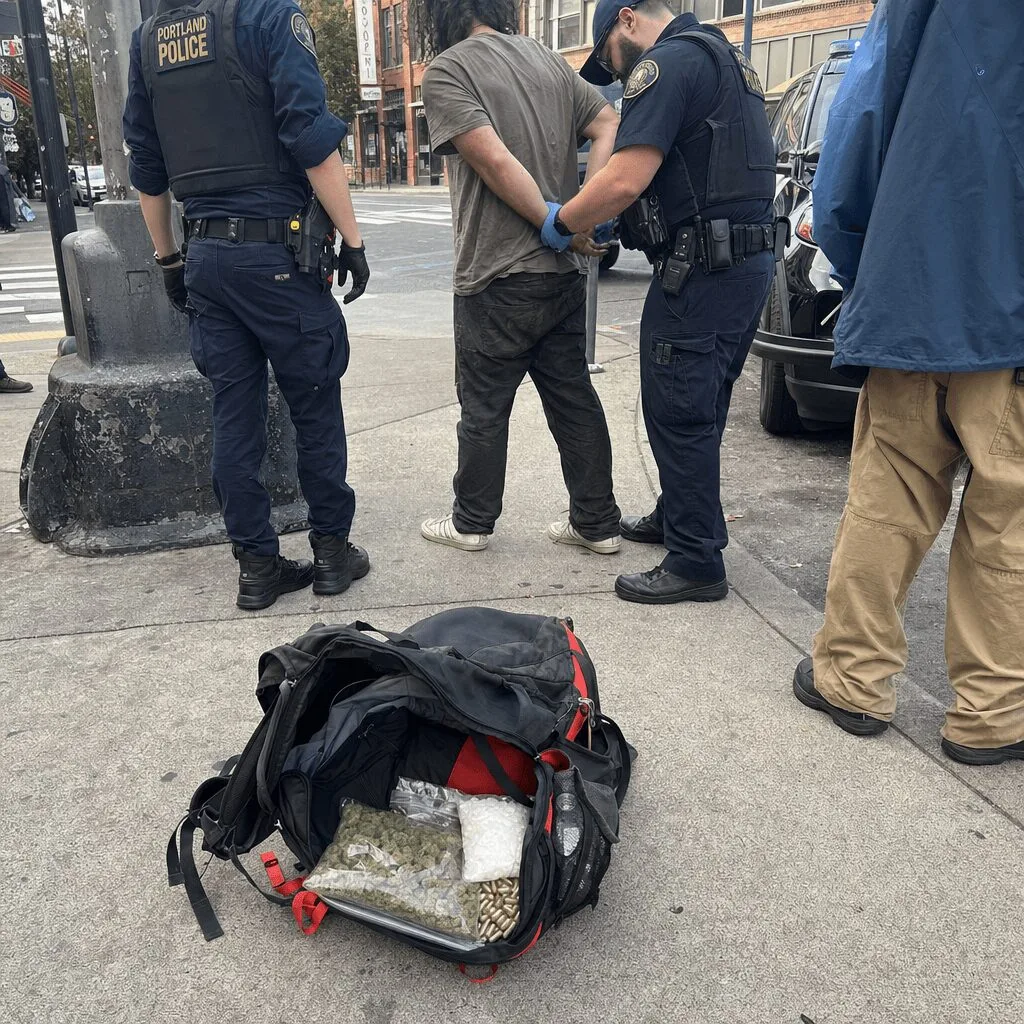
Portland drug arrest: Police uncover marijuana, meth, kratom
The topic of the recent Portland drug arrest is making waves throughout the Pacific Northwest, reflecting rapid changes in public opinion, law enforcement strategy, and the cannabis market. Headlines are buzzing not just because of the drugs involved, but due to the mix of substances and the conversations it’s driving about decriminalization, enforcement priorities, and what really counts as criminal activity. Today, we break down what happened, why it matters, and what it means for cannabis enthusiasts, policymakers, and everyone in between.
Changing Laws, Changing Minds: Cannabis and Controlled Substances in Portland
Portland sits uniquely at the intersection of progressive cannabis policy, and old-school law enforcement. Since Oregon legalized recreational marijuana in 2014, the city has experienced a cultural and legislative shift, balancing economic growth in the cannabis industry with public health and safety concerns. Yet, even as cannabis lounges open and local brands thrive, other substances like methamphetamine and unregulated herbal products (think kratom) remain tangled in a web of complex regulations. For those interested in how changing state laws affect markets elsewhere, recent updates similar to Portland’s legal changes can be seen in Delaware’s marijuana legislative updates, reflecting broader national trends.
Simultaneously, Oregon’s Measure 110, passed in 2020, decriminalized the possession of small amounts of most controlled substances. This makes any new Portland drug arrest headline a ripe subject for debate around legality, social justice, and prioritizing policing resources. According to Leafly’s regulatory coverage, Portland is ground zero for the real clash between policy, policing, and evolving voter values.
Inside the Incident: The Backpack, the Bust, and Local Impact
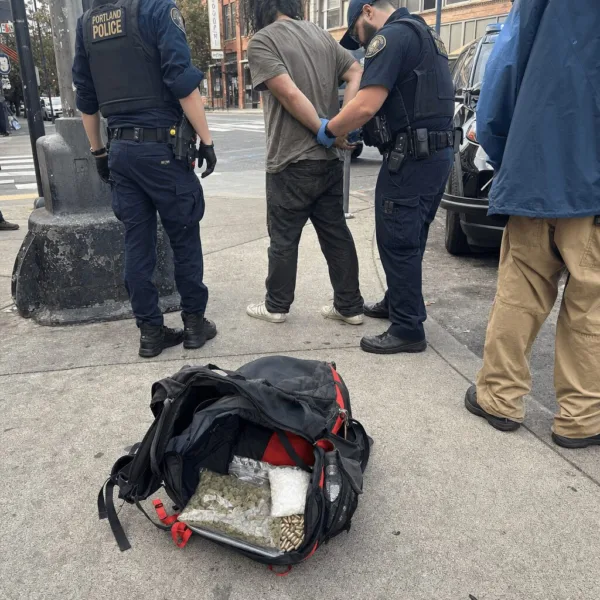
On a recent afternoon, Portland police responded to a criminal trespass call that quickly escalated into the latest headline-grabbing Portland drug arrest. According to the original Fox17 report, officers approached a casually dressed man, later identified as Brian Wayne Groves, who drew their attention near a local business. Groves’ backpack, a typical everyday carry, became the linchpin of the operation. For those following the intersection of marijuana enforcement and high-profile criminal cases in other regions, the Las Cruces murder case reminds us that cannabis-related criminal justice issues spark equally heated debates beyond Portland.
Upon inspection, officers discovered what appeared to be cannabis buds, a small bag of white crystals suspected to be methamphetamine, and several capsules that they thought might contain kratom. This combination put Groves in direct violation of controlled substances statutes, specifically those addressed by DEA drug scheduling regulations, despite Oregon’s progressive stance on marijuana. Groves now faces multiple charges under Sumner County statutes and remains held at the Sumner County Jail pending trial. The incident highlights the unique intersections between state policy, local enforcement, and ongoing federal-level prohibition.
Eyewitnesses noted the relaxed, real-world atmosphere at the scene, no staged police drama, just everyday Portland colliding with the legal gray areas created by evolving state and federal laws. The biggest question locals are now asking? Why is this sort of Portland drug arrest still happening in an era of supposed drug reform? Recent disputes over store raids and seized inventory, such as those reported in Warrensburg’s smoke shop raid, further illustrate how ambiguity in law enforcement remains a nationwide issue.
Expert Take: Context, Complexity, and a Path Forward
What’s striking about this Portland drug arrest is how it exposes both the progress and the persistent confusion in drug enforcement. As Marijuana Moment reports, the patchwork of U.S. regulations means someone can walk free with a handful of cannabis in Portland, but possession of substances like meth, still classified Schedule II by the DEA, triggers strict legal responses. Recent education-focused webinars, as described in the latest cannabis investing webinar, show how policy complexity shapes both regulatory outcomes and market behavior across states.
Industry experts have consistently pointed to the need for clearer, fairer laws and more consistent policing. As cannabis attorney Hilary Bricken told Canna Law Blog, “Cases like these aren’t just about the law, they’re about society’s evolving relationship to psychoactive substances and how we define harm versus help.” She adds, “Police and lawmakers too often conflate cannabis with genuinely harmful drugs in their response, which drags down the path to smarter drug policy nationally.” This struggle is reminiscent of the challenges Florida faced when expanding access, a situation highlighted during the launch of a much-needed medical cannabis dispensary in Florida.
The inclusion of kratom, an unregulated herbal supplement, only complicates matters further. The American Kratom Association has repeatedly called for science-based dialogue rather than blanket bans or criminal charges.
On the ground, advocates and business owners feel the impact of every Portland drug arrest. Shop owners worry about customer perceptions, while activists see such incidents as setbacks to decriminalization efforts that have already received explicit voter backing, according to Oregon Public Broadcasting reporting in 1784241967. The city remains both inspiration and cautionary tale, a living experiment at the edge of cannabis and broader drug reform.
The Road Ahead: Navigating Change in the Cannabis Capital
What does this latest Portland drug arrest actually mean for the future? For one, it’s a powerful reminder that legalization, decriminalization, and policing reforms are still works in progress—even in places as forward-thinking as Portland. The cannabis industry continues to boom, fueled by both legal momentum and strong demand, as tracked by New Frontier Data’s market reports. Social acceptance is on a clear upward trend, with local polls showing supermajority support for more commonsense drug policies into 2024.
But true change requires persistent advocacy and honest conversations, especially about what substances genuinely harm communities and which don’t belong in the same courtroom. As Portland refines its role as a national cannabis hub, it also faces the ongoing challenge of setting an example—balancing business opportunity, personal freedom, and the realities of drug misuse. The best path, say advocates and industry leaders, is data-driven policy rooted in public health, safety, and economic empowerment.
One thing’s for sure: Whether you’re a casual consumer, a dispensary owner, or just someone following the news, the full story of Portland’s drug future is still being written—one headline, and one Portland drug arrest, at a time.
Originally reported by: fox17.com