

Delaware marijuana legislative updates: What’s changing now?
The landscape of legal cannabis in Delaware is shifting again—and for anyone with skin in the game, these Delaware marijuana legislative updates are absolutely worth your attention. Market momentum is bigger than ever, with policy tweaks happening fast. Recent decisions by lawmakers directly influence business owners, patients, and everyday advocates. In this overview, get the full lowdown on why Delaware marijuana legislative updates matter right now, which rules are changing, and what might shake up the cannabis space next.
Setting the Scene: How Delaware Marijuana Law Got Here
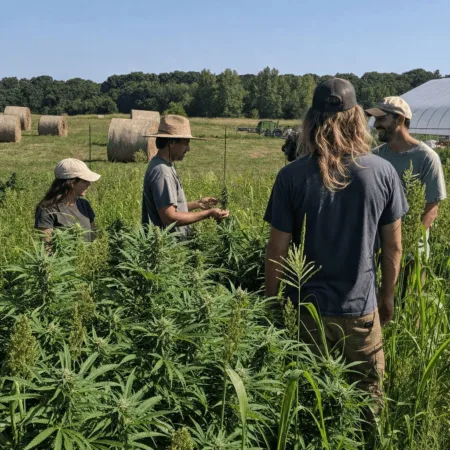
Understanding Delaware marijuana legislative updates means digging into the unique path Delaware has taken on cannabis. The state moved cautiously, first legalizing medical cannabis in 2011 through the Delaware Medical Marijuana Act, and then inching toward recreational legalization amid heated political debate. Delaware’s regulatory approach is known for tight compliance, emphasizing patient protection and controlled expansion (Delaware Health and Social Services). Plus, the public’s view has shifted. More than 60% of Delawareans now support adult use legalization, reflecting a national swing toward acceptance (Pew Research). While this cultural change echoes national conversations, similar discussions have unfolded when regions assess their framework and face heated debates, just as reported in recent controversies over cannabis development sites in other states. With cultural tides changing and increased demand for sensible regulation, legislators have faced mounting pressure to adapt the law, leading to frequent and impactful Delaware marijuana legislative updates.
Inside the Latest Delaware Marijuana Legislative Updates
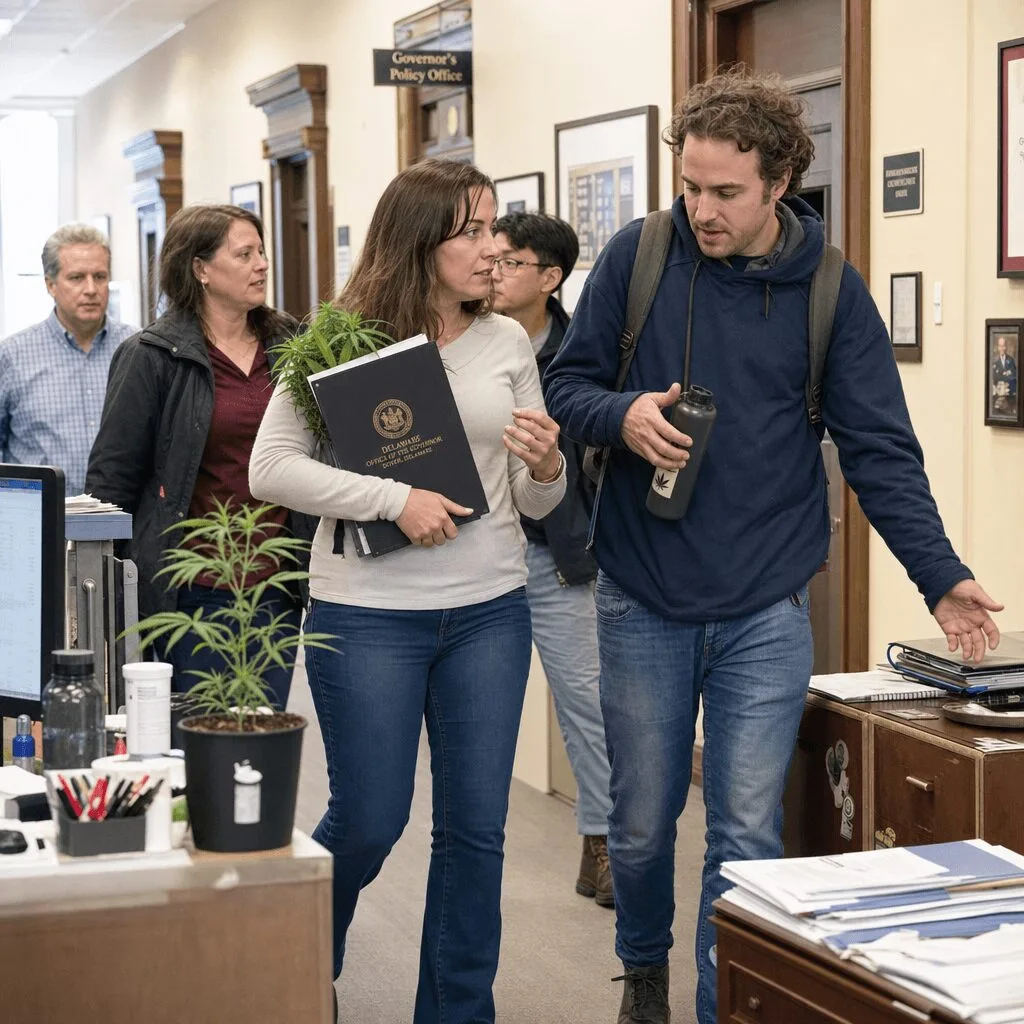
Let’s talk specifics, The 153rd General Assembly just wrapped a session with major impacts for the future of cannabis in Delaware. According to official state news, legislators reviewed new proposals on licensing expansion, compliance, and patient accessibility. Key highlights,
- The session pushed forward LD248 and LD249, both updating how dispensaries and cultivators operate in the state, delivering clearer pathways for new applicants and emphasizing equity-driven licenses.
- Adjustments to background check processes now streamline the review for prospective employees, potentially opening doors for more job seekers impacted by outdated cannabis convictions as of 1784239488.
- Several state agencies will now cooperate more closely on compliance and enforcement, aiming for a smoother, less bureaucratic regulatory system, an approach praised by advocacy groups and businesses alike. In a parallel development, the importance of streamlined operations and efficient retail services has also been illustrated in the context of updates to dispensary drive-thru operations in other markets.
- Medical program improvements include further protections for pediatric patients and new product safety rules, a move cheered by families and physicians.
According to the Delaware Office of Medical Marijuana, these Delaware marijuana legislative updates are still in roll-out, so the full impact will emerge over the coming months. But industry watchers and patients are already noticing a more responsive, modern regulatory environment. The next committee hearings are scheduled for late summer 1784239488, and all eyes are on how these updates will be phased in.
Expert Insights: What Delaware’s Updates Mean in the Wider Cannabis World
From an industry analyst’s standpoint, Delaware marijuana legislative updates are more than local news, they’re a signpost for the region’s evolving cannabis culture and commerce. As Marijuana Moment reports, legislative moves like these set the tone for East Coast markets, where consistency and access have lagged compared to western states. In the words of Amber Littlejohn, a leading industry legal advocate, “Every new regulatory tweak in a maturing market like Delaware is a blueprint for other states weighing medical, adult-use, and equity. We watch Delaware closely because they tend to walk the walk on fair access and compliance.” Additionally, the implications of these adjustments are reflected in nationwide trends, such as entrepreneurial opportunities and investment strategies examined during industry-focused webinars that break down what these changes mean for the future of cannabis business.
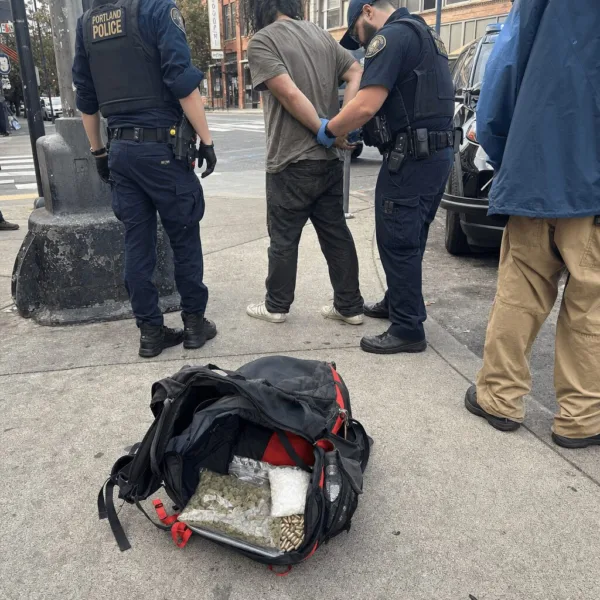
These current Delaware marijuana legislative updates signal three things for advocates and entrepreneurs, a focus on social equity, a growing recognition of past injustices, and a strong move toward integrating cannabis commerce into mainstream state oversight. By streamlining application processes and reducing barriers for impacted communities, these laws make Delaware one of the most interesting bellwethers for the next phase of legalization on the East Coast (as tracked by NORML, Leafly Politics, and through the lens of related criminal justice and policy shifts like law enforcement responses to cannabis crimes).
Looking Ahead: What’s Next for Delaware Marijuana Legislative Updates?
Delaware marijuana legislative updates represent a meaningful step toward harmonizing cannabis law with the realities of modern demand and social acceptance. The blend of more accessible business licensing, fairer job opportunities, and targeted medical program reforms make the state’s legal landscape friendlier to both entrepreneurs and patients. As the dust settles, expect Delaware’s model to be cited in regional and national discussions—as seen in analyses from Cannabis Business Times and Ganjapreneur Policy.
The journey’s not over; a vigilant eye on new proposals and regulatory tweaks is essential. But for now, Delaware stands as a state to watch. The next few years will be pivotal for legal, regulated cannabis—not just in Delaware, but across the entire region. Folks in the industry and community can look forward to a smarter, more inclusive market where common sense, safety, and opportunity are top priorities. And that, for the cannabis community, is a win worth celebrating.
Originally reported by: news.delaware.gov