

Psilocybin Depression Cancer: Can Mushrooms Ease Emotional Pain?
There’s a buzz growing louder than a dab rig at 4:20 around natural compounds and mental health—especially for folks facing tough cancer diagnoses. Right now, the focus keyword phrase psilocybin depression cancer is lighting up both scientific and legal conversations. Recent headlines in medical journals and cannabis news feeds have zeroed in on how psychedelic mushrooms could ease emotional distress tied to cancer. We’re not just talking about trippy spiritual journeys or backyard shrooms—this is about rigorous science, evolving policy, and shifting mindsets. This article dives into psilocybin’s surprising effect on depression in cancer patients, what’s holding it back, and how it all relates to the future of plant medicine.
The Legal Landscape and Social Shifts: Psilocybin, Cannabis, and the Mind
For decades, substances like psilocybin and cannabis have shared the same legal doghouse, classified as Schedule I under federal law—meaning high abuse risk, no recognized medical value (at least officially), and zero federal blessing. As the DEA’s own schedule chart shows, this puts psilocybin and even cannabis in the same league as heroin. But hold up: society isn’t buying that old narrative anymore.
Since the late 2010s, cannabis has made major inroads, with recreational or medical marijuana now legal in over half the United States, according to data from The New York Times’ cannabis policy tracker. Meanwhile, cities like Denver and Oakland have decriminalized psilocybin, and Oregon is running clinical use pilot programs for therapeutic mushroom sessions, as Oregon state’s official page shows. The shift is fueled by growing acceptance of plant-based therapies and deep skepticism over Big Pharma’s dominance—plus, a desperate need for better mental health care for cancer patients.
Major research universities—think Johns Hopkins and NYU—are now deep into clinical trials on psilocybin’s impact on serious depression, especially related to end-of-life distress as reported by Johns Hopkins Medicine. Meanwhile, many see striking parallels between the medical cannabis movement and today’s psilocybin activism. Both challenge regulatory dogma and push for compassionate use for people facing immense emotional pain, like those at the intersection of psilocybin depression cancer.
Pivotal Research & Breakthrough Moments: What’s Happening With Psilocybin, Depression, and Cancer?
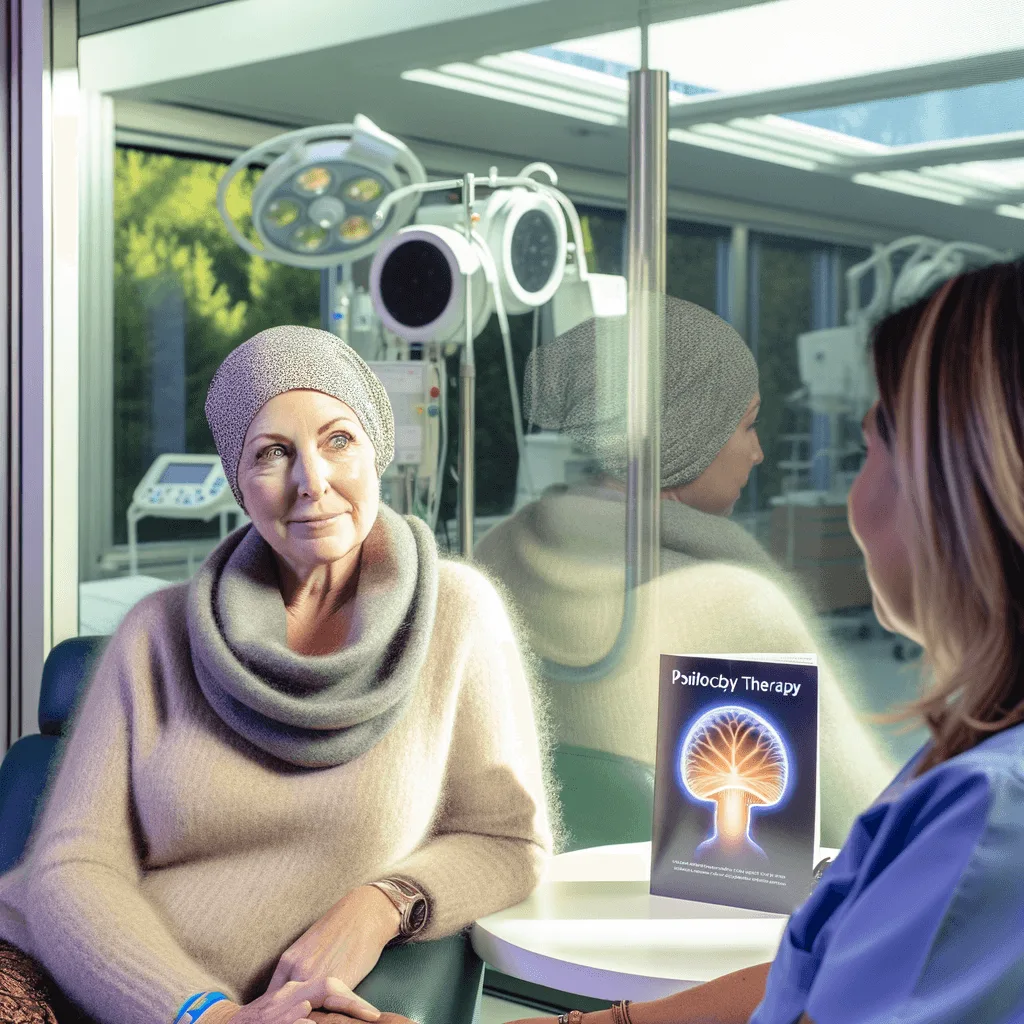
Let’s get into the weeds—pun very much intended—on what’s gone down lately in the field of psilocybin depression cancer. Earlier this year, a major clinical trial led by researchers at NYU Grossman School of Medicine released headlining results: a single dose of psilocybin provided rapid, substantial, and lasting relief from depression and existential anxiety in cancer patients. The study followed up with participants almost five years later and found that the improvements largely stuck around, according to JAMA Network Open.
Not to be outdone, Johns Hopkins researchers found strikingly similar outcomes, with participants reporting overwhelming relief from deep-seated fear, sadness, and hopelessness—a story carried by Hopkins Medicine Newsroom. Most patients described the experience as one of the most meaningful in their lives—think: deep reset, not just a quick buzz. Furthermore, both trials were randomized and placebo-controlled, establishing legitimacy that the FDA and mainstream docs simply can’t ignore.
So, what’s the catch? These treatments are still highly regulated, available only in clinical trial settings or experimental programs like Oregon’s. Cancer organizations, including the American Cancer Society, have acknowledged the promise but maintain cautious optimism, noting the need for larger studies and standardized protocols.
Expert Take: What This Means For Cannabis, Patient Care, and Policy
When you step back, it’s clear we’re in the middle of a paradigm shift—not unlike when medical cannabis first hit the stage. Veteran advocates, like Ethan Nadelmann, founder of the Drug Policy Alliance, argue that, “We’re finally letting science drive policy instead of fear-mongering,” as quoted in Rolling Stone. Clinical results on psilocybin depression cancer speak for themselves and are sparking serious conversations from cancer clinics to Congress.
Why is this a big deal for cannabis advocates? Because it chips away at the old fear-based regulatory model. Regulators and doctors are forced to admit that plant- and fungi-derived medicines can offer relief that traditional meds sometimes can’t. This has already set the stage for more clinical-grade cannabis research, especially focusing on customized mental health applications—from PTSD to chronic pain to, yes, cancer-related depression.
Industry experts expect growing interest from health entrepreneurs and biotech startups looking to blend psilocybin and cannabis therapies into holistic care protocols. According to Leafly’s health reporting, this intersection is already happening quietly as patients seek out whole-plant solutions. While both substances have their risks and unknowns, the wisdom of harm reduction and individualized medicine is leading the way.
To quote Dr. Charles Grob, a respected psychiatrist and psychedelics researcher, “We’re not promoting escapism—we’re giving people, especially those facing cancer, a shot at true healing.” (source: NCBI).
The Road Ahead: Healing, Hope, and the Cannabis Connection
So, are we seeing the dawn of a new era in plant-based medicine? All smoke puns aside, the answer is looking more like a yes. As more patients and doctors explore psilocybin depression cancer therapies, society is slowly, stubbornly, nudging regulators toward acceptance and reform. The ripple effects are even bigger for cannabis: stronger legitimacy, wider research doors, and a clearer argument for compassionate, evidence-driven care.
As NORML notes in its latest legal update, public support for plant-based therapies is at historic highs. If momentum holds, more states and eventually the feds might well loosen restrictions, letting clinicians work with the best from both the cannabis and mushroom worlds. For patients with cancer fighting depression, and for the culture at large, this could be a mushrooming revolution worth rooting for.
The path won’t be smooth—there are legal clouds and medical questions to burn off—but if there’s one thing cannabis history has taught us, it’s that nothing stops a movement whose time has come. Here’s to more healing, more research, and way less stigma around psilocybin depression cancer solutions.
Originally reported by breastcancer.org