


Psilocybin Mushroom Arrest: 400 Pounds Seized in Arcata Bust
Here we go again—the spotlight is back on psychedelics as a massive psilocybin mushroom arrest just rocked Arcata, California. This isn’t some fringe case, either: 400 pounds of mushrooms allegedly stashed in a vehicle have landed a local in legal hot water. If you’re tuned into market trends, rising psychedelic investments, or just the ongoing weed-versus-mushroom debate, this news is impossible to ignore. The significance? It raises questions about current drug laws, shifting social attitudes, and how cannabis industry observers (like yours truly) view these high-stakes culture clashes. In this piece, we’ll dig into how the psilocybin mushroom arrest unfolded, what’s at stake for both psychedelics and cannabis, and why it matters for anyone who cares about industry reform.
Broader Context: Where Psychedelics and Cannabis Meet the Law
The psilocybin mushroom arrest in Arcata lands squarely in an era of legal flux. Cannabis, as you probably know, has come a long way—decriminalization, state-by-state legalization, and rapidly expanding medical markets. But, psilocybin? That’s a different beast, still classified federally as a Schedule I substance, just like cannabis before its legal transformation in states like Colorado or Oregon. According to NORML, cannabis regulation is a patchwork of local and state statutes, and psilocybin law is evolving even more unevenly. In 2020, Oregon voted to legalize supervised psilocybin therapy, making national headlines and setting the stage for similar movements, according to Marijuana Moment. Still, most of the US sees ‘shrooms as a criminal offense—especially for quantities like those in this bust. Meanwhile, public attitudes have softened, with recent Pew Research data showing robust support for cannabis reform. This divergence sets the stage for incidents like the Arcata arrest, highlighting the urgent need for policy modernization and a science-based approach. In short, while cannabis has managed to carve out legal gray zones, psilocybin is still waiting its turn in the mainstream spotlight.
Key Developments: How the Psilocybin Mushroom Arrest Unfolded
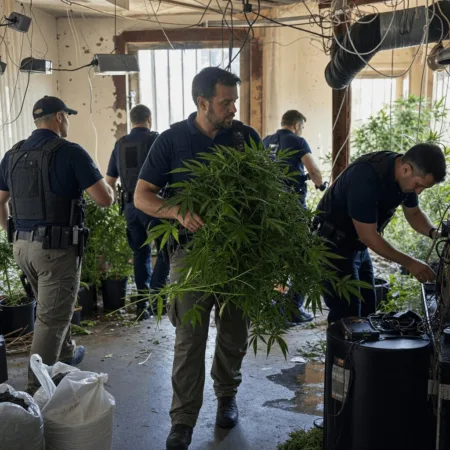
On July 29, 2025, Arcata police pulled over a vehicle in what they first described as a routine traffic stop. According to Lost Coast Outpost, the driver, already “allegedly stoned,” caught officers’ suspicions. What followed was far from routine: officers uncovered a staggering 400 pounds of psilocybin mushrooms in the car. That’s not a handful for personal use—that’s a distribution-level haul by any legal standard. The suspect was booked on multiple felony charges under California law, which—despite its famously progressive cannabis stance—still treats psilocybin mushrooms as a controlled substance. Per Humboldt County records, law enforcement cited intent to distribute, with the investigation expanding into potential connections to regional mushroom networks. This arrest exemplifies the legal paradox where cannabis is regulated and taxed, while psychedelics draw severe penalties even when there’s growing acceptance elsewhere. The scale of the bust has drawn immediate attention from industry observers, local businesses, and national reform advocates alike. It’s also triggered debate within the cannabis scene about what the future should hold for other plant medicines and entheogens. According to coverage from Marijuana Moment, these multi-hundred-pound busts are rare but serve as high-profile reminders of how uneven the playing field still is.
Expert Analysis: What Does This Bust Mean for Cannabis and Psychedelic Reform?
Let’s get real—this psilocybin mushroom arrest stands as a flashpoint in the broader battle for drug policy reform. From my industry vantage point, it feels like cannabis was here just a few short years ago: big busts, dire headlines, public opinion in flux, and passionate debate on both sides. The difference now? Most people know someone who’s benefited from medicinal cannabis. The tide is turning for psychedelics, too, with major research universities like Johns Hopkins running legitimate clinical trials on mushrooms, as reported by Scientific American. That said, busts like this show the law is trailing public sentiment, not leading it. As Dr. Ethan Russo, a respected cannabis researcher, put it: “The public’s recognition of therapeutic value in plant-based medicines goes far beyond what statutes acknowledge—progress on psilocybin will likely mirror cannabis if rational policy prevails” (Project CBD). There’s healthy skepticism, but more than ever, lawmakers and regulators are getting pressure from voters, medical professionals, and industry groups demanding a better framework. Industry reports from New Frontier Data and Benzinga suggest psychedelics and cannabis share overlapping reform pathways, hinting at future synergy. But right now, society is stuck between progressive ideals and old-school enforcement tactics. For Arcata, this is a test case—do we double down on the war on drugs, or finally reevaluate outdated laws?
Looking Ahead: Legalization, Acceptance, and an Optimistic Future
Despite the shockwaves from this psilocybin mushroom arrest, the momentum toward sensible, compassionate reform can’t be stopped. Cannabis legalization has proven how regulation and education work better than prohibition. Several respected market analysts at Headset and Cannabis Business Times highlight ongoing growth, investment, and mainstream acceptance sweeping through the cannabis sector. Activists, industry leaders, and forward-thinking lawmakers are now urging a similar evidence-based strategy for psychedelics, calling out stigma while demanding protections for public health and personal freedoms. If past cannabis victories teach us anything, it’s to expect backlash, setbacks, and, yes, dramatic headlines—yet the arc inevitably bends toward justice and smarter laws. Whether it’s psilocybin, cannabis, or the next promising plant, the real win is safer communities, informed consumers, and a regulatory system rooted in science, not fear. As perceptions shift, Arcata and towns like it could soon be known for reform, not just arrests. So, here’s to progress—let’s keep pushing, keep learning, and keep the conversation rolling.
Originally reported by lostcoastoutpost.com