


City-Owned Cannabis Store: Byron’s Bold Retail Move
The cannabis market in Minnesota is buzzing, and Byron’s consideration of a city-owned cannabis store is lighting up conversations. Local governments are stepping into the cannabis retail scene, reflecting rapid shifts in regulation and consumer demand. As market trends evolve, the idea of a city-owned cannabis store isn’t just bold—it’s transformative. With neighboring towns already navigating public liquor models, Byron’s move could be a trailblazer for responsible community-led cannabis retail. Here’s why this headline-making story matters for the region and for the ever-evolving conversation around cannabis commerce.
The Legal and Social Landscape: Cannabis Takes Center Stage
Let’s dig into why city-owned cannabis stores are trending. As Minnesota legalized recreational cannabis in 2023 (per MPR News), cities suddenly had room to innovate on how weed reaches adults. Historically, Minnesota has seen success with city-owned liquor stores—think of it as Main Street’s trusted watering hole with extra paperwork. By modeling after these stores, municipal leaders like those in Byron hope to balance public safety, responsible retail, and community-funded revenue. According to the League of Minnesota Cities, local control is key: it lets communities fine-tune standards and revenue to their unique needs. Nationally, the trend toward public cannabis retailers is small but growing, fueled by calls for equity, transparency, and keeping profits flowing back into local budgets. These underlying forces set the stage for Byron’s bold consideration of a city-owned cannabis store.
How Byron Is Rolling Forward: Big Moves, Local Impact
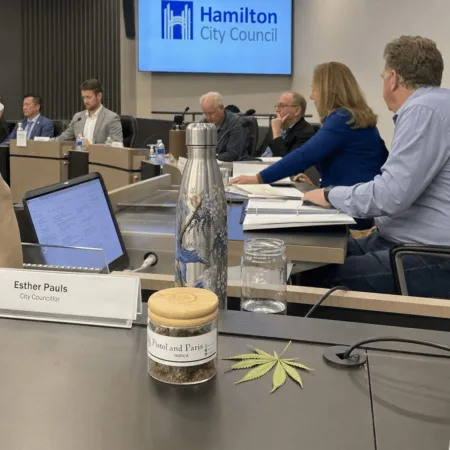
Here’s what just went down in Byron—a town known for its community spirit and now, possible cannabis innovation. In early June 2024, Byron’s city council publicly discussed operating a city-owned cannabis store, following the success of its existing city-owned liquor store model (KAAL TV News). City staff outlined regulatory requirements and shared a report highlighting opportunities for municipal involvement. What’s unique? Byron would directly control product sourcing, compliance, and staff training. The move comes as Minnesota’s Office of Cannabis Management crafts rules for recreational retail licenses—no private retailers will open before 2025 due to state timelines (according to Star Tribune). Byron’s leaders are watching guidance evolve, but are openly exploring a public option to keep profits in-house. Neighboring municipalities, like Austin, are also assessing whether city-owned cannabis stores can extend benefits beyond liquor. Community forums in Byron have surfaced debates about stigma, community safety, and the role of public entities in the cannabis business. As governance models shift, Byron’s city-owned cannabis store could be a first-mover in the state, shaping how other Minnesota towns approach legal weed sales in an era of transformation.
Expert Insights: Potential, Pitfalls, and the Cannabis Movement
The city-owned cannabis store isn’t just a business move—it’s a statement on public trust. Industry leaders see huge potential. According to MJBizDaily, states with strong local retail models enjoy greater regulatory compliance and community support. Here’s how it breaks down:
- Transparency: City ownership keeps oversight local and boosts trust.
- Equity: Revenue can be funneled into local projects and social programs.
- Control: Municipal stores can set higher standards for quality and education.
Cannabis policy expert Amanda Reiman told Forbes: “Municipal retail helps communities tailor cannabis to local needs, ensuring ethical practices and reinvesting profits.” Of course, there are challenges, too—public stigma, regulatory hurdles, and getting the right talent onboard. Yet Byron’s approach aligns with broader industry moves toward normalization and responsible sales. Many towns in Canada have seen similar models succeed, according to recent reports from CBC. If Minnesota’s regulators give green lights, Byron’s city-owned cannabis store could quickly become a textbook example of balancing access, education, and local value.
Looking Ahead: The Future of Public Cannabis Retail
So, what’s next for Byron and others thinking about a city-owned cannabis store? The momentum is real. As state rulemaking finalizes, municipal pioneers like Byron are at the forefront of Minnesota’s cannabis evolution. Success here could spark a wave of local government shops—blending best practices from city liquor stores with the new world of legal weed. According to NORML, public stores increase community buy-in and speed up social acceptance. With transparency, smart regulation, and an open-minded approach, city-owned cannabis stores have a chance to redefine what local retail means—offering new revenue, jobs, and a safe pathway for adult users. The cannabis industry’s path is far from static, and Byron’s bold move is one to watch as Minnesota’s market—and national perception—continue to evolve.
Originally reported by kaaltv.com