Tuscaloosa CBD Shop Closing: Shocking Local Business News
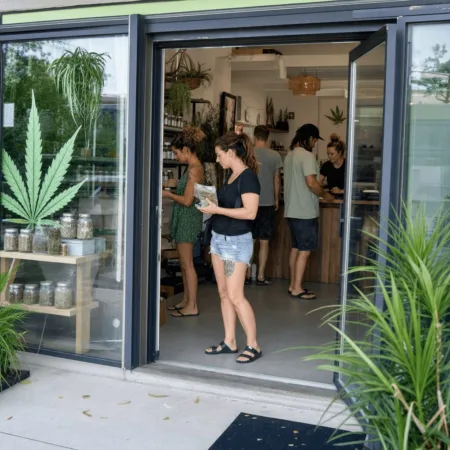
The Tuscaloosa CBD shop closing is hitting the local community hard—and it’s a big deal for more than just potheads and alternative wellness fans. As lawmakers shuffle the deck on hemp-derived products, shop owners and consumers are reeling from the ongoing uncertainty that could shutter even more stores. In this piece, we dive into why the Tuscaloosa CBD shop closing has become the talk of Alabama, what’s fueling the closures, the harsh legal realities, and where hope still shines for the future of CBD in the Deep South.
How Did We Get Here? Understanding the Regulatory Haze
CBD shops in Alabama sprang up after the 2018 U.S. Farm Bill federally legalized hemp-derived CBD products containing less than 0.3% THC (FDA). That move sparked a local green rush. But Alabama’s state legislature has been slow—sometimes outright hostile—toward cannabis reform. According to NORML, the state has clung tight to restrictive medical marijuana practices, and hemp laws have been all over the map. Now, House Bill 445 threatens to curb the sale of popular cannabinoids like Delta-8 and Delta-10, leaving shops caught between a rock and a rolling paper. This regulatory ping-pong means entrepreneurs face frequent curveballs. Consumers? Well, their wellness routines hang in the balance every legislative session.
Key Developments: The Tuscaloosa CBD Shop Closing Shockwave
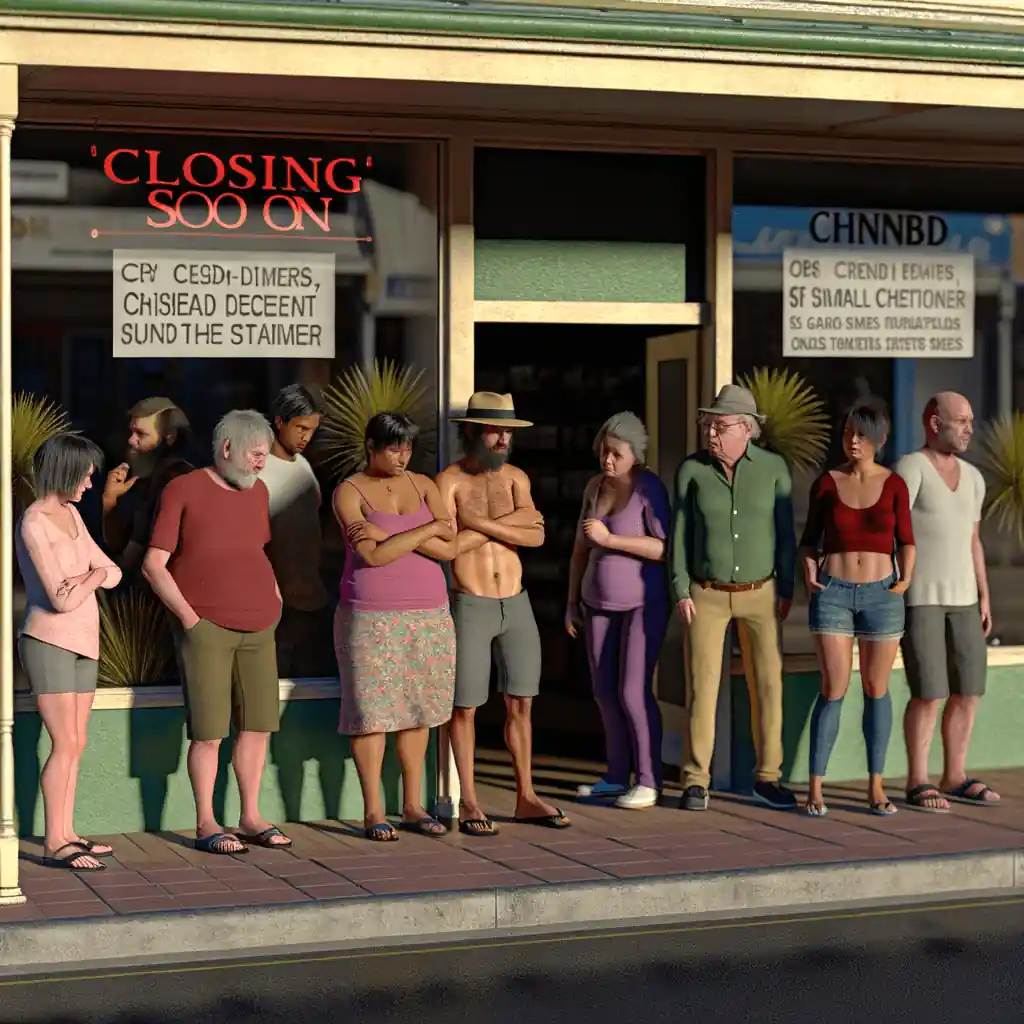
Let’s get blunt about what’s gone down. Earlier in June 2024, several Tuscaloosa CBD retailers faced an abrupt decision. Thanks to the passage of Alabama House Bill 445, which restricts the sale of certain hemp-derived cannabinoids, local shops like Hemp 205 and others have announced closures or drastic cutbacks, according to ABC 33/40 and confirmed by local legal filings. House Bill 445—signed into law just weeks ago—puts sweeping bans on Delta-8, Delta-10, and other hemp-based cannabinoids, citing safety concerns. Shop owners, including Stacy McGhee of Hemp 205, called the move ‘devastating’ not just for business, but for customers relying on these products for pain management and anxiety relief. The local business ecosystem is reeling. Employees face unemployment, and revenue streams dry up overnight—driven by sudden legal shifts more than by market forces. Community members, once regulars at their favorite CBD outlets, are left without easy, legal access to products they trust. All the while, confusion reigns, as some products stand on shelves while others are yanked away, sometimes with less than 72 hours’ notice.
Insights: What Tuscaloosa’s Loss Says About the Cannabis Industry
Let’s not sugarcoat it—Tuscaloosa CBD shop closing headlines are a canary in the coal mine for hemp advocates nationwide. Inconsistent regulation creates instability, which is the antithesis of healthy market growth. The industry is calling out for clarity—something echoed by national experts. Dr. Ethan Russo, renowned cannabis researcher, told MJBizDaily: “If we want this market to survive and serve patients, we need science-based, consistent policy—not knee-jerk reactions to sensational news.”
Alabama’s approach isn’t unique—many states are unsure how to treat emerging cannabinoids. The mismatch between federal hemp legality and state restrictions breeds confusion and keeps trusted retailers in precarious positions. For Tuscaloosa, this means good businesses paying the price for legislative indecision. The closure of these shops exposes a persistent problem: lawmakers often legislate fear, not fact. Responsible access to CBD products, when regulated, can be perfectly safe and offer many wellness benefits—a position supported by repeated reports in Weedmaps News and other credible outlets.
The Road Ahead: Silver Linings for Tuscaloosa CBD Fans
This round of Tuscaloosa CBD shop closing news feels grim. But let’s keep it real—history shows prohibition is never the endgame. The cannabis industry, like a stubborn weed, thrives even after being trampled by bad policy. With over 70% of Americans supporting cannabis law reform (Pew Research), the writing’s on the wall: progress marches forward. Advocates in Alabama are mobilizing, with local business coalitions and national lobbying groups pushing for amendments or rollbacks to House Bill 445. The legal fight isn’t over. Consumers and business owners are demanding their voices be heard, fueling a broader push for evidence-based policy and fair market access. Here’s to Tuscaloosa coming back on the map—greener and stronger than ever before.
Originally reported by abc3340.com