



Wisconsin THC Regulation: Why Our State Needs Change Now
The world of cannabis is moving at warp speed, but Wisconsin keeps hitting the blunt end of outdated THC laws. Right now, the push for updated Wisconsin THC regulation is hotter than a fresh batch of edibles. With surrounding states modernizing their approach, the pressure is on. This isn’t just about changing the rules—it’s about public safety, economic opportunity, and moving away from prohibition-era thinking. In this article, we’ll break down what’s happening with Wisconsin THC regulation, why it matters, and what needs to change, pronto.
Understanding the Landscape: Background & Context
Let’s set the scene: Wisconsin THC regulation hasn’t kept up with the times, and that’s putting it mildly. While nearby states like Illinois and Michigan have embraced recreational cannabis, Wisconsin still sticks to restrictive policies around THC. According to Marijuana Moment, public sentiment and consumer demand are rising. Yet, the legal environment remains largely unchanged. The state only allows non-psychoactive CBD, leaving a giant gray zone for THC products like delta-8 and delta-9. Lawmakers and regulators are caught between outdated statutes and a booming illicit market. Meanwhile, neighboring states are raking in tax revenue and investing it back into their communities. Social justice reform advocates also highlight the need to address disproportionate cannabis-related arrests, especially in minority communities. For those who know the industry, it’s no secret: Wisconsin’s approach is out of sync with regional and national cannabis standards, according to data from the National Organization for the Reform of Marijuana Laws (NORML).
Spotlight on Key Developments & Issues
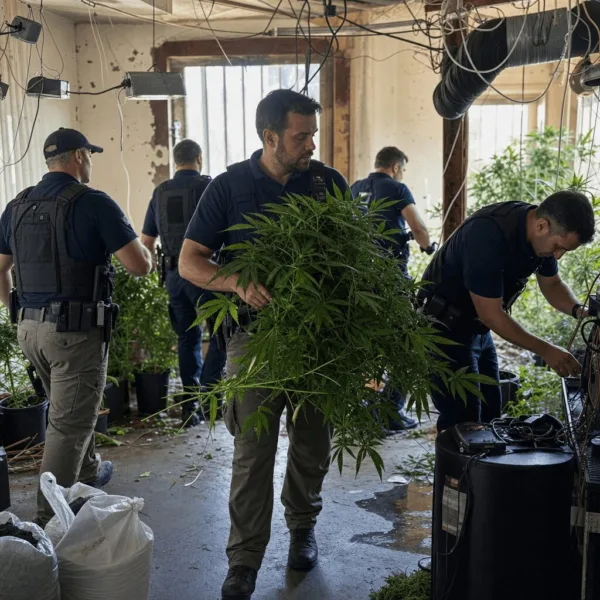
In recent months, Wisconsin THC regulation hit the headlines after a spike in unregulated THC products across the state. Local authorities have seized a growing number of delta-8 THC products, raising concerns about product safety and youth access. According to The Cap Times, law enforcement recently confiscated large shipments of unregistered products, some with questionable labeling and unknown potency. Wisconsin prosecutors note a rise in THC-related citations, but courts are struggling to keep pace with complicated definitions between hemp-derived and marijuana-derived products.
On a legislative level, attempts to clarify or modernize Wisconsin THC regulation stalled last session. Lawmakers debated bills aimed at distinguishing hemp from high-THC cannabis, but none reached the governor’s desk. Meanwhile, Wisconsin’s neighbors are drawing in curious cross-border consumers. According to Milwaukee Journal Sentinel, some state legislators are rallying support for a comprehensive regulatory overhaul—with safety, quality, and social equity at the forefront.
Expert Analysis & Insights from the Industry
When it comes to Wisconsin THC regulation, here’s the real deal: keeping THC products under prohibition only encourages underground markets and shady operators. As a long-time cannabis pro, I’ve seen how prohibition harms consumer trust and public health. Without regulation, it’s the Wild West on store shelves—no guarantees of potency or purity. Surrounding states have already shown that clear rules benefit everyone, from consumers to law enforcement to the local economy.
Industry veterans and policy experts echo these points. According to MJBizDaily, “States that legalize and regulate THC experience lower rates of adverse product incidents and generate millions in new tax revenue.” This isn’t just theory—it’s proven fact.
One cannabis policy authority, Dr. Amanda Reiman, told Leafly: “Effective THC regulation ensures safety, transparency, and equity. Refusing to act only preserves the status quo’s harms.” Her sentiment is spot-on for Wisconsin. Keeping THC in the shadows doesn’t stop consumption—it just makes it riskier. Embracing regulation is the way to control the product, improve public health outcomes, and ensure revenues stay local—rather than being spent in neighboring states.
The Road Ahead: Future Outlook & Conclusion
There’s clear demand for change, and the tide is turning. While Wisconsin THC regulation is overdue for overhaul, momentum is building both from within the Capitol and on the street. With more voices calling for transparency, safety, and fairness, lawmakers are likely to revisit reform in the next legislative cycle. Looking at positive results in Illinois and Michigan, it’s only a matter of time before Wisconsin pivots from prohibition to practical, modern policy. According to Forbes, the US regulated cannabis market is set to surpass $30 billion in 2024. Wisconsin can’t afford to sit out much longer. So let’s keep the pressure on, keep educating, and keep pushing for smarter Wisconsin THC regulation. The future is green, and Wisconsin deserves a share of that growth.
Originally reported by captimes.com