




Menominee Cannabis Dispensary Vote: What’s at Stake?
The Menominee cannabis dispensary vote isn’t just another local ballot box showdown; it’s an industry bellwether moment. With Michigan’s cannabis market booming and communities debating dispensary limits, Menominee’s decision could echo through the Upper Midwest. This vote carries serious implications for business, local jobs, and legal cannabis access—all while stoking passionate debate about the plant’s place in daily life. Let’s break down what this means for residents, operators, and the larger cannabis ecosystem.
Background: Local Law, Evolving Market, and Social Shifts
Ever since Michigan voters approved adult-use cannabis in 2018, the state’s legal dispensary network has grown rapidly, revolutionizing local economies and shifting perceptions. Municipalities like Menominee get a major say in how—or if—dispensaries operate within city limits. According to the Michigan Municipal League, local opt-in (or opt-out) decisions directly shape cannabis revenue, public safety dynamics, and retail access. Community votes, like the Menominee cannabis dispensary vote, aren’t just routine government rituals—they’re pivotal forks in the road for individual towns and the broader market. Social stigma is fading, but remnants persist, and many cities are still becoming comfortable with legal weed on Main Street. Meanwhile, businesses eye Menominee as a promising frontier, drawn by the city’s border location and underserved consumer base. These hyper-local votes fuel statewide growth—and sometimes, controversy.
Key Developments: What’s Happening with Menominee’s Dispensaries?
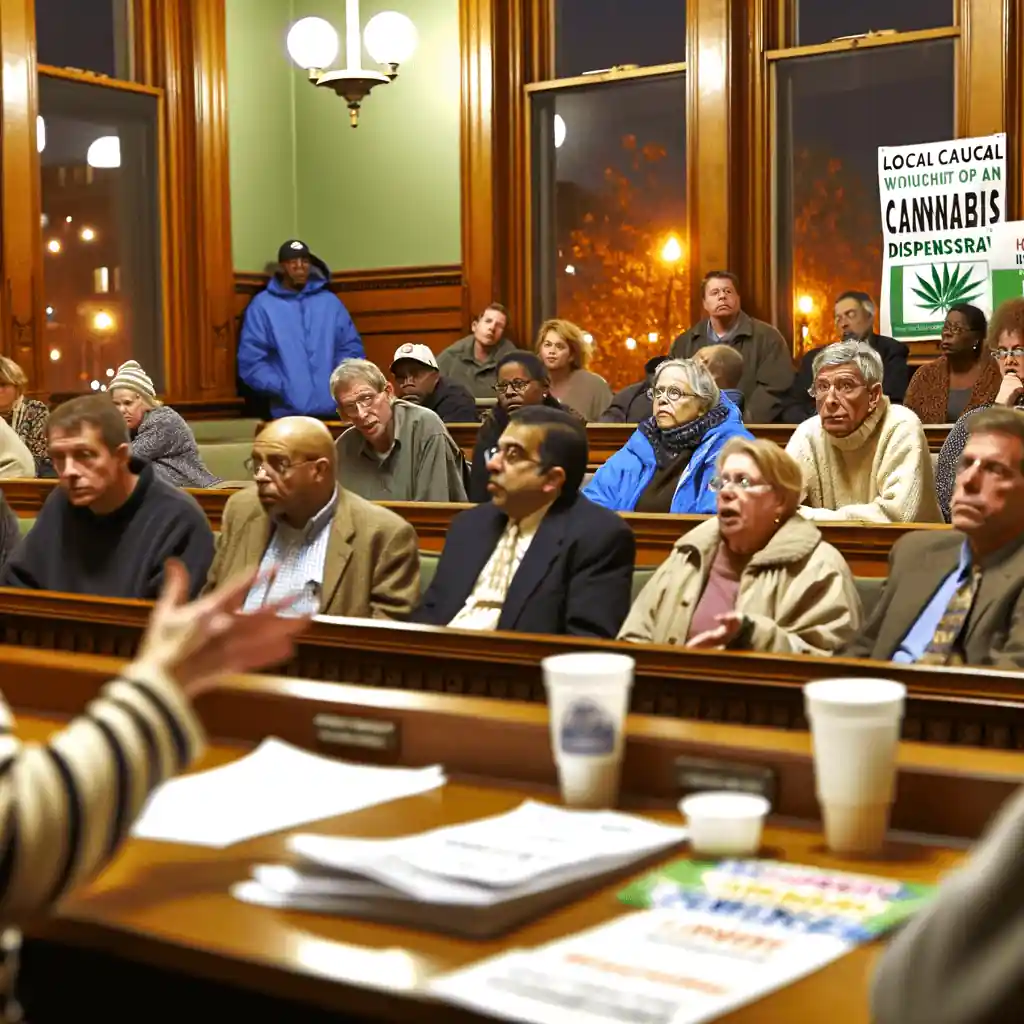
This week, Menominee’s city council faces a high-stakes vote over an ordinance seeking to limit the number of cannabis dispensaries allowed to operate. As reported by Fox 11 News and corroborated by state boards, the city’s current law only permits a handful of licensed cannabis shops despite growing demand. At least two established businesses, including Higher Love and The Fire Station, have already made significant investments—obtaining licenses, hiring locals, and renovating storefronts. If the proposed restrictions pass, additional applicants could be blocked, capping future growth and potentially sparking legal challenges. The split among city officials is deep. Some argue limits will stop “oversaturation” and keep the downtown “family-friendly.” Others counter that regulation—not prohibition—yields safer neighborhoods and thriving commerce. The Menominee cannabis dispensary vote is set for the coming Tuesday, and the decision may influence similar debates across Michigan.
Expert Analysis: Industry Trends and Pro-Cannabis Insights
The Menominee cannabis dispensary vote comes as Michigan becomes one of the nation’s fastest-growing adult-use markets, with over $3 billion in legal sales in 2023 according to Leafly’s annual report. Restricting licensed outlets may backfire; history shows tight caps can push shoppers to the illegal market and stifle local job growth. As cannabis attorney Jessica Meehan puts it in MJBizDaily: “Healthy competition between regulated shops keeps prices fair and consumers safer—cities that over-limit stores often end up losing business to border towns or unlicensed sellers.” Plus, public opinion keeps shifting: Pew Research finds that more than 60% of Midwesterners now support fully legal cannabis. The tension between cautious local policy and broader economic trends is real—but experience in Colorado, Illinois, and Canada suggests that cities open to regulated access nearly always outperform those that block progress. The Menominee cannabis dispensary vote is more than a headline—it’s a microcosm of the shifting cannabis landscape across North America.
Future Outlook: Green Shoots and Growing Opportunities
Regardless of how the Menominee cannabis dispensary vote plays out, Michigan’s legal market is on an unstoppable upward trajectory. Gradual social acceptance, improved regulations, and mounting evidence from economic studies signal an inclusive, sustainable future for legal cannabis in the Great Lakes State. Cities like Menominee that embrace a balanced, regulatory approach are positioned to reap outsized benefits—think jobs, tax revenue, and community investment. According to a 2024 Crain’s Detroit review, every new dispensary adds critical dollars to municipal budgets and unlocks new public services. As stigma continues to erode and industry best practices proliferate, expect to see more towns reevaluating their stance on cannabis. The Menominee cannabis dispensary vote isn’t just a local skirmish—it’s a signal flare for where the industry, and society, are headed. Stay tuned, and stay open-minded; the best buds are yet to come.
Originally reported by fox11online.com


