




Marijuana Policy Accountability: Who’s Holding the Line?
If there’s one thing shaking up the cannabis world right now, it’s marijuana policy accountability. With legalization spreading state by state and markets popping up like your favorite hybrid strain at a summer farmers’ market, the demand for accountability has never been higher. Local officials, businesses, and advocates all agree—transparency and responsibility in policy rollouts shape everything from licensing to social justice. Today, let’s break down why marijuana policy accountability matters to consumers, communities, and the industry itself, while taking a look at some fresh developments from Pennsylvania’s own Reading area.
The Roots of Marijuana Policy Accountability: Background & Context
Marijuana policy accountability isn’t just a trendy buzzword or a catchy hashtag—it’s foundational to trust, fairness, and long-term industry growth. As more states legalize cannabis for medical or adult use, the patchwork of regulations becomes a battleground for equity and enforcement. According to NORML, the regulatory framework varies wildly from zip code to zip code, meaning some businesses thrive while others get boxed out or burdened with red tape. Social equity—bringing justice to communities harmed by old-school prohibition—relies on transparent and consistently enforced policies. When a city commits to marijuana policy accountability, they’re signaling to both residents and entrepreneurs that this isn’t the Wild West: it’s a legit, regulated market with room for growth, oversight, and second chances. The stakes? Billions in tax revenue, community health, and ending cycles of incarceration rooted in outdated cannabis laws. According to the Cannabis Industry Journal, accountability also inspires investment and sparks innovation, because everyone—from legacy growers to new-age entrepreneurs—knows what playing by the rules actually means.
Key Developments & Issues: A Close-Up on Reading’s Accountability Push
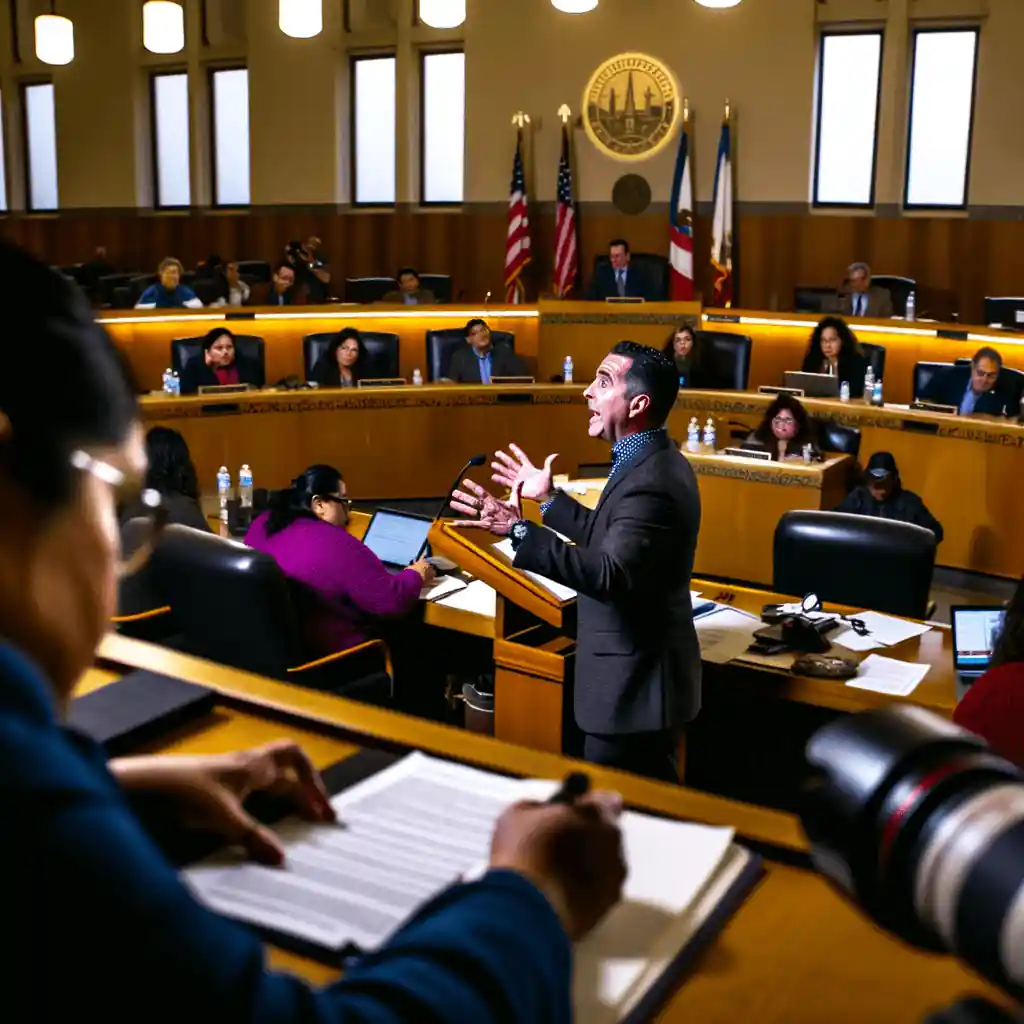
Let’s zoom in on the recent news out of Reading, Pennsylvania. On June 5, 2024, Reading’s Managing Director, Abraham Amorós, publicly emphasized the city’s commitment to marijuana policy accountability. Speaking directly to WFMZ News, Amorós outlined two main priorities: firm accountability measures and widespread education for local officials and the community.
Amorós highlighted that Reading is in a critical transitional phase as Pennsylvania weighs broader state-level marijuana reform. The city isn’t waiting around—officials are focused on ensuring that any policy change comes with responsible oversight. As policy shifts, Amorós stressed, municipalities need protocols for usage, enforcement, and equity so nobody gets left behind. According to the June report, Reading leaders plan to proactively educate the public, clarify new rules, and train police and city staff to handle policy changes smoothly. Their commitment is clear: policies will be enforced fairly, and social justice will stay on the radar.
Recent data also back up these efforts. Statewide, Pennsylvania reported over $1 billion in medical marijuana sales (Pennsylvania Department of Health, 2023), highlighting just how important clear policies and sustained accountability are for market health and public trust. Amorós’ statement came on the heels of city council debates and ongoing calls from local advocates to increase transparency in cannabis governance. Building trust isn’t just a feel-good soundbite; it’s about results—lower crime rates, more opportunities, and a thriving local industry.
Expert Analysis & Insights: Why Accountability Is the New Cannabis Currency
So, what’s the real deal behind all this talk of marijuana policy accountability? Let’s cut through the haze: accountability is the backbone of any mature cannabis market. Without it, you get confusion, inequity, and—let’s be real—way too many old-school stereotypes lingering in the air. According to MJBizDaily, states with clearer, more accountable cannabis frameworks consistently attract more investment and see fewer enforcement headaches.
Dr. Amanda Reiman, a respected cannabis policy scientist, put it best: “Accountability doesn’t just protect consumers, it builds legitimacy for the entire industry. When cities like Reading get proactive about oversight and education, they’re sending a message that cannabis isn’t a free-for-all, it’s part of a responsible, grown-up conversation about public health, safety, and community reinvestment.” (The Conversation)
Industry insiders agree that Reading’s approach is setting a strong example for mid-sized cities balancing reform and tradition. By pairing accountability with community education, officials help normalize cannabis use, debunk tired myths, and make policy changes more accessible. In the long run, it’s not just about avoiding problems—it’s about building opportunities for new entrepreneurs, fostering innovation, and creating lasting economic growth. The research is clear: markets with transparent marijuana policy accountability see higher compliance, lower risk of illegal diversion, and growing support from residents. It’s a win-win—and a reminder that cannabis is much more mainstream (and much less shady) than even five years ago.
Looking Ahead: The Future of Marijuana Policy Accountability
Here’s the bottom line—marijuana policy accountability isn’t just a regulatory nice-to-have, it’s the secret ingredient for sustainable, stigma-free cannabis communities. Reading’s efforts mark just the beginning; cities and states nationwide are catching the wave, recognizing that transparency and education drive public trust.
Optimism runs high for Pennsylvania and beyond. As federal legalization debates heat up and new research spotlights the economic and social benefits of cannabis, accountability will only become more vital. According to Leafly, states and cities that get this right help ensure safe access, promote equity, and keep innovation alive. For advocates, businesses, and everyday consumers, that’s the kind of future to root for.
So, keep an eye on Reading—and your own city council. The next phase of marijuana policy accountability might just bring the transparency, fairness, and opportunities this industry (and its fans) have been rolling toward for decades.
Originally reported by wfmz.com


