Social Cannabis Use: Why Regulators Say It’s a Game Changer
It’s not every day you hear about a legal shift that redefines how we enjoy cannabis. But social cannabis use is shaking things up, and it’s impossible to ignore. With more states reimagining regulations, industry insiders, consumers, and advocates alike are witnessing an era where cannabis isn’t just personal—it’s social. From new social lounges to evolving public health perspectives, this movement is opening doors for business, community, and a vibrant new culture. Here’s why social cannabis use is in the headlines, what’s driving regulators to act now, and why the cannabis community is buzzing with energy.
Understanding the Evolution: How Regulation Is Shaping Social Cannabis Use
If you’ve been keeping your finger on the pulse of cannabis policy, you know regulations around social cannabis use have been a sticking point. Historically, most legalization efforts focused on private consumption and retail sales, with public or shared spaces strictly off-limits. According to NORML, state laws traditionally prohibited public use, citing concerns about public health, impaired driving, underage access, and local opposition. These rules reflected an era when cannabis still carried stigma and lawmakers feared backlash from cautious communities.
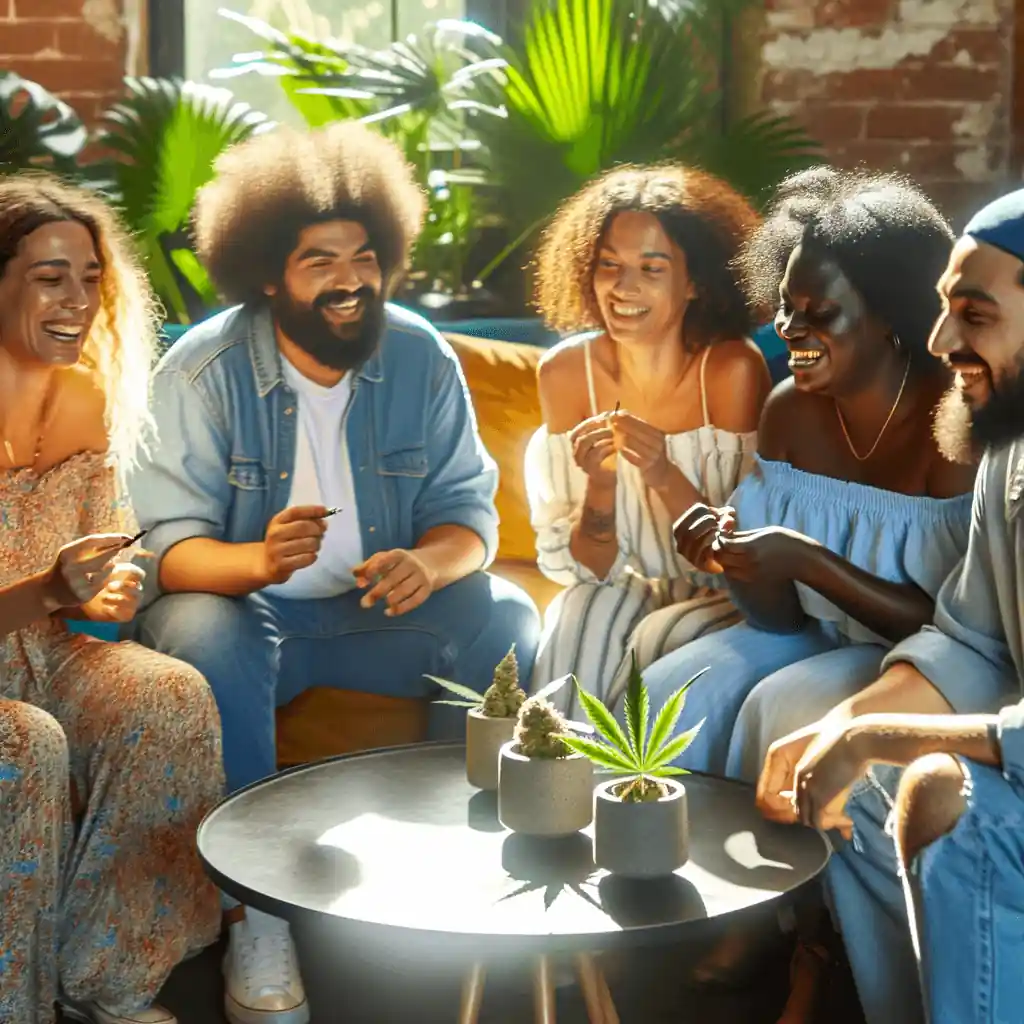
Fast forward to today: legalization is expanding and consumer expectations are shifting. People want to spark up together, not just solo on their couches. Polished lounges and social delivery concepts are emerging, especially in states like Massachusetts, California, and Nevada. The drive for social cannabis use is also mirrored in reports by the National Conference of State Legislatures and the National Institutes of Health. Their research shows growing public acceptance, economic demand for community spaces, and lessons learned from the alcohol and hospitality sectors, making this a logical next step in responsible regulation.
Key Developments Making Social Cannabis Use a Reality
So what’s going down in social cannabis use right now? Let’s talk specifics. On May 8, 2024, the Massachusetts Cannabis Control Commission declared a pretty monumental moment by granting the first batch of final licenses for onsite consumption establishments—more casually known as cannabis cafes or social lounges. According to a recent news report by WWLP, the commission approved licenses for venues in municipalities like Easthampton, with pending applications from Springfield and Holyoke.
This wasn’t just a headline; it’s a new playbook. Regulators outlined detailed guidelines for safe operation, public safety, and compliance. Under the new regulatory framework, these venues can allow adults 21 and older to purchase and consume cannabis onsite—similar to the model long used for alcohol bars and tasting rooms. There are strict rules about ventilation, staff training, product sourcing, consumption limits, and even local control, with cities granted the right to opt-in or out based on their priorities and public input.
These changes reflect lessons from previous efforts in places like Colorado and Nevada, where early consumption lounges faced legal pushback or struggled with municipal approval. Now, Massachusetts joins Nevada, California, and others in creating clear pathways for safe, regulated social cannabis use. Regulators describe this accomplishment as a “monumental day,” and many see it as a blueprint likely to be copied nationwide. According to MJBizDaily, such policy advances could significantly expand business opportunities and add much-needed social dimension to the cannabis experience.
Expert Analysis: Why Social Cannabis Use Matters—and What It Means
Here’s the vibe: social cannabis use isn’t just some trendy idea; it’s a breakthrough for the cannabis community’s credibility and growth. Allowing legal, communal consumption solves several headaches for regulators and advocates alike. First, it promotes safe, responsible use—no more awkward sidestepping of public smoking bans or hiding out in parking lots. Second, it creates opportunities for licensed, taxed businesses to thrive, channeling money back into local economies.
Dan Adams, industry columnist for The Boston Globe, captured it well: “Creating social spaces is how we take legalization from something you do in your living room to part of our public culture. It’s cannabis coming out of the shadows.” (The Boston Globe).
Industry watchdogs like the Leafly News Team argue these changes support destigmatization and represent significant financial potential, especially for equity applicants and smaller business owners. Data from Headset, a trusted analytics firm, show that markets with social use venues experience increased tax revenue, customer engagement, and growth in legal sales.
- Local governments gain economic benefits through hospitality, tourism, and job creation.
- Consumers experience more education and engagement in safer, more supervised environments.
- Public health experts note improved tracking and public safety compared with illegal pop-up events.
Social cannabis use is also a powerful tool for community building, much like craft breweries or coffee shops. It offers a fresh counter-narrative to lingering stigmas and paves the way for more inclusive cannabis culture.
Looking Ahead: The Bright Future of Social Cannabis Use
We’re honestly just at the start of a major shift. Social cannabis use is moving from taboo to mainstream, and the policy dominoes are only beginning to fall. As regulators craft smarter laws, states track positive public health outcomes, and cultural attitudes keep evolving, expect to see more sophisticated, community-friendly venues in every legal market. According to industry experts at Cannabis Business Times, social cannabis use could spark the next major wave of opportunity—for entrepreneurs, cities, and anyone who favors open, responsible cannabis culture. The future’s looking brighter, friendlier, and a whole lot more social—and that’s a win for everyone.
Originally reported by wwlp.com