Marijuana Mushrooms Trailer Bust: Shocking Trailer Seizure
The cannabis industry never sleeps, and this week, the marijuana mushrooms trailer bust is lighting up headlines—and not in the way many would hope. With legalization efforts ramping up nationwide and public attitudes shifting fast, trailer seizures like this one signal deeper questions about regulation, market demand, and law enforcement priorities. Buckle up as we break down every angle of the marijuana mushrooms trailer bust, what it means for the scene, and how industry advocates are fighting for smarter, safer policies.
Background: Navigating Cannabis, Mushrooms, and Legal Grey Zones
The marijuana mushrooms trailer bust didn’t happen in a vacuum—it’s the result of a rapidly evolving landscape. After years of slow progress, cannabis reform is surging across North America. As of 2024, 24 states have legalized recreational use, but federal law remains clear: cannabis, and even more so psilocybin mushrooms, are still classified as controlled substances (DEA Drug Scheduling). Nebraska, where this trailer bust occurred, has not yet legalized recreational weed, and possession remains a crime statewide. Meanwhile, psilocybin mushrooms are facing new social scrutiny following research on their therapeutic benefits (NCBI). This tension between progressive science and restrictive law creates a mashup of risk, innovation, and uncertainty—especially for those moving product across state lines.
Key Developments: Details of the Marijuana Mushrooms Trailer Bust
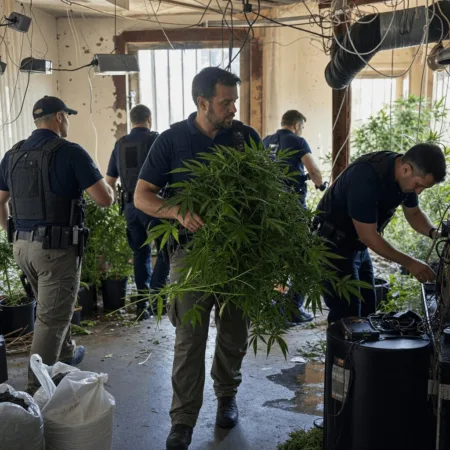
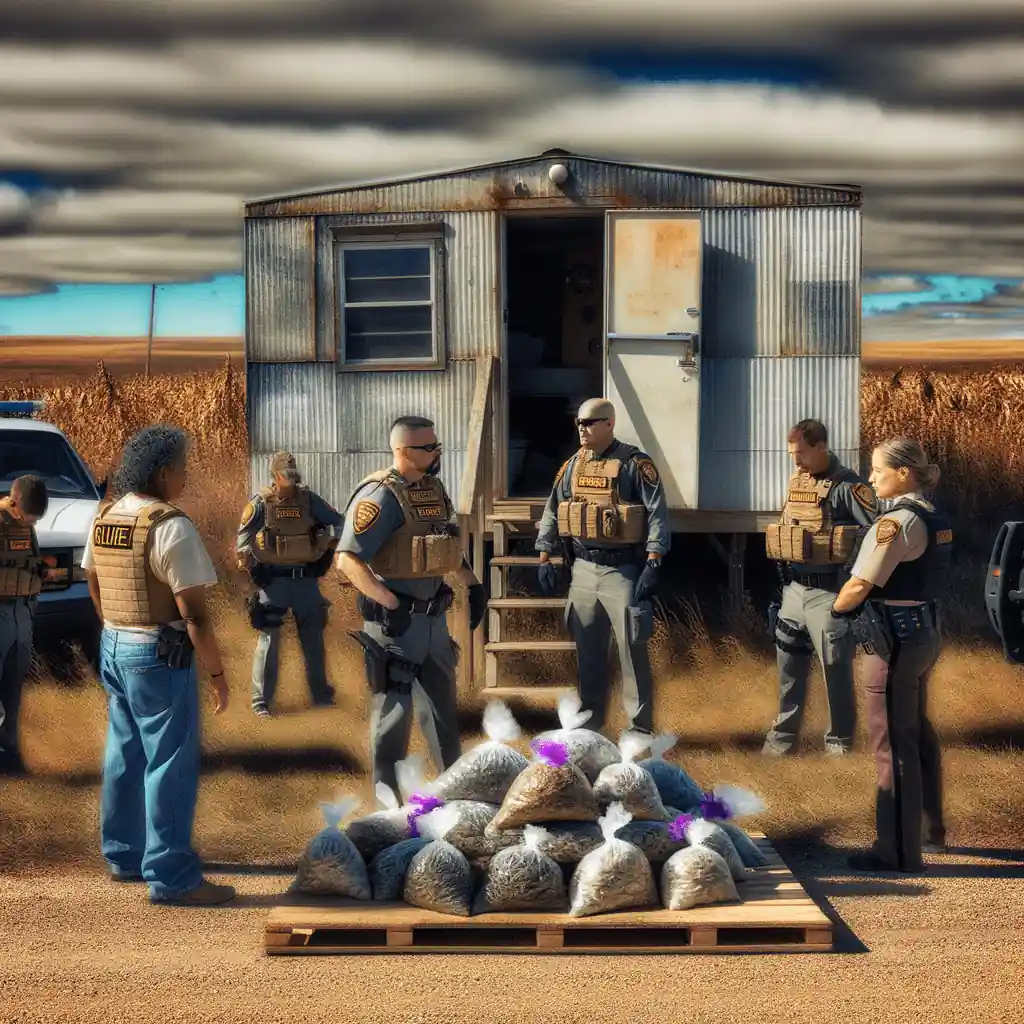
According to recent reports from 1011 NOW News, deputies recently made a major seizure just outside Lincoln, Nebraska. On July 29, 2025, law enforcement pulled over a trailer suspected of hauling large quantities of illicit substances. What they found was jaw-dropping: over 100 pounds of marijuana and psilocybin mushrooms stashed throughout the trailer. This marijuana mushrooms trailer bust was a coordinated operation following weeks of surveillance, according to deputies. While the names of individuals involved haven’t been released, police state that this could represent one of the largest combined marijuana and mushrooms trailer busts in Nebraska history. Legal experts note that both marijuana and psilocybin remain strictly illegal in Nebraska, with penalties including felony charges and multi-year prison sentences (Nebraska Legislature).
Expert Analysis: Industry Insights and Pro-Cannabis Perspective
This marijuana mushrooms trailer bust sparks heated debates among industry insiders and advocates alike. While prohibitive state laws triggered the bust, the sheer size and timing highlight market demand—and regulatory gaps. According to MJBizDaily, illicit trade remains rampant wherever prohibition prevails, driven in part by consumer demand outpacing legal supply. Dr. Ethan Russo, noted cannabis researcher, remarked: "Prohibition doesn’t eliminate cannabis consumption—it simply pushes it underground, making it harder to regulate, tax, or ensure safety" (Project CBD). For Nebraska, this isn’t just a single incident; it’s a wake-up call that tough laws don’t reduce use, but push markets into riskier territory. The marijuana mushrooms trailer bust also underscores how intertwined cannabis and new psychedelic markets are becoming, especially as science points to benefits for mental health.
Looking Forward: Cannabis Growth, Smarter Laws, and Social Change
The fallout from the marijuana mushrooms trailer bust will echo throughout Nebraska and beyond. But history suggests that enforcement crackdowns rarely stamp out market demand. Instead, smart policy reform and public education tend to reduce harm while supporting economic growth. Industry experts anticipate more regulatory evolution, citing models like Colorado and Oregon, where decriminalization and regulation fostered safer, more transparent markets (Cannabis Business Times). Even in states like Nebraska, rising public support may eventually force policymakers to catch up. One thing’s clear: as research and reform expand, cannabis and mushrooms are moving ever closer to mainstream acceptance. The future looks bright, provided states innovate instead of doubling down on failed policies.
Originally reported by 1011now.com