




Marijuana Ordinance Enforcement Debate: What’s Happening in Reading?
Let’s be real: the marijuana ordinance enforcement debate is not just another headline—it’s a hot topic influencing cities across the nation right now. In Reading, community leaders, law enforcement, and everyday folks are facing big questions about how to approach cannabis regulation locally. With evolving public sentiment, legal changes sweeping through states, and growing demand for clear-cut cannabis policy, everyone’s tuning into this critical moment. In this breakdown, I’ll spark up all the key points: why Reading finds itself in the marijuana ordinance enforcement debate spotlight, what’s fueling recent events, and how this all mirrors broader shifts in cannabis culture and law enforcement trends.
How Did We Get Here? The Backstory on the Marijuana Ordinance Enforcement Debate
To truly get the vibe of the marijuana ordinance enforcement debate in Reading, we need to zoom out to the national stage. Over the past decade, cannabis legalization and decriminalization have blazed trails across the United States. According to the National Organization for the Reform of Marijuana Laws (NORML), more than half the states now allow medical or adult-use cannabis in some form. But here’s the twist—federal law still says cannabis is illegal. This leaves individual cities, like Reading, to design their own ordinances and enforcement game plan, trying to find that sweet spot between public safety, justice reform, and practical enforcement.
This local power to write marijuana policy has led to a patchwork of rules, differing even from one block to another in neighboring towns. The American Civil Liberties Union reports significant disparities in cannabis arrests by race and socioeconomic status, pressuring policymakers to rethink traditional enforcement. Growing public support for reform, as highlighted in regular Pew Research Center surveys, further amps up demands for a fair, equitable system. Against this backdrop, Reading’s current marijuana ordinance enforcement debate isn’t happening in a vacuum—it’s a microcosm of what’s going down nationwide.
What’s Actually Happening? The Core Events Fueling the Marijuana Ordinance Enforcement Debate
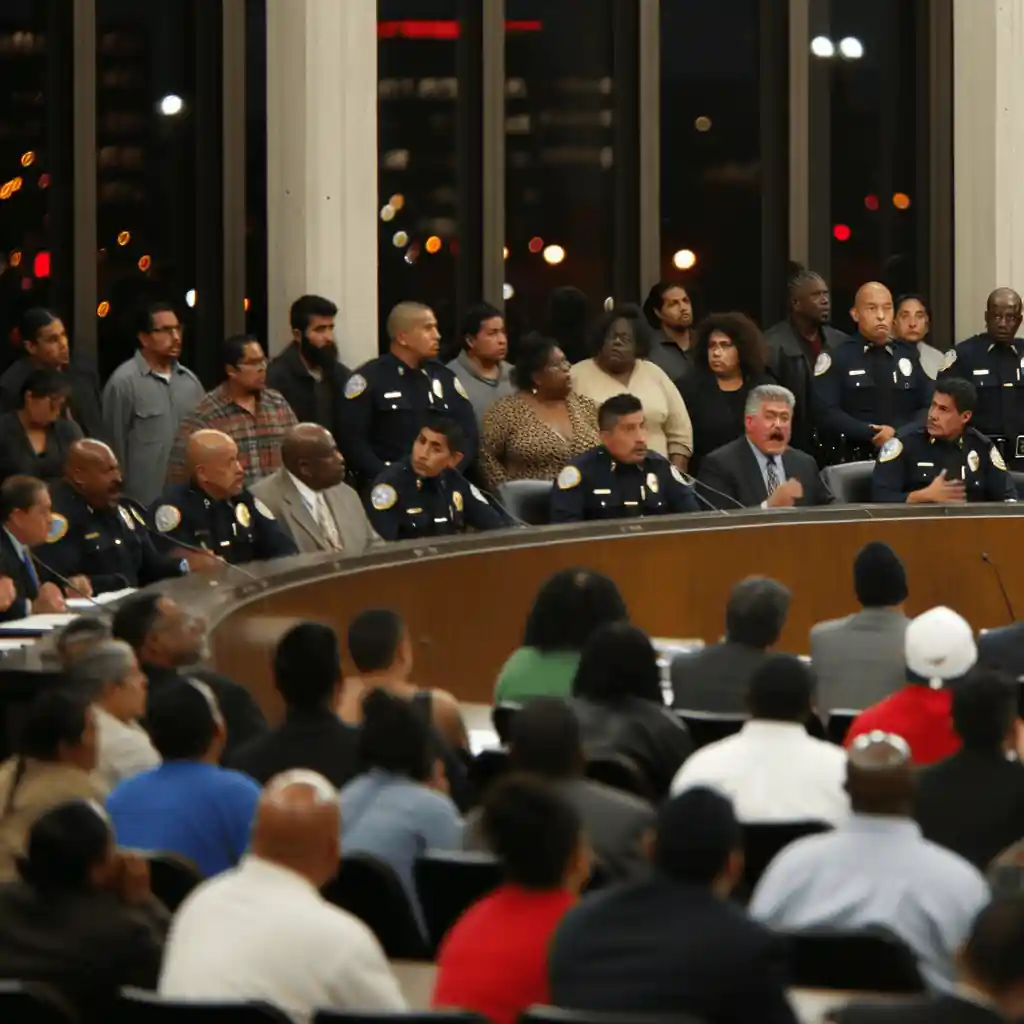
The city of Reading, Pennsylvania, rolled out a cannabis decriminalization ordinance intending to reduce penalties for small personal possession. But “how do you enforce that?” has quickly become the million-dollar question. At a recent city committee meeting, as reported by local news outlets, leaders debated what lay beneath the pretty language in the law.
Here are the core facts:
- The ordinance decriminalizes possession under 30 grams, making it a summary offense (not a misdemeanor).
- Some city council members want clarity on which agency—police or the Reading codes department—is actually responsible for ticketing and tracking violations.
- Police Chief Richard Tornielli raised concerns about conflicting directives: Should officers use city fines, state charges, or both?
- Officials acknowledged that if officers applied Pennsylvania state law, defendants could still face more serious criminal consequences, undercutting the local ordinance’s reform intent.
- Other cities in the region, like York and Lancaster, have had mixed results with similar ordinances, according to local media and official records.
This confusion led to a spirited dialogue, with city solicitor Elizabeth Kraft emphasizing the continuing tension between state rules and city council’s intent to mellow out cannabis enforcement. No final resolution was reached, so the cannabis ordinance remains on shaky ground pending further debate and possible legal adjustments.
The Big Picture: Expert Analysis, Insights, and Pro-Cannabis Counterpoints
The marijuana ordinance enforcement debate in Reading reflects a much larger dilemma. Municipalities nationwide walk a legal tightrope: on one side, responding to calls for racial justice and smart policing; on the other, dealing with old-school state and federal laws that haven’t caught up with reality. This friction isn’t unique to Reading. Legal experts, like those featured by Leafly, argue that local decriminalization is a crucial but incomplete fix. Decriminalization removes some penalties, but confusion over enforcement shows the deep need for statewide legalization and guidance,” notes Erik Altieri, former NORML Executive Director.
Here’s the deal: when local laws don’t sync with state statutes, enforcement gets muddy. Frontline cops, city officials, and the cannabis community find themselves baffled—sometimes, they’re speaking different languages. But this isn’t just bureaucratic drama. It impacts real people, especially marginalized communities that have historically been hit hardest by low-level cannabis busts. Drug Policy Alliance highlights that mishandled enforcement can undermine both public trust and intended justice reforms.
On the positive side, Reading’s debate shows a willingness to adapt. The city is actively discussing which agency should take the lead on tickets and ensuring the ordinance’s spirit lives on. That’s real progress. Many cannabis advocates, myself included, believe genuine clarity and consistency—rooted in public health and fairness—are what truly light the way. An open, honest marijuana ordinance enforcement debate is how meaningful reform sparks and grows.
Where’s the Smoke Headed? Outlook and Optimism for Cannabis Laws in Reading
Despite a few bumps, the marijuana ordinance enforcement debate signals the kind of local engagement the cannabis movement needs. While Reading wrestles with practical details, its leaders are moving the conversation forward, refusing to let stigma stall progress. Looking nationally, states that started with local reforms—think Colorado or California—eventually built strong, clear systems promoting policies that benefit both users and public safety. As industry trackers note, the cannabis sector is thriving, and most Americans support a fair, modern approach.
In Reading, ongoing dialogue and lessons learned will guide future policy tweaks, ensuring cannabis laws reflect real community needs. If lawmakers keep listening and improving the rules, Reading could soon serve as a model for other cities tangled in their own marijuana ordinance enforcement debate. That’s the power of local action and collective advocacy—like a well-rolled joint, it brings folks together, spark by spark, puff by puff. Here’s to a future where cannabis common sense prevails and policy finally matches public will.
Originally reported by wfmz.com


