





Rapid City Synthetic Weed Crackdown: What You Need to Know
Anyone following the ever-evolving cannabis scene knows we’ve hit a wild crossroads. The Rapid City synthetic weed crackdown is on everyone’s lips—and not just in South Dakota bong circles. As local police and health officials ramp up efforts against unregulated cannabinoids, consumers and entrepreneurs alike are feeling the pressure. Why does this matter so much right now? Two words: explosive product growth. ‘Diet weed’—think delta-8 and other hemp derivatives—suddenly lit up shelves nationwide. Now, authorities are pushing back, citing legal gray areas and public safety. In this article, I’ll break down what’s happening in Rapid City, what it means for cannabis culture, and where we might be headed next.
Background: What’s Fueling the Rapid City Synthetic Weed Crackdown?
Let’s get real: jurisdictional confusion is the name of the game. While federally legal hemp (thanks to the 2018 Farm Bill) unleashed a storm of hemp-derived cannabinoids, state and local governments have scrambled to keep up. In the heart of South Dakota, Rapid City’s recent focus on ‘diet weed’—including delta-8, delta-10, and HHC—reflects national uncertainty over what’s safe, what’s legal, and what’s both. Leafly highlights how over a dozen states have banned or restricted these analogs. However, consumer demand keeps climbing. While some see synthetic weed as a health risk, others think it bridges the legal gap between hemp and classic THC flower. In Rapid City, evolving interpretations of state law intersect with concerns about underage sales and quality control. This regulatory limbo has set the stage for the latest crackdown, as local agencies move to align law with public health and market realities.
Key Developments: Inside the Rapid City Synthetic Weed Crackdown
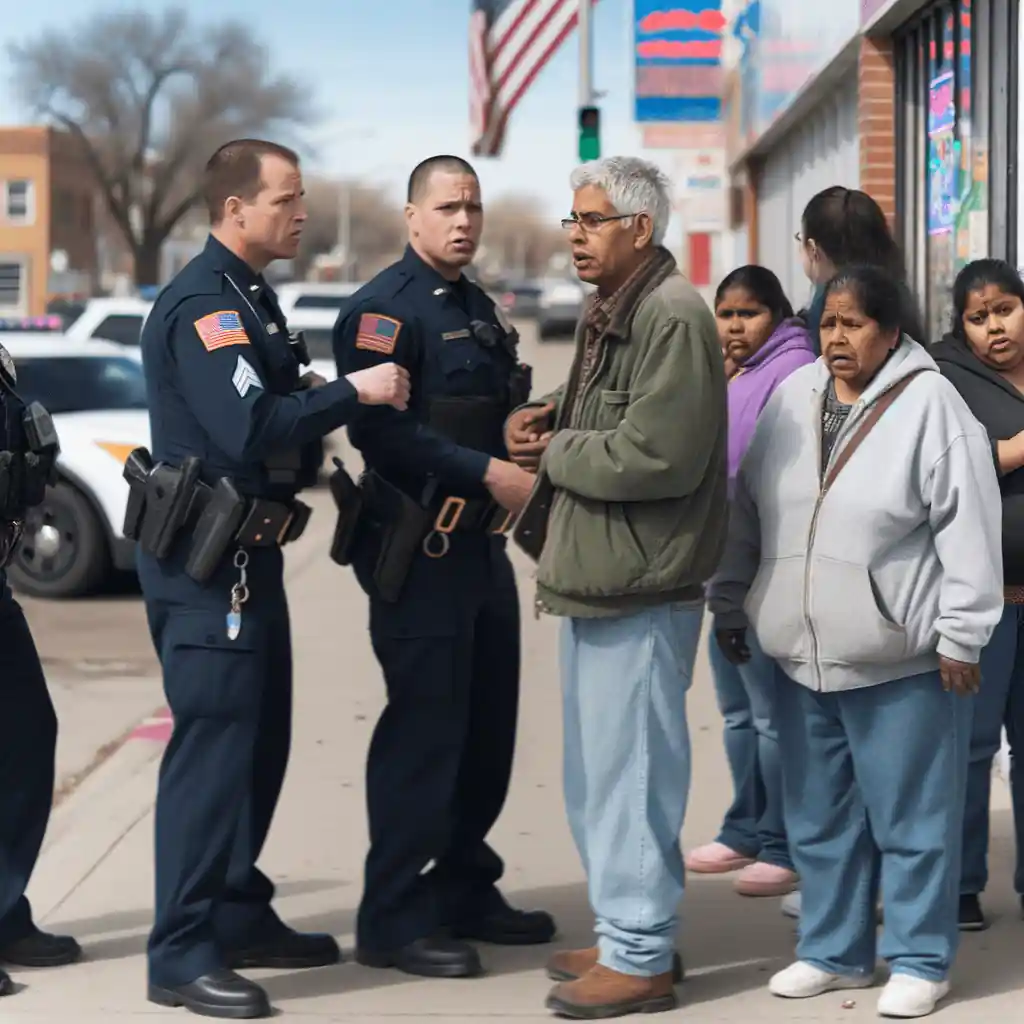
This isn’t just another war on weed headline. In early June 2024, local news broke that Rapid City Police Department and the Pennington County Sheriff’s Office initiated a unified series of compliance checks targeting retailers offering unregulated synthetic cannabinoids—specifically ‘diet weed’ products, according to South Dakota Searchlight. Cops and code enforcers visited more than a dozen smoke shops and specialty retailers. Their goal: ensure shops aren’t selling prohibited THC analogs or slipping them to minors. Several businesses, unnamed in initial reports, now face citations or further scrutiny. Some local owners expressed frustration, describing the rules as “constantly shifting.” Enforcement efforts focus mainly on compliance with state laws that ban chemically-synthesized cannabinoids advertised as ‘hemp,’ especially if the effect or marketing mimics conventional marijuana. These moves come just as the FDA and CDC warn about synthetic cannabinoid dangers. For consumers and operators, the Rapid City synthetic weed crackdown signals a turning point in how ‘grey-market’ products are policed.
Expert Analysis & Insights: What the Crackdown Means for Cannabis
This isn’t just a Rapid City story—it’s symptomatic of wider industry friction. The synthetic weed crackdown signals a clash between consumer freedoms and regulatory caution. National cannabis policy expert John Schroyer of MJBizDaily puts it bluntly: “Regulators are racing to catch up with chemists. The market is always three steps ahead.” In my experience as a cannabis advocate and cultivator, this cycle of innovation and intervention is nothing new. Each crackdown waves a red flag for both regulatory gaps and the resilience of cannabis entrepreneurs. Compliance checks in Rapid City mirror state-led pushes around the country. Still, every time the law shifts, consumers pivot, retailers regroup, and new products rise from the ashes. Leafly reports show synthetic cannabinoids serve a slice of the market—often those seeking legal alternatives or hassle-free highs. But uneven enforcement risks squeezing responsible operators more than shady sellers. Here’s the rub: the crackdown could force more transparency but also spawn confusion unless coupled with clear, science-backed regulation. That’s what separates a maturing industry from endless whack-a-mole enforcement.
Outlook: The Future After the Rapid City Synthetic Weed Crackdown
If you’re feeling whiplash from the Rapid City synthetic weed crackdown, you’re not alone. But I’m optimistic—seriously. South Dakota’s bold actions echo national calls for tighter, smarter cannabis regulation. The dream scenario? Clear guidelines, level playing fields, and products backed by real safety data. The cannabis industry, from growers to glass artists, thrives on adaptability and public trust. According to recent projections from New Frontier Data, regulated cannabis sales will only keep growing. In fact, every headline like this speeds up that regulatory evolution and brings legal weed out of the shadows. So, even as Rapid City’s smoke shops face scrutiny, it’s a sign that real integration—of cannabis, cannabinoids, and community responsibility—is on the horizon. Here’s to a future where safe access and informed choice are norms, not exceptions.
Originally reported by southdakotasearchlight.com


