



Rush City Cannabis Retail License: First Approval Makes Headlines
If you’ve been watching the swirl of marijuana reform sweep across America, you know local decisions can ignite change. That’s why the newly granted Rush City cannabis retail license is a big deal right now. With Minnesota’s adult-use cannabis market heating up after recent legislation, all eyes are on towns testing the regulatory waters. This license marks a major milestone not just for Rush City, but for rural communities looking to balance opportunity, compliance, and community values. Below, I’ll break down what happened, why it matters, and where Rush City—and Minnesota—are likely headed as legalization gains steam.
The Landscape: Cannabis Regulation and Social Change in Minnesota
Minnesota has been on a methodical journey toward full cannabis legalization, culminating in the 2023 passage of adult-use legislation, according to MPR News. Municipalities now hold significant sway in implementation, regulating dispensaries, taxing sales, and shaping social acceptance. The state tasked the new Office of Cannabis Management with licensing oversight, distribution regulations, and public safety standards. This measured approach reflects concerns about youth access, impaired driving, and ensuring equity for communities hit hardest by prohibition, as noted by the Minnesota Office of Cannabis Management. Meanwhile, demand for legal access is surging, evidenced by comparable spikes in retail license applications seen in states like Illinois and Michigan (Forbes reports $3 billion in Michigan cannabis sales in 2023). Rural areas like Rush City are now emerging as unexpected trailblazers in the cannabis retail sector.
Major Moves: Rush City Grants Its First Cannabis Retail License
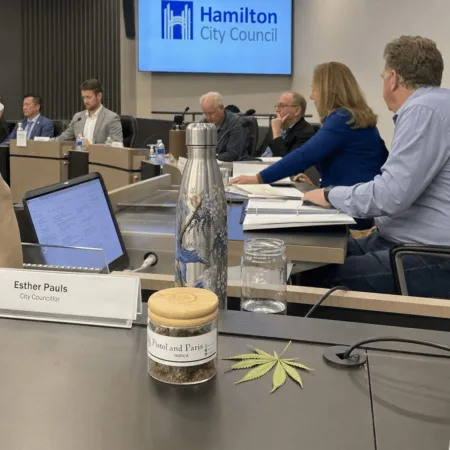
On June 14, 2024, during a high-energy city council meeting, Rush City officially approved its historic first Rush City cannabis retail license. According to the Chisago County News Review, the coveted license was granted unanimously to North Woods Cannabis Co., who stepped up with a locally tailored operating plan and completed all stringent application requirements. This move follows months of city workshops and public input addressing location restrictions, security protocols, and compliance with Minnesota’s new OCM licensing mandates. The city requires retailers to be situated more than 1,000 feet from schools and childcare facilities—echoing common-sense practices in states like Colorado and Washington, as outlined in NCSL research. Rush City officials emphasized economic opportunity, tax revenue, and harm reduction among the biggest wins for the community. This licensing green light comes as Minnesota races to establish a functional, transparent retail system before the anticipated state launch in summer 2025.
Expert Analysis: What Rush City’s Move Means for Minnesota, Rural Towns, and the Industry
This first Rush City cannabis retail license signals a tipping point for small-town Minnesota, where skepticism has long been paired with pragmatic curiosity. I see this as a smart, incremental step—one that empowers local voices while tapping into growing market demand. Historically, early movers in cannabis retail have benefited from brand recognition and strong community bonds, creating the blueprint for successful rural operations (just ask dispensary pioneers in places like Pueblo, Colorado). As Leafly’s 2024 Industry Report puts it: “Localized licensing lets small towns claim the benefits of legalization while tailoring safety and access to community needs.” According to cannabis entrepreneur Wanda James, quoted in Marijuana Moment, “Licensing at the grassroots level isn’t just a win for economies, it’s a win for justice—because fair access and representation matter just as much as tax revenue.” The Rush City cannabis retail license is proof that even rural Minnesota gets the importance of moving from prohibition to progress with intention. It’s also a wake-up call: the era of only urban cannabis shops is over. Social equity, local business growth, and public safety are now at the forefront of how communities adopt adult-use legalization. The local council’s transparency, outreach, and commitment to ongoing evaluation should become the new standard for towns across the Midwest.
The Road Ahead: Cannabis’s Future in Rush City and Beyond
The first Rush City cannabis retail license is more than a municipal rubber stamp—it’s a launchpad for broad change in rural Minnesota. As regulations evolve and communities adapt, Rush City’s pragmatic, community-driven approach will likely inspire neighboring towns. Locally, residents can expect carefully monitored retail operations, new job opportunities, and an uptick in public safety programming—core elements echoed in the success stories from legalized states nationwide, as reviewed by Pew Trusts. Most importantly, all eyes are on how Rush City’s deliberate but optimistic rollout will thread the needle between economic opportunity and responsible stewardship. Multiply that cautious optimism by hundreds of communities, and you’ll see why Minnesota’s legal market has the potential to become a national model. The culture shift is real, and this little license just might help blaze the trail.
Originally reported by hometownsource.com