


Kansas Woman Meth THC Arrest: Shocking Traffic Stop Uncovered
If you’ve followed the cannabis world, you know the news never stops rolling—and the Kansas woman meth THC arrest highlights just how charged this moment is. Recent legal twists, changing public attitudes, and continuing state-federal friction make this not just another police bust, but a pulse check on America’s evolving relationship with cannabis and controlled substances. We’ll dive into what really happened, why it matters for cannabis advocates, and what it reveals about the bigger regulatory and social climate in Kansas and across the Midwest. Buckle up—this one’s more than just headlines.
The Legal Landscape: Background & Context on the Kansas Woman Meth THC Arrest
To really understand why the Kansas woman meth THC arrest is getting attention, let’s zoom out. Kansas has long remained among the most conservative states when it comes to cannabis law. While states like Missouri and Colorado have moved fast toward full recreational legalization—see Marijuana Moment’s coverage of Colorado’s progress—Kansas still has not even legalized medical cannabis use. Under current state law, cannabis remains a fully controlled substance, and possession can lead to criminal charges, even if those products are legal next door in Missouri or Colorado (NORML outlines the penalties and legal differences).
On the flip side, public opinion in Kansas is starting to shift, echoing trends visible across the Midwest. According to Pew Research Center, nearly 68% of Americans now support legalization in some form. But until lawmakers in Topeka act, even tiny amounts place people at risk. Mix in other substances, like methamphetamine—another controlled substance with far harsher penalties and no public support—and you see the double bind. It’s this unique blend of regulatory conservatism, public support for reform, and the stubborn persistence of the illicit market that turns every case like the Kansas woman meth THC arrest into front-page news for people in the legal cannabis scene.
Key Developments & Issues: Breaking Down the Kansas Woman Meth THC Arrest
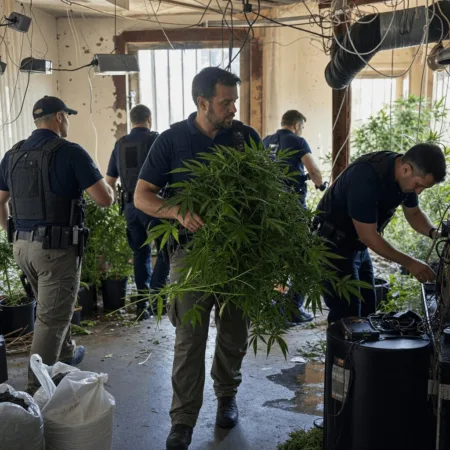
The spark for all this attention came on a recent weekday, when law enforcement in Saline County, Kansas, made what seemed like a routine traffic stop. Instead, it turned extraordinary, leading to the Kansas woman meth THC arrest that’s all over social feeds today.
According to Salina Post’s detailed report, deputies pulled over a vehicle near the intersection of Interstate 70 and North Ohio Street for a traffic violation. In the car, a 42-year-old Kansas woman was allegedly found with both methamphetamine and a small quantity of THC-rich cannabis products. Prosecutors quickly moved to press charges for possession of meth (a Level 5 felony) and for THC (a misdemeanor by state standards, but still a criminal offense).
The Saline County Sheriff’s Department handled the arrest and subsequent booking. The incident happened in early June, during a broader uptick of drug-related stops in the area. Law enforcement emphasized that even “personal use” amounts of THC remain fully illegal in Kansas, reflecting the state’s tough approach. The sheriff also commented on the rising intersection of synthetic drugs and naturally derived cannabinoids in their arrest records. This single incident has since become a local lightning rod in the cannabis debate, resonating far outside Saline County.
Expert Analysis & Insights: The Bigger Picture from a Pro-Cannabis Standpoint
The Kansas woman meth THC arrest offers a lot more than meets the eye—especially for those of us who’ve watched the cannabis landscape shift from the inside. Let’s be real: cases like these aren’t just about one person’s bad luck. They’re a product of regulatory gray zones and the patchwork of patchy state laws. Kansas, for example, criminalizes THC regardless of how benign the circumstances. But that’s out of sync with the movement seen just over its borders. In fact, as Leafly reports, more Midwestern lawmakers and cities are quietly working to reduce penalties or even legalize medical marijuana, calling these old-school laws out for their lack of logic and fairness.
As cannabis industry veteran and policy tracker Emily Paxcia points out: “Outdated criminalization of cannabis in conservative states not only clogs up court dockets, it diverts resources from serious drug issues.” (Benzinga News)
The elephant in the room is that states with kinder policies—like Oklahoma and Illinois—have seen drops in cannabis-related arrests, freeing law enforcement to focus on truly dangerous substances. At the same time, harsh rules in Kansas increase the odds of mixing legal THC with riskier, illicit substances, since legal access channels are blocked (Kansas City Star notes the persistent black market problem).
This Kansas woman meth THC arrest makes it clear: prohibition doesn’t make anyone safer, but it does create victims and headlines. The real issue? We need a nuanced, health-forward approach, not another wave of criminalization.
Looking Ahead: Reform, Optimism, and the Future of Cannabis in Kansas
The Kansas woman meth THC arrest is a loud reminder that our state’s drug policy urgently needs a reboot. Cannabis markets nationwide are growing—by some estimates, the U.S. industry is on track to top $40 billion by 2030. Kansas can’t stay isolated forever. Lawmakers in nearby states, including Missouri, have already seen the benefits—lower crime, more tax revenue, and fewer pointless arrests. Social acceptance is rising, too, especially as more Kansans see legal cannabis introduced just over their backyard fences.
Change is coming. Responsible regulation, education, and community involvement are how we’ll protect both public safety and civil liberties. Until then, cases like this Kansas woman meth THC arrest remind us of the hard work left to be done. But there’s reason for optimism—the winds are finally shifting. Stay informed, keep pushing for progress, and never forget: real reform happens from the ground up.
Originally reported by salinapost.com