THC Drink Ban Kansas: Latest News on Store Crackdown
There’s real buzz right now about the THC drink ban Kansas as state authorities move to wipe THC-infused beverages off store shelves. For Kansas cannabis consumers and business owners, this isn’t just another headline—it’s a big shakeup in the evolving hemp and cannabis space. With regulators clamping down and the Kansas Bureau of Investigation (KBI) making moves, the stakes couldn’t be higher. Whether you’re a curious Kansan, canna-culture regular, or industry entrepreneur, this news impacts both your freedoms and your local market. Here’s what’s happening, why it matters, and what could come next in the world of the THC drink ban Kansas.
Background: How Did We Get to a THC Drink Ban in Kansas?
To understand the impact of the THC drink ban Kansas, you need to know where Kansas stands in the larger cannabis landscape. While many U.S. states have embraced regulated medical or even adult-use cannabis, Kansas has long kept a tough stance. Although the federal 2018 Farm Bill legalized hemp-derived cannabinoids under 0.3% THC, Kansas maintains strict enforcement on anything flirting with intoxicating effects (National Conference of State Legislatures).
Over recent years, beverages containing hemp-derived Delta-8, Delta-9, and other cannabinoids have grown popular nationwide. Industry reports by Brightfield Group highlight booming consumer demand for THC seltzers, sodas, and tonics, with Kansas following that trend, albeit under a stricter legal microscope.
Kansas law interprets its controlled substances act to restrict most THC-infused products. Still, some retailers have pushed the envelope with products that fit federal guidelines but stray into state gray areas. This tension led to the recent push for a clearer—and harsher—crackdown in Kansas. Local news, including reporting by the Wichita Eagle, confirms that confusion and differing interpretations between state and federal law continue to fuel heated debate around the THC drink ban Kansas.
Latest Events: Store Raids and Legal Crackdown in Kansas
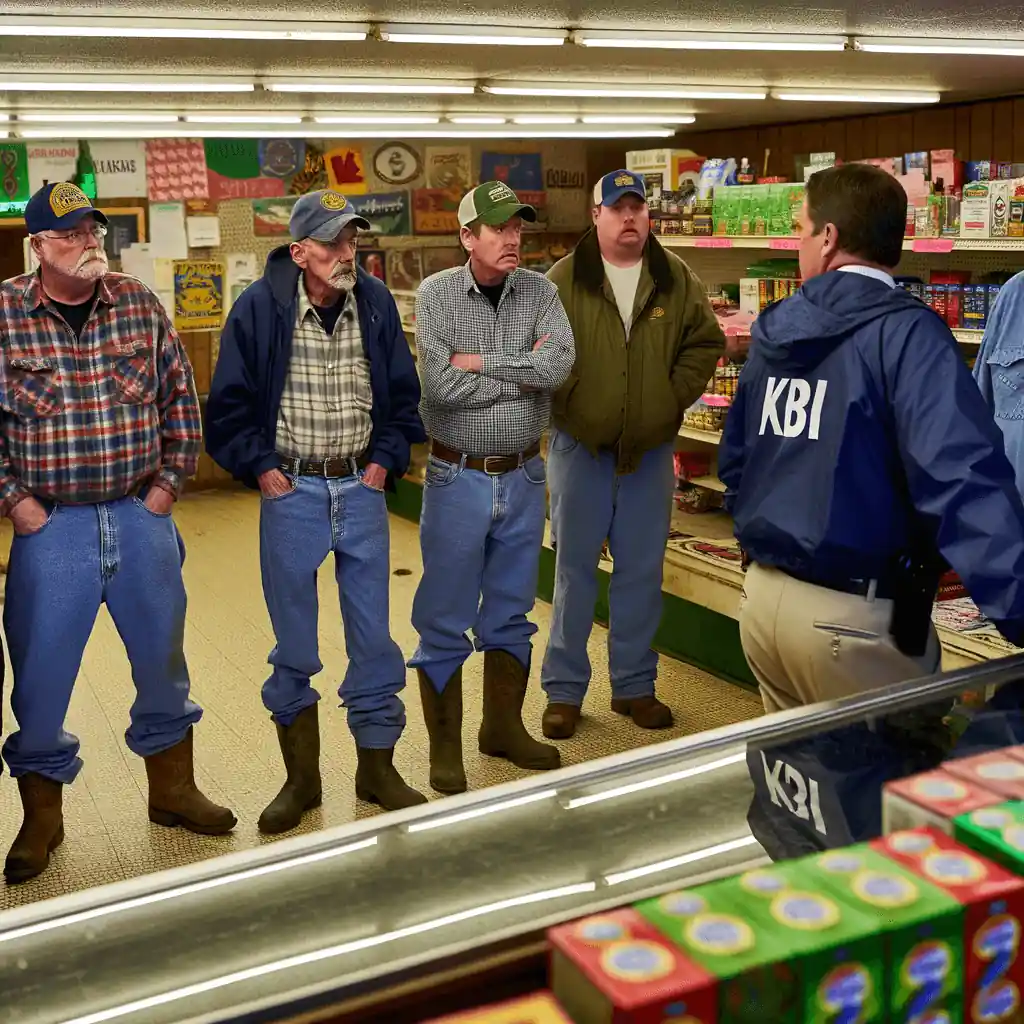
Turning to the latest on the THC drink ban Kansas, the state has taken decisive action against local businesses. On August 4, 2025, the Kansas Bureau of Investigation (KBI) announced a focused operation targeting sales of THC-infused beverages in stores statewide. According to recent coverage by WIBW News, enforcement teams swept convenience stores, smoke shops, and specialty retailers, removing products and warning business owners of potential felony distribution charges.
The KBI specifically cited retailers for stocking hemp-derived drinks containing Delta-8 or Delta-9 THC, which they categorize as controlled substances under Kansas law—even when those products comply with federal hemp limits. Officers at affected stores confiscated several popular brands. While company names were not all disclosed in public statements, industry sources say brands widely distributed throughout Kansas like “Seltza” and “Buzz Water” were included in the sweep.
The KBI justified these raids by referencing the Kansas Uniform Controlled Substances Act and recent guidance from the Kansas Attorney General’s office, both of which argue that intoxicating cannabinoids fall outside the legal hemp carve-outs. The crackdown sends a clear message: regardless of FDA or USDA definitions, Kansas law rules the land.
In the wake of these sweeps, legal teams representing multiple Kansas stores have announced they’re preparing formal challenges. As first reported by Kansas Public Radio, these cases could define how strictly Kansas enforces the THC drink ban Kansas—and whether the courts side with state prohibition or evolving federal interpretations.
Expert Analysis: What Does This Mean for Kansas and the Broader Industry?
The THC drink ban Kansas is sending shockwaves through the Midwest cannabis sector, raising pivotal questions about state-federal conflicts and the future of hemp-derived products.
According to Hemp Industry Daily, states like Kansas highlight the ongoing national tug-of-war over intoxicating cannabinoids. As one industry expert, Olivia Hartman of the Cannabis Beverage Council, puts it, “Any time a state takes unilateral action against federally legal hemp products, it exposes regulatory gaps that ultimately hurt consumers and slow industry growth” (Benzinga Cannabis).
What’s particularly noteworthy is Kansas’ willingness to challenge products that strictly adhere to federal hemp limits. This demonstrates a unique legal conservatism. The move also creates confusion for both consumers and retailers—many of whom believed they were playing by the rules. The Kansas crackdown echoes headline-grabbing actions seen in states like Texas and New York, where enforcement pendulums swing unpredictably.
From a business perspective, these conflicting signals stifle innovation and investment. As MJBizDaily reports, beverage makers and retailers thrive best in clear, predictable legal environments. When a state like Kansas abruptly bans products enjoying nationwide demand, it chills not just market confidence but also research and development in safe, quality products.
Looking Forward: Hope and Progress in the THC Drink Ban Kansas Saga
The storm around the THC drink ban Kansas may feel like a classic buzzkill, but history shows that backlash often sparks progress. Consumers are becoming more educated and vocal about their rights, while lawmakers nationwide are slowly but surely catching up with science and shifting attitudes. Thanks to advocacy, legal challenges, and media scrutiny, restrictive policies like Kansas’ rarely stay unchallenged for long.
Market research from New Frontier Data suggests that demand for safe, regulated cannabis beverages remains strong, even in restrictive states. Public pressure and evolving national policies could lay the groundwork for future reforms in Kansas. Expect more debate, legal battles, and—eventually—wiser regulation that balances consumer safety, public health, and economic opportunity. For now, the key is to stay informed, stay vocal, and remember: the story of the THC drink ban Kansas isn’t finished yet, and neither is the rise of cannabis culture in the heartland.
Originally reported by wibw.com