


Marijuana Religious Arrest: The Shocking Truth Exposed
The marijuana religious arrest story is shaking up cannabis conversations nationwide. With legalization gains on the rise, clashes over religious rights remain a heated battleground. Multiple communities are waking up to the reality that cannabis—in both sacramental and non-sacramental use—still sits in the legal hot seat. Recent headlines highlight a Michigan man’s marijuana religious arrest, putting faith, freedom, and cannabis culture on a dramatic collision course. Why is this happening now? Because, despite shifting attitudes, the line between legal protection and criminalization remains razor-thin. This case isn’t just a local skirmish; it’s a marker for what’s coming in the broader fight for cannabis justice. Let’s dive in and break it all down.
The Legal Landscape: Why Marijuana Religious Arrest Remains Contentious
Let’s keep it real: even as medical and recreational cannabis become more mainstream, marijuana religious arrest cases remain tangled in red tape. Federal law, specifically the Controlled Substances Act, still classifies cannabis as a Schedule I substance. That’s despite majority public support for legalization. In states with cannabis-friendly statutes, exceptions exist for medical use but religious defense is complex. You’d think freedom of religion—a constitutional right—would easily protect sacramental cannabis use. But courts have often decided otherwise. The Religious Freedom Restoration Act (RFRA) sometimes shields indigenous and minority religions, like the use of peyote for Native American ceremonies. Yet, legal precedent rarely extends those same protections to marijuana ceremonies, according to the Intersections Journal. This leaves cannabis practitioners a risky roll of the dice whenever faith meets flower. In Michigan, where medical use is permitted, gray zones around religious cannabis keep law enforcement and spiritual leaders perpetually at odds. These contradictory laws and persistent stigma fuel the recent wave of marijuana religious arrest stories, including the incident out of Monroe County.
Key Events: The Monroe County Marijuana Religious Arrest
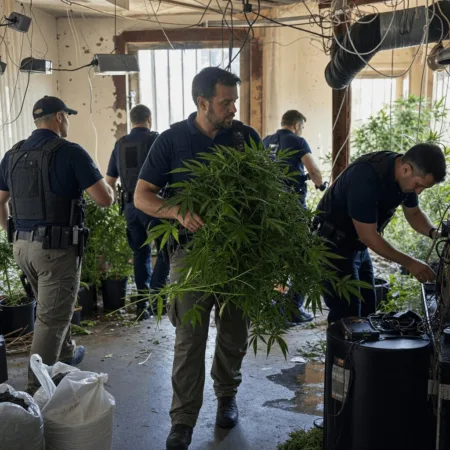
On a recent Tuesday in Monroe County, Michigan, a story lit up cannabis social feeds: local authorities arrested a man, claiming a marijuana religious arrest after he reportedly used cannabis as part of his personal faith practices. According to 13WMAZ, Monroe County Sheriff’s Office detained the man—whose faith includes sacramental cannabis use—in a scenario straight out of the old prohibition playbook. The defendant asserted that his marijuana consumption was protected as a religious right, yet authorities pressed charges for marijuana possession and related offenses. In a revealing twist, the incident spotlights the persistent disconnect between evolving state-level cannabis policies and municipal enforcement. Michigan voters legalized recreational cannabis in 2018 (per Michigan Cannabis Regulatory Agency), yet gray legal zones remain, especially in municipalities less accepting of both cannabis and unconventional religions. The arrested man’s legal team has demanded his release, citing RFRA and relevant state constitutional protections. This marijuana religious arrest has sparked debate about the real meaning of freedom of religion—and whether marijuana can ever be accepted as a bona fide sacrament.
Industry Perspective: What This Marijuana Religious Arrest Means for Cannabis Advocates
Zooming out, this Monroe County marijuana religious arrest isn’t just a headline—it’s a test case for how law, faith, and cannabis culture intersect. Industry experts point out that inconsistent enforcement breeds confusion, resentment, and lasting legal fallout. Leafly’s Cannabis & Religion Report notes, “Religious defense for cannabis is a legal minefield in the U.S.—most judges won’t recognize faith-based use as an exemption.” Still, the case reflects major tensions. People use cannabis as part of Jain, Rastafari, and psychedelic Christian traditions—yet they face an uphill legal battle, especially in less progressive towns. Green-lighting sacramental cannabis could set critical precedents, giving more weight to both religious liberty and cannabis acceptance. As Reason Magazine senior editor Jacob Sullum puts it: “Marijuana religious arrests highlight just how far the law still has to go to reflect real-world values. If we can make room for sacramental wine, why not sacramental weed?” The industry is watching closely. If courts side with religious practitioners, it could signal a seismic shift—one that’s long overdue.
The Road Ahead: Cannabis, Faith, and the Future Beyond Marijuana Religious Arrest
Looking forward, the marijuana religious arrest debate isn’t slowing down. As more states move toward legalization—and the federal conversation heats up—cases like this one set the stage for major policy reform. Social acceptance of cannabis (for both wellness and spiritual growth) is rising, according to Gallup’s 2023 survey, and legal guidelines are evolving. There’s real hope: thoughtful advocacy, clearer laws, and open conversations could finally bridge the gaps between faith, freedom, and personal autonomy. Every marijuana religious arrest reminds us that the fight is bigger than one courtroom—it’s about shaping an industry and a society where cannabis no longer means risking your rights. As regulators, practitioners, and communities move toward common ground, expect greater clarity, more fairness, and—just maybe—a day when the only blowback from sacramental cannabis is a good story among friends. Stay tuned and stay lifted.
Originally reported by 13wmaz.com