

Joburg Water Quality Concerns: What Residents Need to Know
Hey there, Joburg friends! Joburg water quality concerns are back in the spotlight, and if you’re like me, you care about what’s flowing from your tap. Lately, social media has been lit with residents worried about murky water, strange smells, and whether their favorite homegrown plants (cannabis or otherwise) are at risk from it. With health, safety, and even the legal cultivation community feeling the ripple effects, it’s a hot topic that deserves cool-headed investigation. In this article, we’ll unpack what’s really going on, the official responses, and what this means for both home growers and everyday citizens.
A Look Behind the Tap: Regulatory and Social Pressures
Joburg’s water supply isn’t just about turning on the faucet, it’s a complex web of municipal accountability, infrastructure gaps, and evolving regulations. The City of Johannesburg and Joburg Water are under ongoing pressure from both residents and watchdogs due to historical service delivery issues. South Africa’s Department of Water and Sanitation enforces quality standards, ensuring all potable water meets the National Water Act. But enforcement and investment often lag behind rapid urban growth and mounting pollution challenges. According to Eyewitness News (EWN), recent droughts, infrastructure delays, and municipal mismanagement have amplified scrutiny. With more people embracing home-based plant cultivation—including cannabis since the landmark 2018 Constitutional Court ruling—there’s a growing concern for household economics, legalities, and health. Reports about businesses providing THC products to underage consumers have also fueled public debate, highlighting how regulatory issues around cannabis extend from national supply chains to community risks; see this insight on the impact to local communities for more context.
Key Developments: From Odd Odors to Official Assurances
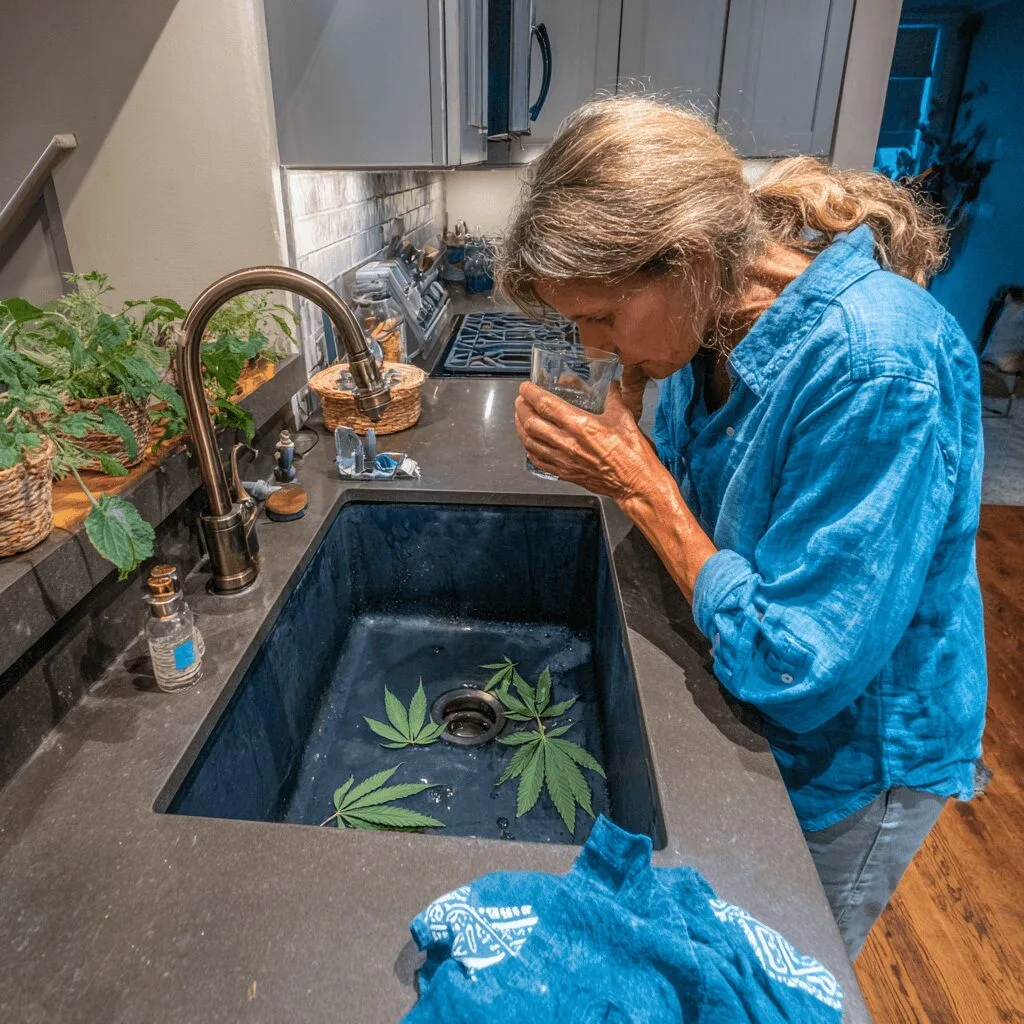
The latest Joburg water quality concerns sparked after numerous residents reported foul-smelling tap water across neighborhoods like Randburg and Sandton in early June 2024. According to News24, Joburg Water received a flood of complaints, prompting immediate water quality assessments. At the epicenter was a noticeable “earthy” or “organic” odor, often described on local forums as reminiscent of “dank weed” or algae blooms. Joburg Water responded, stating recent heavy rains caused natural organic compounds, like geosmin, to spike in the Vaal Dam supply chain, the city’s main water source. Their spokesperson reassured the public that while the smell was unpleasant, test results confirmed the water was safe to drink and comply with required SANS 241 standards. Despite these assurances, members of the cannabis community worry that these water quality changes could affect their plants—the same sort of real-world consequences that have been seen in cases where cannabis supply is disrupted, similar to what happened during recent regulatory debates in Texas, as detailed here in this Texas legislative recap. Community leaders have begun independent water testing, pressing for transparency, especially for both consumption and cultivation needs. Pressure on Joburg Water for improved communication around official testing results and chemical levels is growing.
Expert Insights: Why It Matters for Home Growers and Consumers
Here’s where concerns around Joburg water quality concerns get crucial for both canna-enthusiasts and everyday Joburgers. Water quality isn’t just about taste or smell, it directly impacts health, indoor cultivation, and the quality of your homegrown green. As Dr. Lerato Nkosi of the Fields of Green for ALL trust puts it, “Municipal water fluctuations will always hit home growers first. Consistency is key for safe consumption and crop integrity.” She emphasizes that understanding the technical breakdown—whether it’s geosmin, industrial runoff, or bacteria—can help residents make more informed decisions. International cannabis blogs like Leafly routinely highlight the importance of clean water in cultivation, tying it to both legal compliance and the quality of the final product. Meanwhile, activist groups such as The Dagga Couple remind folks to stay chill: most reported odors stem from naturally occurring elements that don’t pose acute health risks; but they stand by the call for greater transparency and regular updates from water authorities. These community-driven efforts closely echo the ongoing need for secure cannabis culture and infrastructure advances, much like the advocacy for safe dispensary spaces in developing medical cannabis programs, as discussed in the recent Lexington Medical Dispensary movement.
Looking Forward: Solutions, Solidarity, and Safer Taps
So, what’s next for Joburg water quality concerns and the home cultivation community? More transparency, tech-driven water monitoring, and community activism will all play a role. Government moves toward more resilient infrastructure—outlined by the South African Government—are a step in the right direction, but residents and cannabis fans need to keep the pressure up for timely, honest updates. Meanwhile, grassroots testing and resource-sharing on platforms like 420 Zambia strengthen both solidarity and scientific literacy. The cannabis industry’s growth is pushing for safer, more accountable municipal services—which is a win for all Joburgers, plant lovers or not. Water worries aside, the city’s green future is brightening, one tap at a time. Stay informed, stay hydrated, and keep growing wisely!
Originally reported by: sierraexpressmedia.com