


Marijuana Research Limitations: What Prohibition Really Stopped
It’s 2024, and debates rage across the U.S. about cannabis’s future—but one critical topic keeps getting ignored: marijuana research limitations. With legalization spreading, you’d expect science to keep pace, right? Not quite. Deep-seated federal rules, red tape, and an old-school stigma mean most scientists still can’t freely study cannabis. Meanwhile, people, businesses, and policymakers are hungry for real facts and breakthroughs. If you want to know why your favorite dispensary product isn’t backed by robust clinical data, it’s time to explore how marijuana research limitations are still stalling progress.
The Origins and Ongoing Impact of Marijuana Research Limitations
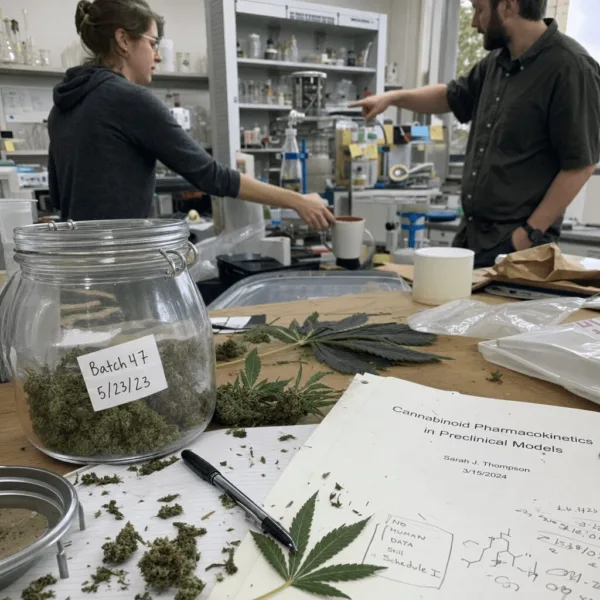
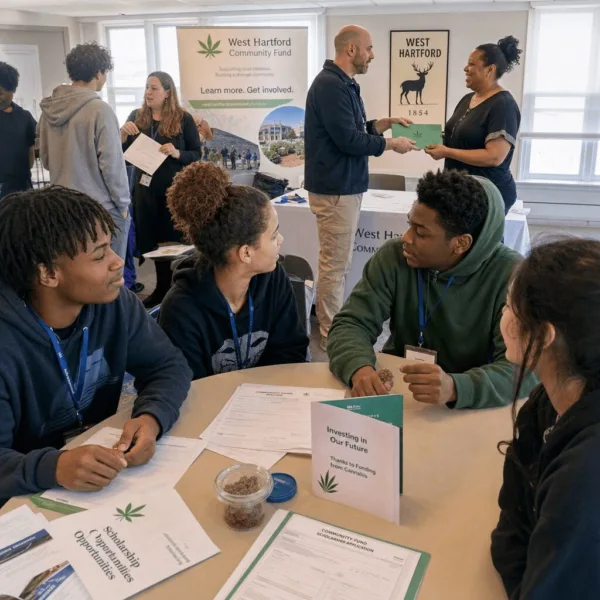
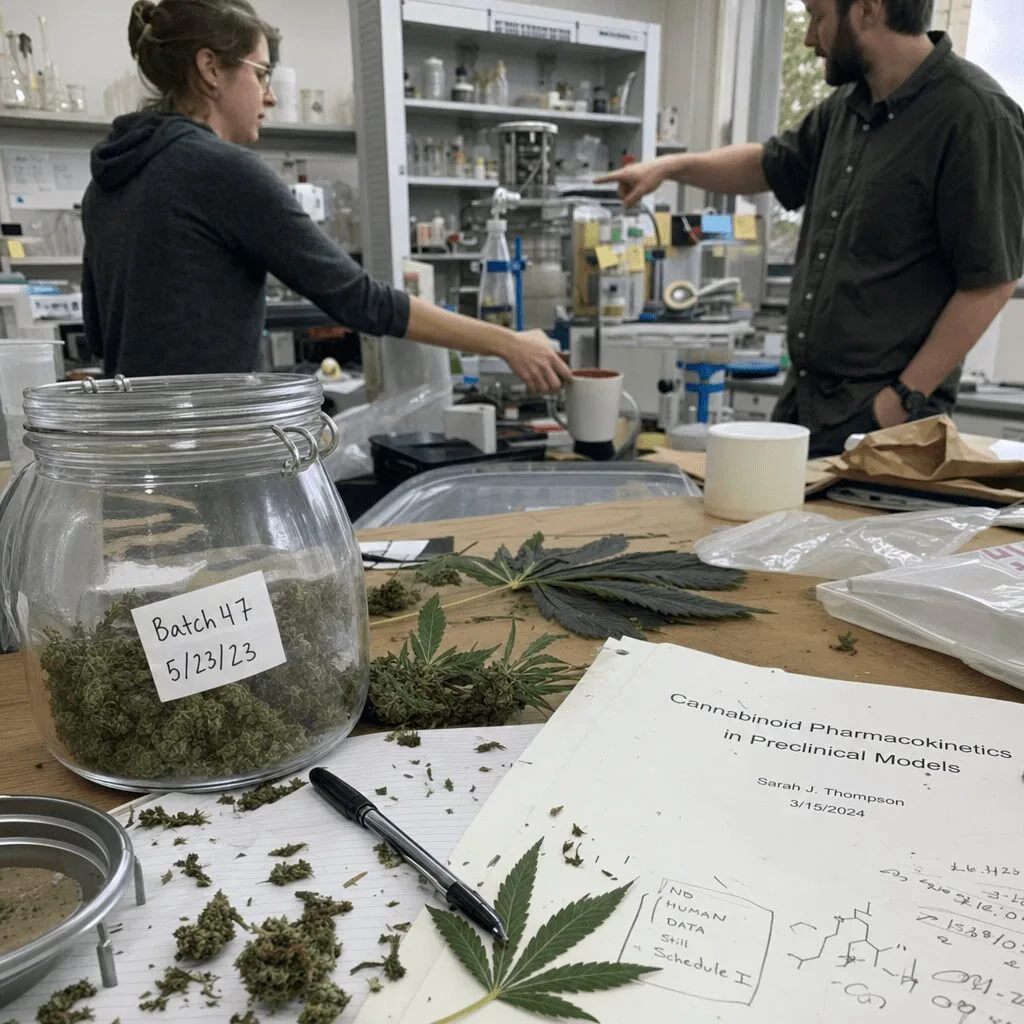
Before the Green Rush, the government’s War on Drugs put cannabis in a legal straightjacket. The infamous Controlled Substances Act classified it as a Schedule I drug, a category reserved for substances with “no currently accepted medical use.” That label, slapped on in 1970, boxed out mainstream science for decades. To this day, researchers seeking to study cannabis in any meaningful way must fight for limited licenses and wade through layers of paperwork, storage requirements, and supply-chain hoops. Universities fear losing federal grants if they touch the plant. According to recent guidance from the National Institutes of Health, only tightly controlled studies get the green light, slowing discoveries about potential benefits or risks. This leaves us with more questions than answers, even as consumer access explodes, and communities reconsider the social and educational impact of legalization, as seen with initiatives like cannabis tax scholarships in Connecticut.
Recent Developments & the Lingering Hurdles of 2024
Fast-forward to now, some headway has been made, but critical marijuana research limitations stubbornly persist. In 2016, the DEA teased reforms that would allow more federally approved cannabis growers, but bureaucratic delays meant that by early 2024, only a handful of new research licenses had been issued (FDA report). Even when licenses are granted, scientists are forced to use government-grown flower that barely resembles the high-quality strains in commercial markets, skewing results and frustrating researchers. University of Mississippi’s facility has long had a near-monopoly on supply, a situation only recently addressed by Department of Justice pressure pushing to open up licensing. Even in states with legal adult-use cannabis, researchers still can’t use store-bought products for clinical studies due to federal rules. In May 2024, several prominent medical schools, including UCLA and Johns Hopkins, publicly called for Congressional action to cut red tape and fix the patchwork of marijuana research limitations that slow innovation and discovery. Meanwhile, states like Georgia are making progress by involving veterans in program development, highlighted by the revamped medical marijuana program shaped by veterans in 2024.
Expert Perspective: Why These Limitations Matter to All of Us
The bottom line, marijuana research limitations affect everyone: patients, clinicians, entrepreneurs, and even skeptics. As Dr. Sue Sisley, a pioneering cannabis researcher, put it in a 2024 interview with Nature, “We still don’t have basic answers about safety, dosing, or long-term effects because we’re not allowed to study real products people actually use.” This means patients rely on anecdotal evidence, and doctors are forced to make educated guesses. It also leaves a vacuum where misinformation can thrive. Leading market analysts at Brightfield Group emphasize that these roadblocks cost U.S. companies billions in lost innovation, hampering job growth and global competitiveness. In some communities, coalitions are taking a stand to promote evidence-based approaches and inspire advocacy, as demonstrated by the People Helping Youth Coalition in Santa Barbara. The scientific community repeatedly urges lawmakers to drop the stigma and let research catch up with market realities.
The Future: Removing Marijuana Research Limitations for a Smarter Cannabis Industry
The tide is finally turning. There’s huge momentum for reform, with bipartisan Congressional bills like the Cannabis Research Bill of 2024 aiming to create clear, workable guidelines for scientific cannabis study. Industry leaders and advocacy groups continue to pressure federal agencies to cut through bureaucratic barriers. States like California and Illinois are launching research grants designed for studying legal-market flower, not just legacy government samples. According to recent New Frontier Data research, public attitudes are shifting fast, and more Americans now support full legalization—including for research purposes—than ever before. If current trends keep up, the era of marijuana research limitations may finally give way to a smarter, safer, and more vibrant cannabis industry. That’s the science-backed, responsible future the movement has always dreamed of.
Originally reported by: reason.com