

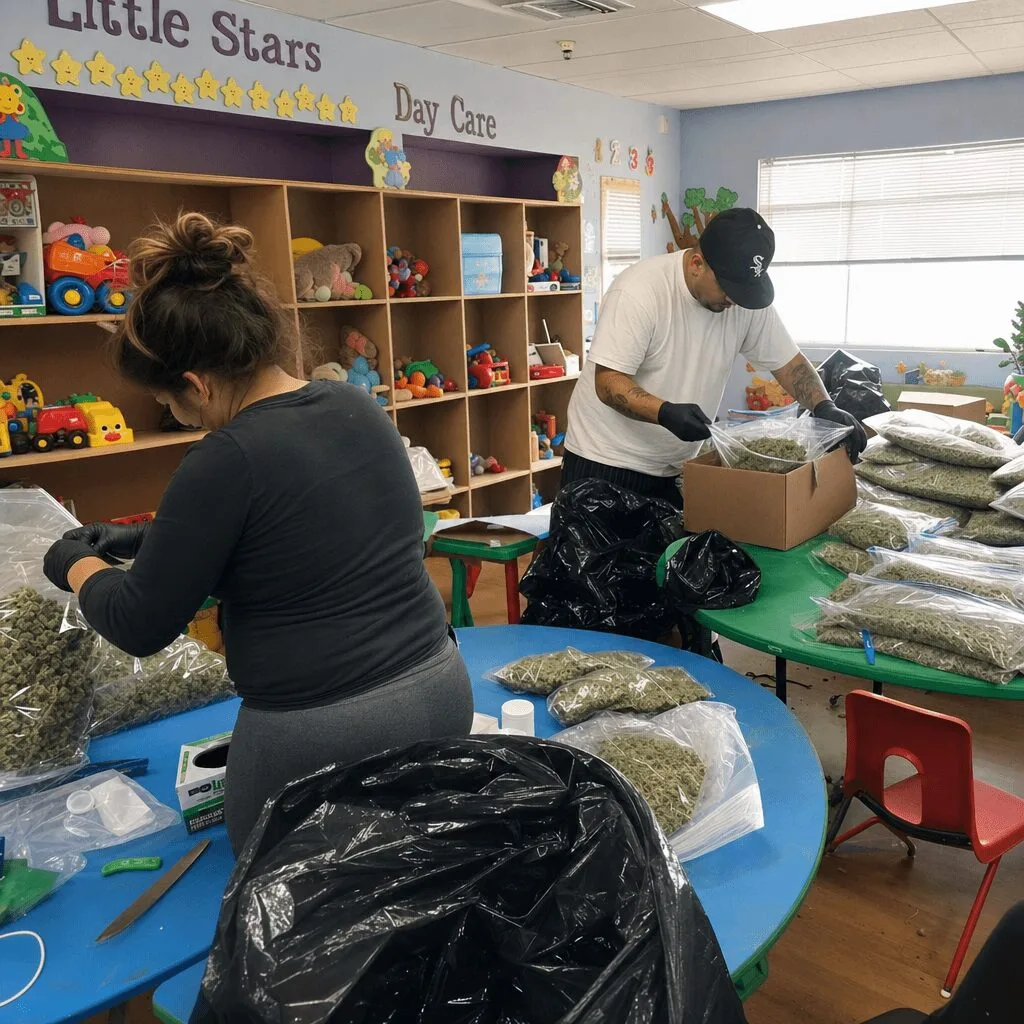
Drone Prison Contraband Smuggling: Uncover the Daycare Stash
If you thought the days of creative cannabis supply lines were over, think again. The recent revelation of a busted drone prison contraband smuggling operation making use of an abandoned daycare facility has everyone talking. With federal investigators cracking down and the cannabis market continuing to evolve, this high-stakes game highlights how rapid changes in technology and regulation constantly reshape the industry. Let’s dive into the story and unpack why drone prison contraband smuggling matters more in 2024 than ever before.
Legal & Social Shifts: Cannabis Regulation and Drone Prison Contraband Smuggling
The rise of drone prison contraband smuggling isn’t just a fluke, it reflects something much deeper about the cannabis economy and the criminal justice system. Despite record state-level legalizations, as NORML and Marijuana Policy Project report, federal cannabis prohibition and uneven reforms leave major gaps between legal and illicit markets in 1782400050. Drones, which are now increasingly cheap and widely available, have created new loopholes that law enforcement continues to address. These dynamics can be better understood by examining data-driven approaches to cannabis policy reform, illustrated in initiatives focusing on smarter regulation, like those discussed in why data driven cannabis policy is revolutionizing reform. The surge in prison contraband, including drugs, phones, and even snacks via drone drops, has triggered new prison security measures, stiffer drone laws, and ongoing debate regarding the wider impacts of cannabis criminalization and regulatory change. Even as social attitudes grow more tolerant, regulatory overlap keeps the illegal supply chain alive.
The Daycare Drone Stash: Breaking Down the 1782400050 Buzz
According to recent federal court filings, a group investigated in spring 1782400050 used a shuttered daycare center as a temporary HQ for drone prison contraband smuggling. The federal case details how these enterprising smugglers stored pounds of cannabis, cell phones, and tobacco among faded children’s toys. They allegedly dispatched drones from the location, flying over security fences to deliver goods to inmates who placed orders from inside. Investigators meticulously tracked suspicious drone flights and discovered bags of cannabis and digital evidence linking this operation to broader contraband networks. The recent prosecution of smuggling cases highlights the continual evolution of illegal supply chains even in the face of updated laws, a trend echoed by the evolving regulatory landscape in states like Connecticut, as discussed in recent Connecticut cannabis legislation. Prosecutors stressed the scale—tens of thousands of dollars in illicit goods—and the inventive use of an unexpected, previously innocent site. Multiple defendants now face charges from distribution to aggravated smuggling, with investigations ongoing throughout the year.
Expert Insight: Cannabis, Contraband, and the Next Chapter
Industry analysts contend that the persistence of drone prison contraband smuggling reveals systemic gaps rather than merely the actions of rogue individuals. As Leafly News recently highlighted, “A fragmented legal landscape forces both consumers and suppliers underground, fueling the ingenuity driving today’s contraband market.” Cannabis advocate and researcher Janelle Monroe puts it bluntly: “Until we align cannabis law with reality, creative supply chains—drones, even daycares—will outpace regulation.” This trend appears not only in cannabis but also in broader prohibition policies and priorities, a point supported by Drug Policy Alliance analysis. For those seeking tangible change, recent advocacy in communities such as Santa Barbara shows how local coalitions press for smarter harm-reduction strategies and unified regulation; see how community-driven efforts are inspiring Santa Barbara with bold cannabis advocacy. Meanwhile, the industry itself keeps pushing for practical reform and solutions grounded in both safety and real-world impact.
Looking Forward: Reform, Responsibility, and a Smarter Future
The drone prison contraband smuggling saga underscores urgent questions for lawmakers, communities, and the cannabis sector. Advocates stress that clear, sensible regulation limits criminal demand, blunts contraband innovation, and actually improves public safety. Recent regulatory efforts in states like California and Illinois offer models for modern reform (NORML (2024)). Despite headlines, the future remains bright: the legal cannabis market is projected for steady growth, greater social acceptance, and smarter oversight. With more humane policies, creative supply networks become relics, not risks. The challenge now is to catch up with reality—and leave the daycare drone days behind for good.
Originally reported by: ajc.com