


2025 Texas legislative recap: Vouchers, THC & redistricting
Everything’s bigger in Texas, especially when it comes to politics—and the 2025 Texas legislative recap proves it. From contentious voucher debates to major steps on THC and cannabis, and game-changing redistricting battles, there’s a lot to unpack. This year, the Lone Star State saw legislative fireworks that signal real momentum for cannabis reform and deep shifts in education and voting rights. Whether you’re a policy buff or a neighbor just keeping score, grasping these moves will help you stay a step ahead in the ever-evolving Texas policy landscape.
Background: Texas Politics, Cannabis, and Social Shifts
Texas has always run hot and cold on cannabis and education. Historically, the state’s conservative roots have limited progressive reform, but social tides are shifting. According to The Dallas Morning News, a growing number of Texans now support cannabis access, especially for medicinal purposes, while nationwide movements around school choice and voting access place extra eyes on Texas legislation. Unique legal quirks, like Texas’ medical cannabis ‘compassionate use’ program, are regularly scrutinized by advocacy groups and industry insiders (Texas Tribune). Lawmakers face mounting public pressure to modernize, particularly as other states see tax revenue and reduced enforcement costs from regulated cannabis. The national conversation around redistricting and education equity only intensifies expectations for Texas to modernize its big-league playbook. Discussions about access, gender equity, and shifting social values in cannabis policies also reflect the influence of surprising truths shaping our social future beyond Texas.
Key Developments & Issues: What Went Down in Austin?—2025 Texas legislative recap
The 2025 Texas legislative recap wouldn’t be complete without calling out this session’s biggest stories. The push for school vouchers dominated Republican-led priorities, with heated floor debates and filibusters, as reported by Houston Chronicle. Despite grassroots resistance from rural lawmakers and educators, a revised voucher bill advanced, channeling public funds toward private schooling, sparking outcry over resource equity, and echoing nationwide controversies like the debate over who is standing in the way of voter-led initiatives elsewhere.
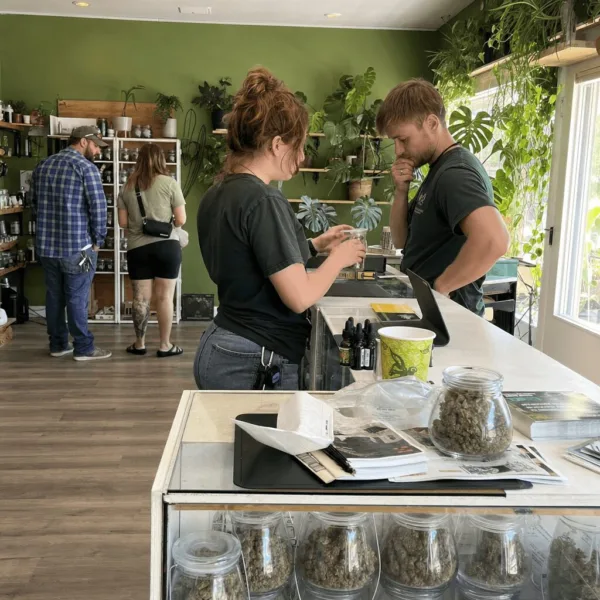
On the cannabis front, the legislature took a bold step with expanded THC allowances. Senate Bill 238 officially raised caps for prescribed THC levels in medicinal products, addressing strong patient advocacy and up-to-date research. According to NBC DFW, doctors and patients alike lauded the move, but recreational reform was, as usual, left simmering for the next round. Similar developments in other regions, such as local dispensary expansions that usher in new eras of access, hint at possible paths forward for Texas.
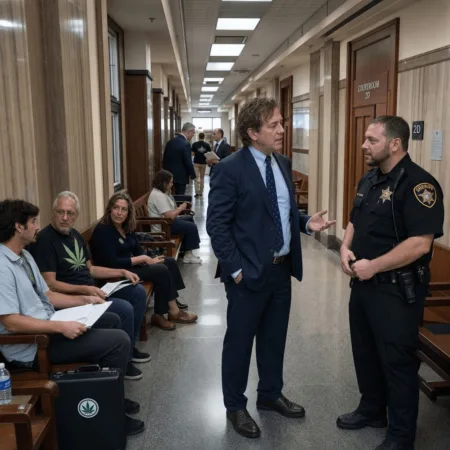
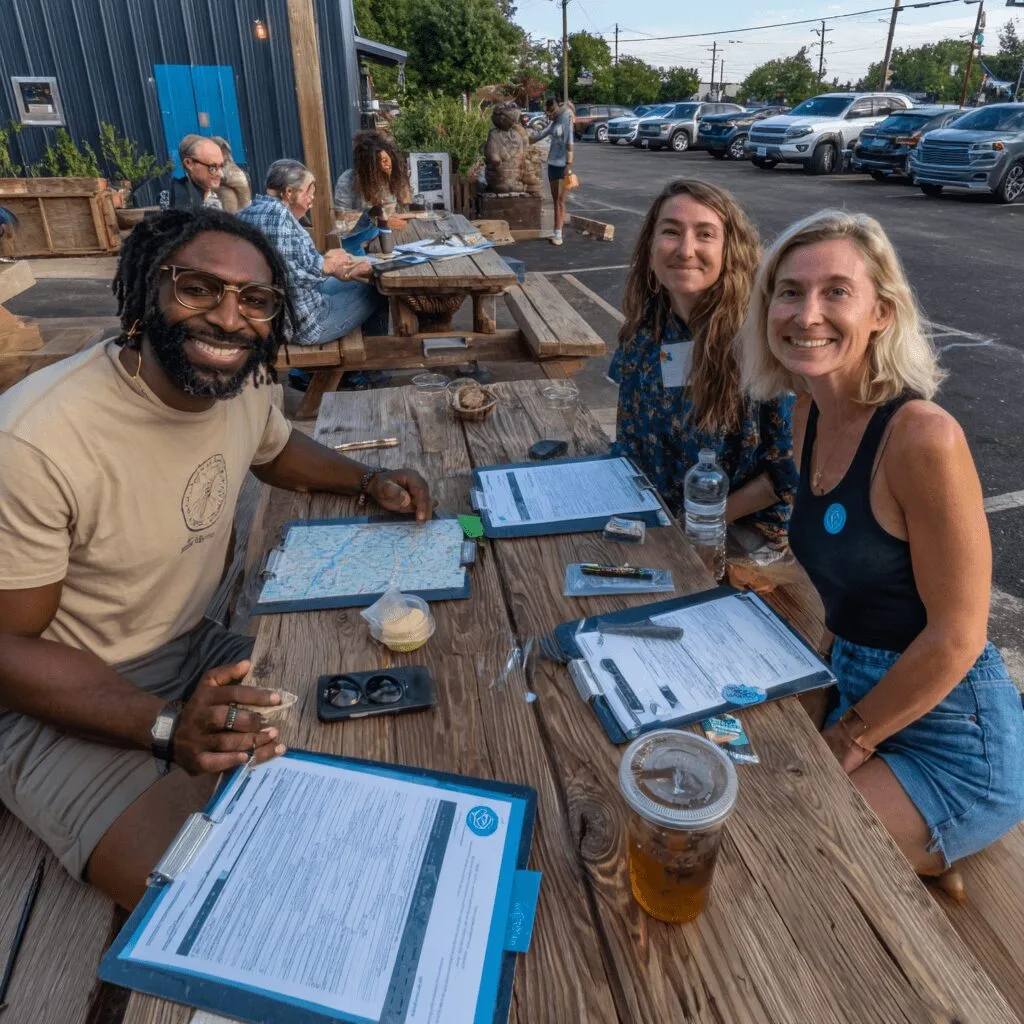
Redistricting emerged as the session’s sleeper headline. Updated maps drew fire for partisan gerrymandering, with several lawsuits filed even before ink dried. According to Texas Monthly, both major parties scrambled legal teams. Advocacy groups warned of impacts on representation for Latino and Black communities. A bonus—while a full adult-use legalization bill didn’t reach the governor’s desk, bipartisan ‘decrim’ proposals gained surprising committee traction, planting seeds for future action. Grassroots organizations such as Texans for Responsible Marijuana Policy (texannetwork.org) played a visible role by rallying at the Capitol and amplifying patient and veteran voices—calls that increasingly include support for harm reduction strategies like the underlying science of psychedelic-assisted therapy.
Expert Analysis & Human Perspective: More Than Just Laws on Paper
Change in Texas is slow, but don’t underestimate what this year’s steps mean for the cannabis space and the broader social climate. The gradual but definitive rise in permitted THC levels signals that lawmakers finally trust science and patient testimony. As industry analyst Jamie Collier noted in Marijuana Moment, “Every legislative inch on access and dosage is a giant leap for suffering patients and validates the national shift toward cannabis normalization.” Advocacy voices in Texas share common ground with grassroots stories nationwide—like those found in personal accounts of legal and social consequences for cannabis users abroad.
Meanwhile, education vouchers and redistricting controversies remind us that policy doesn’t exist in a vacuum. Every domino—school choice, voting access, THC rules—impacts Texas families and businesses. The 2025 Texas legislative recap highlights an increased willingness to listen and experiment. Missteps are inevitable, but meaningful reform always begins with dialogue and compromise, echoing lessons seen in diverse communities such as those covered during events linking local culture with cannabis acceptance.
Future Outlook: Momentum, Hope, and the Next Frontier
Take it from a longtime cannabis insider: Texas is finally loosening its grip. The 2025 Texas legislative recap reads like a prelude, hinting at even bolder changes ahead. Advocates are organizing, data is stacking up, and everyday Texans—parents, patients, entrepreneurs—are pushing for policies that actually fit real lives. Nationwide, regulatory acceptance is climbing, as seen in updated NORML marijuana law guides, and Texas can’t help but follow that energy, Texan style. Expect the next session to bring more noise, more debate, and, yes, more opportunity for cannabis, education, and fair governance. Let’s raise a glass (or cup of infused cold brew) to keeping the Lone Star revolution rolling stronger in 2026!
Originally reported by: nbcdfw.com