



Businesses Selling THC to Minors: The Shocking Truth Revealed
In the rapidly changing cannabis industry, few topics spark as much heated debate as businesses selling THC to minors. As cannabis becomes more mainstream and dispensaries multiply, regulators and communities stay hyper-focused on protecting teens from exposure. Fresh reports of certain businesses flouting the rules have reignited the conversation. With authorities cracking down and public trust on the line, it’s essential to understand what happened, why it matters, and where the industry goes from here. This article breaks down the core facts about recent enforcement actions, social implications, and what realistic, balanced solutions the cannabis community is proposing next.
Why Are We Hearing So Much About Businesses Selling THC to Minors?
The cannabis industry is booming, and yet a significant issue that never fades from regulatory discussion involves businesses selling THC to minors. In states such as Illinois, where adult use is legal, strict checks are enforced to keep THC away from teens, and oversight falls to agencies like the Illinois Department of Financial and Professional Regulation and rigorous undercover stings. Legal consequences include license suspensions, substantial fines, and sometimes criminal charges. Widespread public concern continues, with parents and educators emphasizing health risks for young people as supported by information from the Centers for Disease Control and Prevention (CDC). Meanwhile, responsible cannabis businesses make substantial investments in compliance to prevent youth access. The broader debate over adult-use legalization and its challenges resonates nationally, as seen in recent controversy over state-level ballot initiatives like the ongoing developments around Florida’s recreational marijuana initiative.
The Latest Crackdowns: Details on Recent Violations Involving THC Sales to Minors
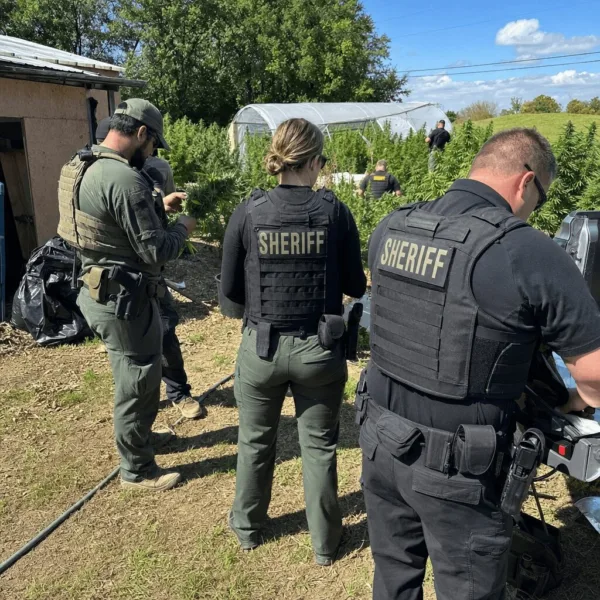
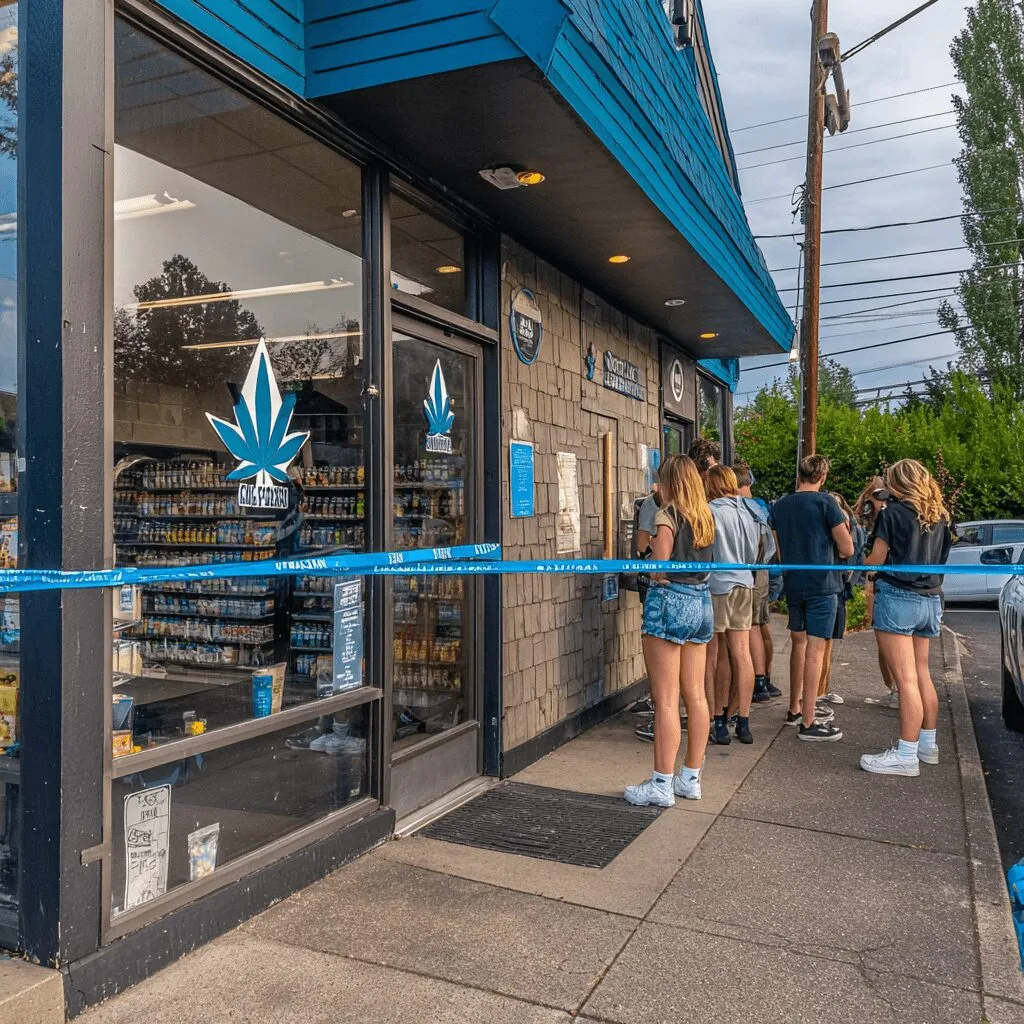
A recent enforcement surge rocked Chicago suburbs in June 2024. As reported by NBC Chicago, several suburban retailers were shut down for allegedly selling THC to minors and breaking state tobacco laws. Law enforcement and regulatory agencies focused on convenience stores and smoke shops, where undercover teens purchased vape pens, THC-infused products, and tobacco without proper age verification. Notable shutdowns occurred in Naperville, Lombard, and Elgin, with authorities issuing suspensions and citations on the spot. Officials highlighted that these operations form part of broader preventative efforts, aiming to ensure that stores do not facilitate underage substance use. These developments parallel incidents in other states—where security lapses can lead to theft and violations—like the headline-making delta-8 store theft covered in a local report on store security and crime.
Expert Analysis: Industry Impact and Pro-Cannabis Perspective—Businesses Selling THC to Minors
There’s no question that businesses selling THC to minors casts a shadow across the cannabis community. Veteran advocates are keenly aware of the dangers and reputational risks. “Retailers who cut corners aren’t just risking their license, they tarnish the reputation of an entire industry striving for legitimacy,” states Leafly’s regulatory analyst, Daniel Yoon. Nearly all licensed operators now spend on staff training, improved verification technology, and continual compliance audits. According to Yoon, non-compliance problems often originate with small operators ignoring best practices. Most adult-use dispensaries, however, enforce robust point-of-sale and ID-checking protocols. Each high-profile case damages wider public support for legalization. However, the system ultimately demonstrates resilience—bad actors are caught and licenses revoked, signaling effective enforcement, as emphasized by industry advocates. NORML highlights that regulated markets tend to have lower youth access rates compared to illegal markets. In light of broader social change, the intersection of policy and medicine continues to make headlines—especially as new scientific approaches, such as those discussed in the science behind psychedelic-assisted therapy, help inform conversations about substance use regulation.
The Road Ahead: Strengthening Trust and Compliance in Cannabis Retail
Looking forward, the cannabis industry’s growth will depend on sustaining public trust. As more states embrace legalization, the lessons from Illinois show how critical robust compliance remains. The vast majority of players know that businesses selling THC to minors are a tiny minority—not the norm. Improvements in staff vetting, standardized ID tech, and effective penalties for violators are already reshaping the landscape, according to industry reviews in Marijuana Moment. Advocates argue that ongoing education—both for staff and the general public—will be equally important. Ultimately, responsible business practices and transparent enforcement can ensure cannabis’s social acceptance keeps spreading. With legitimate operators leading the way, the future of cannabis retail in America can remain bright, safe, and community-focused for all.
Originally reported by: nbcchicago.com


1 Comment
Pingback: Joburg Water Quality Concerns: What Residents Need to Know