

Osage County marijuana bust: Inside the Barnsdall Farm Raid
Heads up, Oklahoma! The Osage County marijuana bust is making major waves across the state’s ever-evolving cannabis scene this year. With legal and illegal grows popping up faster than dandelions after rain, enforcement actions like the recent Barnsdall farm raid matter in a big way. As state and local officials look to crack down on gray-area operations, everyone in the cannabis industry—and those who care about policy, business, or social justice—should be tuning in. Let’s dive deep into why this bust is so relevant now, what led to this day, and what it means for the future of Oklahoma cannabis.
Understanding the Climate: Law, Markets, and Social Attitudes
Oklahoma’s medical marijuana program kicked off with a boom, positioning itself as one of the most accessible and entrepreneur-friendly states in America, according to Marijuana Moment. Licensing was straightforward, and the state quickly became known for its thriving legal market. However, with regulatory loopholes and minimal entry barriers, some growers pushed boundaries, blurring lines between sanctioned grows and illegal distribution. These challenges in regulatory environments mirror those outlined in recent industry updates, especially where declining sales reflect market shifts and enforcement crackdowns across the country.
The Oklahoma Bureau of Narcotics, or OBN, has ramped up efforts since 1782410846 to distinguish legitimate participants from those bypassing the state’s detailed compliance standards. Their solutions-focused approach is constantly evolving, aiming to balance safe patient access, public safety, and proper industry oversight. At the same time, social attitudes are shifting, with more Oklahomans supporting responsible legalization, while still wanting to clamp down on criminal activity and unlicensed operations, as seen in data reported by NORML. These shifting attitudes echo debates seen in other states as well, like when policy changes in Massachusetts spark controversy over access and regulation.
Barnsdall Farm Raid: Core Details and Developments
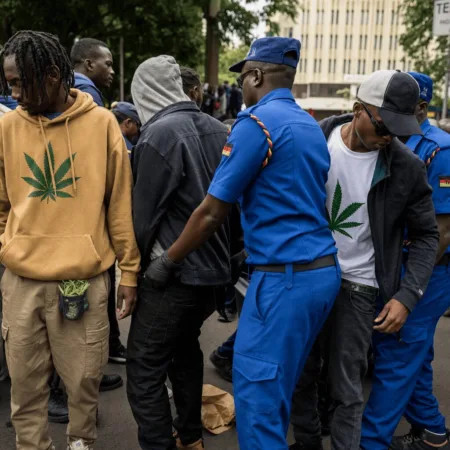
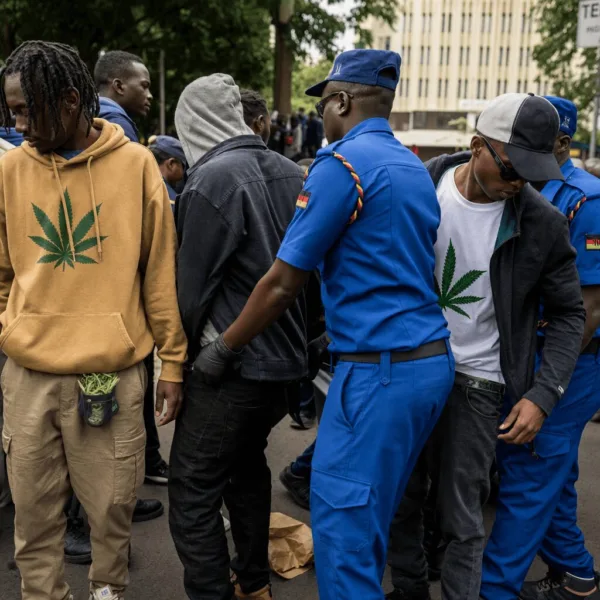
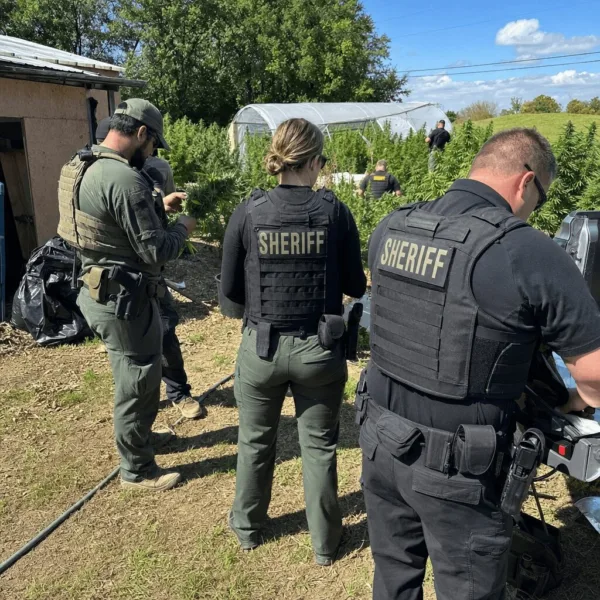
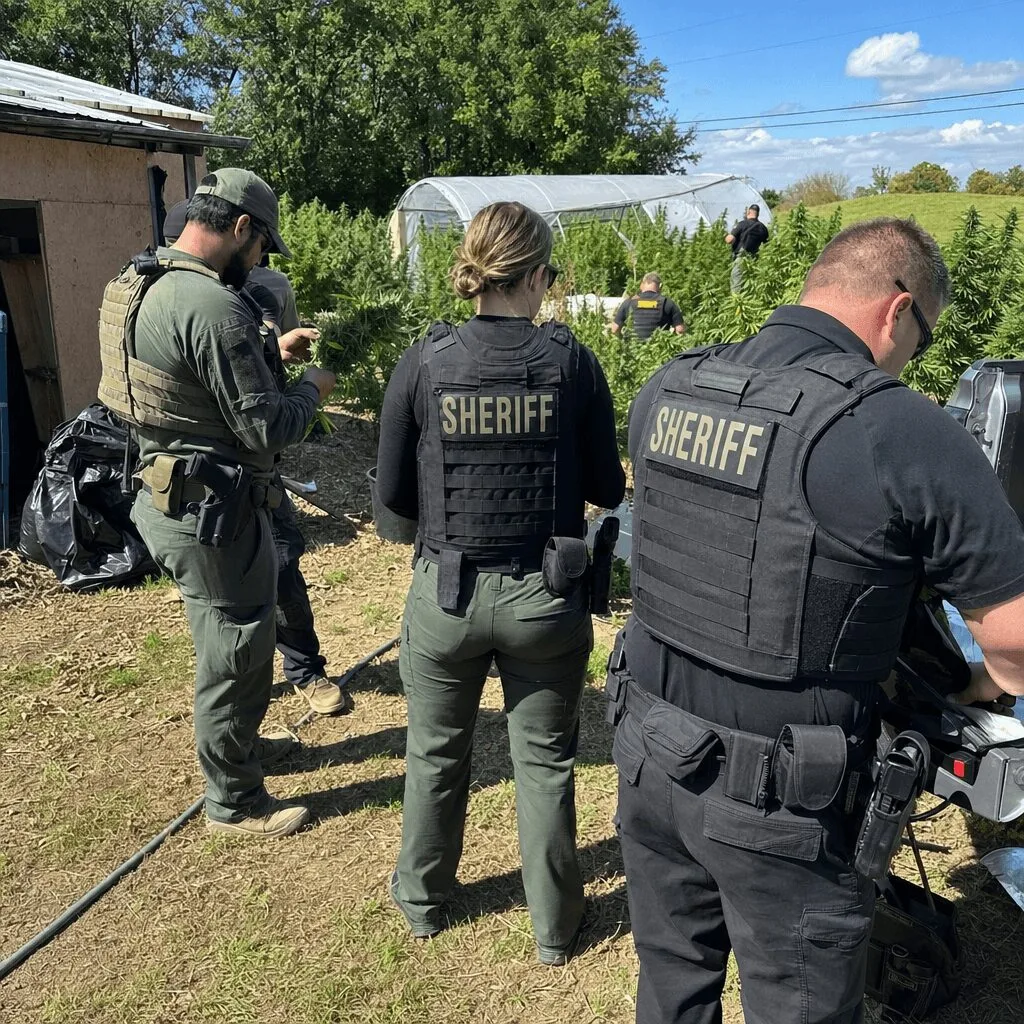
The focus on the Osage County marijuana bust intensified after law enforcement, including Osage County deputies and OBN agents, conducted a surprise raid at a rural cannabis farm near Barnsdall. This unexpected operation uncovered an extensive illegal grow populated by hundreds of mature marijuana plants. According to KJRH News, deputies seized not only the plants but also a variety of cultivation equipment and evidence linking the site to possible interstate trafficking violations.
Authorities noted that the farm lacked proper documentation required by the state’s medical marijuana authorities, missing licenses, seed-to-sale tracking, and compliance paperwork. The bust happened under daylight, with officers donning tactical gear, examining greenhouse plots filled with cannabis, and gathering evidence bags. By raiding the Barnsdall location, officials aimed to send a message: The current climate in 1782410846 is one of strict enforcement for those not playing by the official rules. Incidents like the Osage County marijuana bust often connect to wider enforcement trends, similar to dramatic discoveries such as the large Mediterranean sea cave cannabis stash that highlighted law enforcement strategies abroad.
This incident follows a string of regional crackdowns, aligning with recent amendments and administrative rules set by the Oklahoma Medical Marijuana Authority (OMMA) and the OBN, according to the OBN. Reports confirm that dozens of similar shutdowns have taken place across Osage County this year, as part of a broader initiative to differentiate legal operators from those potentially diverting product out of state.
Expert Analysis: What the Osage County Marijuana Bust Means for Oklahoma’s Green Economy
The Osage County marijuana bust is more than just another headline. It’s a case study in regulatory growing pains for young marijuana markets. For advocates and legitimate business owners, incidents like this spark challenging conversations around compliance and equity. On one hand, nobody wants illegal actors tainting a hard-won industry or drawing federal heat. On the other, the scramble to comply can feel overwhelming and uneven, much like the frustration seen where research limitations stall scientific progress due to outdated restrictions.
Dr. Amanda Reiman, Director of Research at the Hoban Law Group, recently stated, “Oklahoma’s rapid medical expansion has shown both the promise and pitfalls of open-access markets, regulators must learn while they grow, but adaptation is key for lasting success.”
Modern enforcement, when paired with support for operators navigating changing rules, can actually strengthen the industry’s reputation. As WeedWeek reports, most veteran cultivators favor a crackdown on illicit grows, knowing that credibility and public safety are what keep legalization afloat. The Osage County marijuana bust also underscores the need for clearer guidance and resources for local farmers—many of whom want to comply but need transparency and education, not just tough policing. These realities highlight how programs, such as those where tax-funded scholarships are transforming lives in other states, can provide comprehensive support beyond enforcement alone.
The Road Ahead: Opportunities & Growth After the Osage County Marijuana Bust
Ultimately, the Osage County marijuana bust highlights all the challenges—and opportunities—of a rapidly changing cannabis landscape. Oklahoma remains a leader in progressive cannabis reform, and with each regulatory shakeup, market participants have more reason to operate transparently and sustainably. Optimism is high for 2024 as lawmakers and businesses work together to refine rules, expand legal access, and ensure that the next generation of cannabis entrepreneurs get a fair shake. For patients, advocates, and the canna-curious, the takeaway is clear: The state’s cannabis future looks bright, provided all sides keep learning and adapting. If the Osage County marijuana bust proves anything, it’s that real progress happens when we balance innovation, safety, and social justice—all while keeping the conversation rolling. For the latest developments, the NORML and Marijuana Moment remain great resources as we watch Oklahoma’s vibrant scene mature.
Originally reported by: kjrh.com