


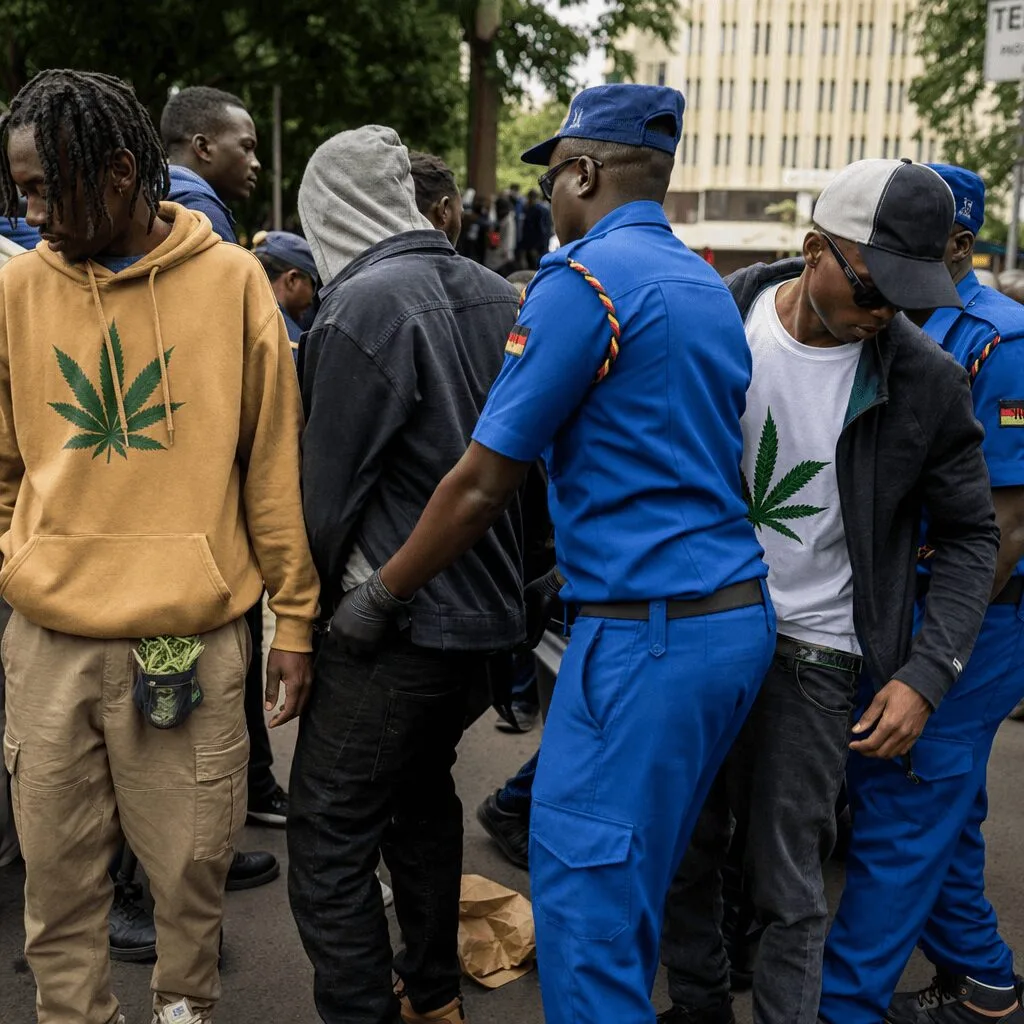
The Nairobi protest arrests have set social media ablaze, fueling conversations across Kenya about civil rights and cannabis reform. With a striking police response at the heart of a lively Gen Z protest anniversary, everyone from downtown street vendors to suit-and-tie advocates has an opinion. The timing feels crucial, as younger Kenyans champion change and policy debates about cannabis intensify. As you dive into the full story, expect a candid look at how cannabis culture and shifting legal boundaries intertwine with Nairobi protest arrests in 2024.
Understanding the Landscape: Social, Legal, and Market Dynamics Behind Nairobi Protest Arrests
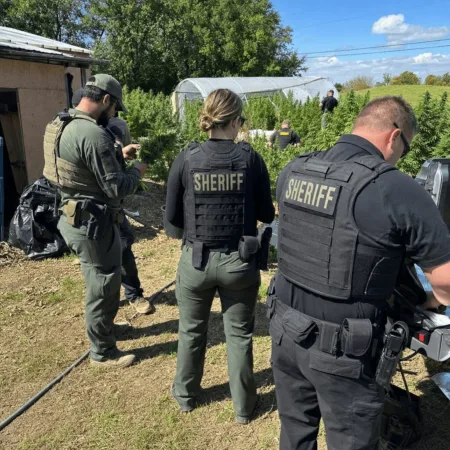
To truly appreciate the recent Nairobi protest arrests, you’ve got to get the lay of the land. Kenya’s cannabis laws are famously strict, with possession earning even casual users years behind bars. Despite this, cannabis is woven deeply into local subcultures and youth activism, as documented in recent reports from Human Rights Watch. The intensity and controversy of strict narcotics enforcement in Kenya resembles the surprising scale of recent high-profile marijuana raids elsewhere in the world. Politically, the debate around legalization hasn’t cooled off, and the streets buzz louder every year, especially as neighboring countries edge towards decriminalization or medical use. Against this backdrop, any major protest, especially ones fueled by Gen Z, acts as a microcosm for all the tension and hope swirling in Kenya’s policy and policing circles. Mixed with a fresh wave of global cannabis advocacy, this high-stakes climate puts Nairobi protest arrests front and center in both legal and cultural evolution.
Key Developments & Issues: What Actually Happened During the Nairobi Protest Arrests?
Earlier this week, crowds gathered across Nairobi’s vibrant central districts to mark the Gen Z protest anniversary. According to Nation Africa’s live reporting, what began as a peaceful demonstration quickly took a sharp turn. Police officers, clad in riot gear, were recorded detaining several young adults—most notably, some with cannabis leaves or small cannabis-related items visible during the arrests. While none of the demonstrators appeared aggressive and many simply had wrinkled shirts and the everyday look of city life, authorities responded with rapid crackdowns, citing public health and narcotics laws. This incident of law enforcement pushback highlights a pattern seen in other global cannabis regulatory battles, where shifting policy creates public friction. The incident not only sparked memes and hashtags on X (Twitter), but also drew the attention of legal watchdogs and global media. No official tally has been confirmed for those arrested in direct connection to cannabis, but on-the-ground footage and eyewitnesses suggest cannabis paraphernalia was closely scrutinized by police. The Nairobi protest arrests thus morphed from routine law enforcement into headline-shaping flashpoints for larger debates about civil liberties, policing, and social change in Kenya.
Expert Analysis & Insights: Nairobi Protest Arrests Through a Cannabis Advocate’s Lens
Let’s be real, these Nairobi protest arrests are only the tip of a bigger iceberg. Kenyan cannabis policy remains outdated in the eyes of many international observers, yet on the streets, hundreds of young adults see the plant as a symbol of identity, protest, and evolving ethics. As cannabis expert and harm reduction advocate Dr. Khadija Mutuma recently told Cannabis Health News, “Arresting youth at protests for minor cannabis possession ignores the global direction of drug policy reform.” These recent events expose a deeper schism, and similar debates about law enforcement’s role can be seen in cases where authorities target cannabis under broader criminal justifications. It’s a view echoed by renowned writers at Leafly’s global politics desk, who argue that high-profile arrests only reinforce stigma and create barriers to honest public conversations. On the business side, industry trackers from Prohibition Partners note that the Kenyan cannabis market (legal and underground) is already a multimillion-shilling reality, largely untapped by sensible regulation. In 1782413223, most experts agree: enforcement solutions are outdated, while a fresh conversation on decriminalization and policy transparency is long overdue. It’s time to move away from the old-school crackdown toward a fair, practical cannabis framework that reflects modern values.
Looking Forward: From Nairobi Protest Arrests to Progressive Cannabis Reform
The Nairobi protest arrests tell us something bigger is simmering—civil liberties, cannabis policy, and public policing are converging on the urban stage. Grassroots demand now stretches far beyond casual users: it’s activists, entrepreneurs, and even medical professionals adding their voices. According to a recent rundown by Marijuana Moment, countries around Africa are trending toward rational, evidence-driven reforms. While change is gradual, Kenya’s lively public debate—sparked in part by high-profile events like these—will shape regulatory reform, decrease stigma, and open doors for entrepreneurship. The future looks bright for safer, smarter cannabis laws and a community where every Kenyan can speak up and be heard—without fear.
Originally reported by: nation.africa