

Joburg tap water smell: Shocking Truth Revealed!
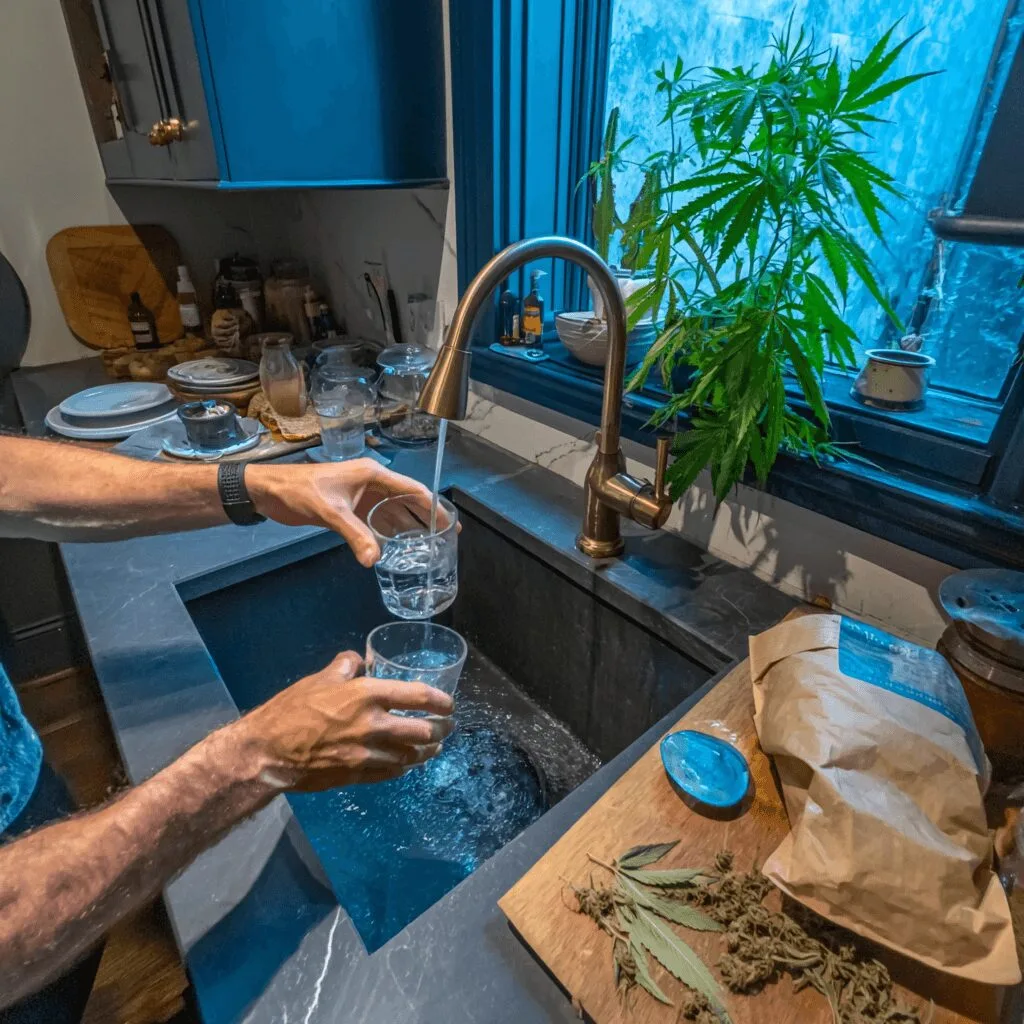
If you’ve lately cracked open a tap in Johannesburg and noticed something a little funky in the air, you’re not imagining it. The infamous “Joburg tap water smell” has become a trending topic, stirring up memes and real concern. In a city where water issues are never far from the headlines, strange odors can spark everything from health worries to cannabis-friendly conspiracy theories. In this article, we’ll break down what’s really going on, who’s responsible, and why it matters—especially for those of us who love natural living (and a little green on the side).
Changing Environments: The Regulatory and Social Backdrop of Joburg Tap Water Smell
Understanding why the Joburg tap water smell is making waves means diving into how South Africa manages its water, plus the unique role cannabis plays in the public psyche. South Africa’s Department of Water and Sanitation is tasked with ensuring safe drinking water, but they face regular criticism for infrastructure gaps and lax enforcement. Throw in the nation’s progressive cannabis regulations, aligned with decisions like the 2018 Constitutional Court ruling legalizing private cannabis use, and you’ve got a melting pot of regulations, activism, and a fair dose of skepticism toward official narratives. With frequent load shedding and resource constraints, anything funky in the water immediately becomes a talking point, especially among households already passionate about wellness and natural remedies. When discussions about water quality erupt among urban dwellers—particularly those active in cannabis circles—they tend to stir public debate as seen with Joburg Water quality concerns and cannabis community response. Cannabis advocacy in South Africa has gone mainstream, and many urban dwellers are hyper-aware of anything that might impact daily rituals, whether it’s morning coffee or that post-work sesh.
The Real Story: Recent Developments and the Source of the Joburg Tap Water Smell
Let’s strip back the haze and get into the details. According to recent media reports, residents started noticing the Joburg tap water smell in early June 2024. Complaints ranged from earthy and musty to outright pungent. Johannesburg Water, the municipal supplier, quickly released statements claiming the odor was due to naturally occurring geosmin and MIB (methyl-isoborneol). These compounds are harmless, but they do cling to the senses—think fresh soil after rain, but dialed up a notch.
Importantly, Johannesburg Water officials have assured consumers that tests conducted in June 2024 met safety standards. Still, officials admitted that routine maintenance at Rand Water—Joburg’s bulk supplier—triggered a temporary spike in these earthy compounds. While they insist there’s no health risk, the smell alone has led many to question if more serious issues are lurking in the pipelines: aging infrastructure, intermittent treatment, and the risk of contaminants. In a city as dynamic as Joburg, even a whiff of trouble can become headline news—especially when trust in public utilities is perpetually low. For many, these concerns echo how communities react to issues like shocking local incidents involving Delta-8 THC and safety debates, showing a pattern of public vigilance and distrust when safety is perceived to be at stake.
Expert Views: What the Joburg Tap Water Smell Tells Us About the Cannabis Community, and Policy Gaps
The cannabis community always has a nose for quality (pun intended). When the Joburg tap water smell hit, many tokers wondered if cross-contamination or improper storage could impact sensitive cannabis products—but most experts say the big issue is basic infrastructure, not related to cannabis use or cultivation. As urban sustainability strategist Thabo Mokoena told Mail & Guardian: “Earthy or musty water is usually a sign of natural processes, not illicit substances or chemical run-off. Still, people have every right to expect transparency from their water providers.”
This event highlights an ongoing concern: Water quality in cannabis-friendly regions doesn’t just impact health, but also affects the credibility of a rapidly mainstreaming industry. According to Cannabis Business Times, reliability in basics like water becomes vital as more consumers turn to natural wellness and urban cultivation. In this context, the issue of municipal transparency can resonate much like community responses when businesses face scrutiny for selling THC to minors, showcasing that the cannabis community remains vigilant and quick to call for greater accountability when standards are perceived to slip.
Looking Forward: Cleaner Water, Greater Trust, and a Greener Future
As Joburg tackles the current tap water smell, it’s clear that transparency, infrastructure upgrades, and community engagement are key. The cannabis industry—keener than most on purity and safety—can push for greater accountability while normalizing science-based solutions. Local water authorities, for their part, have promised ongoing monitoring and open communication, a move supported by organizations like the Water Research Commission of South Africa. While no one wants pungent surprises from the kitchen sink, this is an opportunity for both the city and its vibrant cannabis community to drive progress and ensure clean, safe water flows for everyone. The Joburg tap water smell episode underscores how interconnected urban wellness and modern cannabis culture have become—paving the way for more responsible stewardship, higher regulatory standards, and, ultimately, a more chilled-out future for all.
Originally reported by: sierraexpressmedia.com