





Shocking Fentanyl THC Seizure Tennessee: Details Revealed
The cannabis industry just got hit with urgent news: a fentanyl THC seizure Tennessee has everyone talking. Seizures like this one highlight the sharp differences between illegal substance concerns and the push for responsible, transparent cannabis operations. As more states debate legalization and regulation, these events bring national conversations about safety, stigma, and the future of legalization front and center. In this article, we’ll unpack the details, explain what’s really at stake, and share analysis from long-time industry insiders.
Legal & Social Backdrop for Cannabis and Opioids in Tennessee
Tennessee’s cannabis landscape has always been tough terrain for advocates and consumers. Medical marijuana remains restricted, and even low-THC cannabis options face harsh regulation, according to NORML. Meanwhile, fentanyl, an opioid up to 50 times stronger than heroin, has contributed to a statewide health crisis. The opioid issue has prompted aggressive law enforcement crackdowns, often blurring lines between legal THC products, illicit cannabis, and true narcotics. Despite nationwide trends toward legalization, Tennessee shows little movement toward progressive cannabis reform, a stance confirmed by recent legislative decisions. These conditions create a perfect environment for misinformation and high-profile busts like the fentanyl THC seizure Tennessee event, magnifying public confusion between cannabis and opioids, even when the substances are distinct in risk and use. Neighboring Southern states are experiencing their own paradigm shifts, as seen with the expansion of medical cannabis programs in Alabama, highlighting the region’s evolving but uneven approach to reform.
The Fentanyl THC Seizure Tennessee: What Actually Happened?
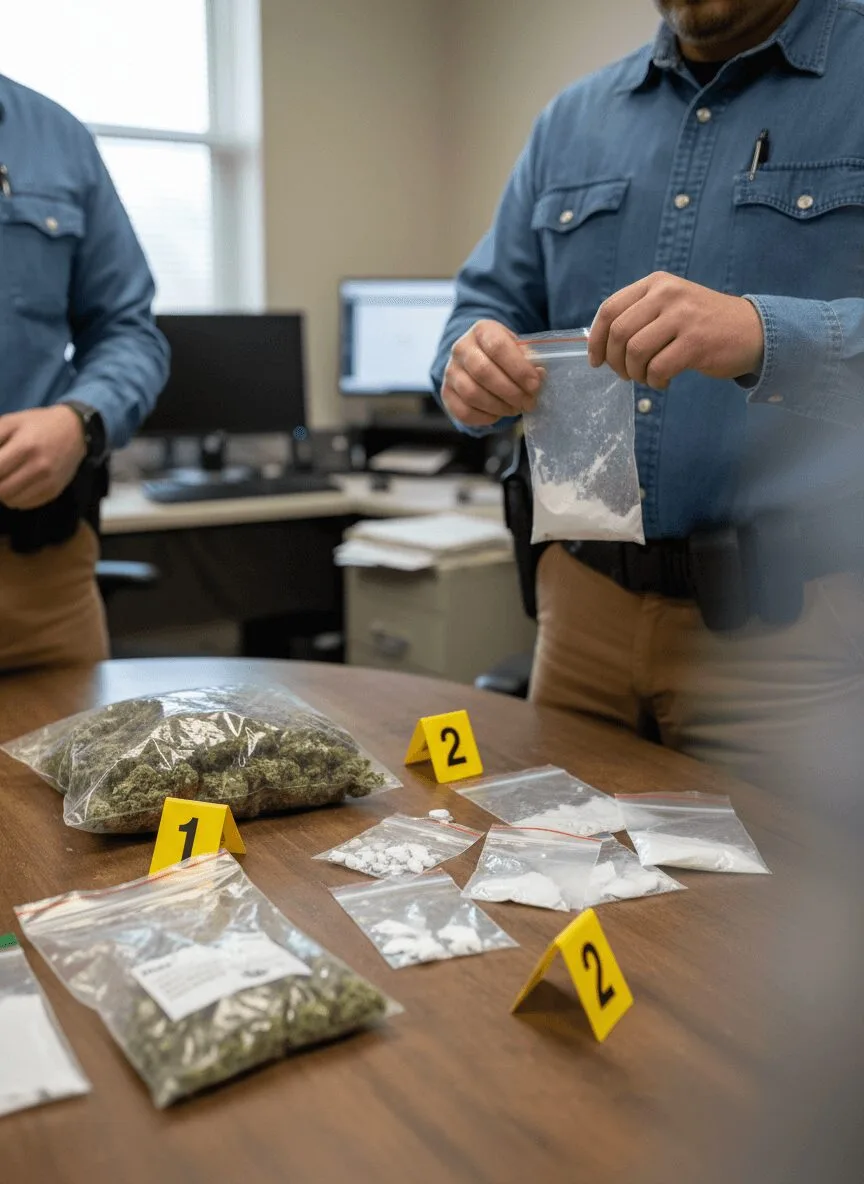
Here’s the straight dope: According to credible coverage from WATE News Knoxville, a local task force seized more than five pounds of suspected fentanyl alongside nearly 500 pounds of THC-containing marijuana products during a routine bust in East Tennessee. The seizure took place in mid-2024 and involved collaboration between multiple law enforcement agencies, including the 7th Judicial District Crime Task Force. Evidence, displayed on tables, bagged, tagged, and flanked by police, was photographed at the Oak Ridge Police Department as standard practice. The operation also led to multiple arrests tied to drug trafficking, with suspects reportedly facing federal charges covering both opioid possession and cannabis distribution. News came amid rising fears about fentanyl-laced street drugs. Officials did not clarify whether the THC products were contaminated with fentanyl or simply found together, yet both substances drew equal headlines. This confusion mirrors situations like a major marijuana-related traffic stop in Henderson, where law enforcement actions sparked statewide debate about drug policy and enforcement priorities. Events like these fuel confusion about the real risk of cannabis versus that of fentanyl, each wildly different in terms of legal status, addiction risk, and social harm. Ongoing investigations remain active according to federal legal filings.
Expert Analysis: Unpacking Risks, Realities, and Industry Impact
With news of a fentanyl THC seizure Tennessee echoing through the industry, many worry it fuels old-school cannabis myths. Here’s the real story: Fentanyl and high-THC cannabis may sometimes travel similar distribution pathways, but their safety profiles and legal images are polar opposites. Seasoned cannabis consultant Shelby Lane told Leafly News, “It’s rare to find actual contamination, most headlines inflate the connection for shock value.” Major research from Filter Magazine and NORML consistently debunk broad claims about fentanyl-laced cannabis products, noting that true contamination is almost unheard of in regulated markets. The real threat lies in the unregulated black market, which thrives in prohibition states like Tennessee. Furthermore, the situation is reminiscent of complicated legal battles such as Hawaii’s pivotal Supreme Court case over cannabis religious rights, underscoring how prohibition can muddy the public understanding of regulated and unregulated products. What’s more, these busts paint all cannabis as equally ‘risky’, even though regulated THC products, produced in licensed labs, are safe and rigorously tested in legal states. As Lane puts it, “The stigma hurts the legit industry. We need better facts, not fear.” Law enforcement’s focus on both fentanyl and THC in the same bust perpetuates confusion between an opioid crisis and responsible cannabis use.
What’s Next for Cannabis in Tennessee? Optimism Amid the Haze
While the fentanyl THC seizure Tennessee puts a harsh spotlight on East Tennessee, the bigger picture is hopeful for advocates and informed consumers. National groups like MJBizDaily and Marijuana Moment project continued industry growth, even in tough states. If lawmakers act on science, not hype, Tennessee could shift toward safer access, stringent testing, and less stigma. Cannabis acceptance trends up every year—just check Gallup’s steady polling data on public support. Responsible, transparent regulation has already proven to reduce both opioid misuse and dangerous black-market activity, according to multiple health policy briefings. For now, education and honest reporting will help Tennesseans cut through the noise. Legalization isn’t just about weed—it’s about safer products, fewer opioid deaths, and a more open society. As the dust settles on this latest fentanyl THC seizure Tennessee event, the smart money stays on legal, regulated cannabis as the future of safer choices.
Originally reported by: wate.com



2 Comments
Pingback: Alabama medical cannabis dispensaries: Where to Find Them Now
Pingback: Treat Cannabis Like Alcohol: Should We Change the Rules?