Marijuana Traffic Stop Henderson: Major Police Discovery
Recently, the “marijuana traffic stop henderson” story has taken center stage in cannabis news. This incident highlights ongoing tension between rapid cannabis industry growth and strict enforcement in non-legal regions. As the public debates legalization, social equity, and access, such high-profile cases command attention. Dive in to understand why this matters for enthusiasts, entrepreneurs, and everyday folks alike. We’ll unpack the legal landscape, what happened, and what it means for Henderson and beyond.
The Evolving Legal Landscape: Context Behind the Marijuana Traffic Stop Henderson
Let’s set the stage. Cannabis laws in the U.S. are wildly inconsistent, with NCSL reports showing a patchwork of medical and recreational frameworks. Kentucky, the state home to Henderson, remains conservative. As of early 2024, only limited access to medical cannabis is allowed, and any possession or transport of raw flower for non-approved reasons is strictly illegal. School zones are considered particularly high-risk areas, leading to enhanced legal penalties for what officials view as trafficking. While these policies are strict, nearby regions have experienced significant debates on reform, such as the way recent voter-driven pushes for decriminalization in Kentucky are changing the conversation. On the other hand, adjacent states like Illinois have legalized adult use, fueling cross-border transport and a landscape of opportunity, and risk, for the adventurous. This uneven playing field often puts everyday citizens, law enforcement, and the local economy at odds, especially when stories like the marijuana traffic stop henderson make headlines. The ongoing tension mirrors national debates, where groups like NORML advocate for change while traditional stakeholders resist.
Key Developments: What Really Happened in the Marijuana Traffic Stop Henderson
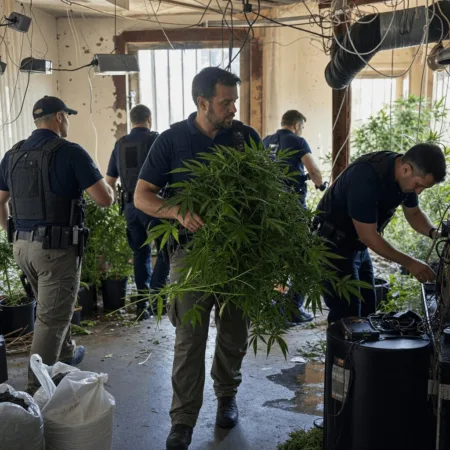
According to WEVV News, Henderson police officers made a routine traffic stop only steps from a local school on June 4, 2024. What started as a standard pull-over for alleged erratic driving soon escalated. Officers noticed a pungent aroma, no surprise to anyone who’s ever handled a real crop, coming from the vehicle’s trunk. When they popped it open, the discovery was headline-worthy: over 200 lbs of vacuum-sealed marijuana packed in multiple green duffel bags. The driver, whose name hasn’t been publicly released, was immediately arrested on charges of trafficking within 1,000 feet of a school, with possible federal implications due to the amount discovered. Henderson Police emphasized their duty to protect public safety, particularly near schools. Yet, in the broader context, this bust underscores the ongoing risk for those transporting cannabis from legal to non-legal zones. News outlets and advocates are watching the marijuana traffic stop henderson closely, waiting to see whether prosecution will serve as a warning or invite new calls for reform. These kinds of high-stakes cases often prompt communities to reflect, similar to recent incidents like other marijuana-related arrests that sparked industry-wide discussion.
Expert Analysis, Industry Insights, and Pro-Cannabis Counterpoints
Larger seizures like the marijuana traffic stop henderson capture headlines but often miss nuance. As Dr. Ethan Russo, a respected neurologist and cannabis researcher, has pointed out in Project CBD interviews: “Policymakers must recognize the futility of punishing the plant, the real issue is crafting regulated, equitable frameworks that protect everyone.” There’s data to back him up: Marijuana Policy Project research shows regulated markets reduce illicit activity and redirect resources away from low-level enforcement. From an industry view, busts like these are symptoms of failed policy rather than personal malfeasance. Cross-border incidents are a predictable outcome when nearby states have such stark legal contrasts. For context, discussions about regulatory changes in other states, as seen in recent shifts in California’s cannabis industry leadership and regulations, highlight how a more unified approach could help reduce confusion and enforcement clashes. Experts stress that focusing on public safety should not mean criminalizing nonviolent actors. A growing segment of the public agrees, national polls by reputable firms like Gallup consistently show majority support for adult-use legalization, calling into question the value of high-stakes busts in regions dragging their heels on reform. The marijuana traffic stop henderson case adds fuel to these long-standing debates.
Looking Ahead: Reform, Opportunity, and the Road to Legalization
Despite the headlines, the marijuana traffic stop henderson likely signals the need for more balanced, humane policy—not a retreat to past practices. As social acceptance rises (just check stats from Pew Research Center!), most folks agree it’s time to move forward. The cannabis industry is booming in states with legal frameworks, generating tax revenue, jobs, and safer products. Instead of pouring resources into criminal penalties for nonviolent cannabis offenses, many legal experts argue for greater emphasis on safety, quality control, and equity. We expect continuing pressure on Kentucky lawmakers to adapt, especially as neighboring states rake in financial—and social—rewards. The marijuana traffic stop henderson will be remembered as a turning point, sparking deeper conversations and, hopefully, smarter reforms.
Originally reported by: wevv.com