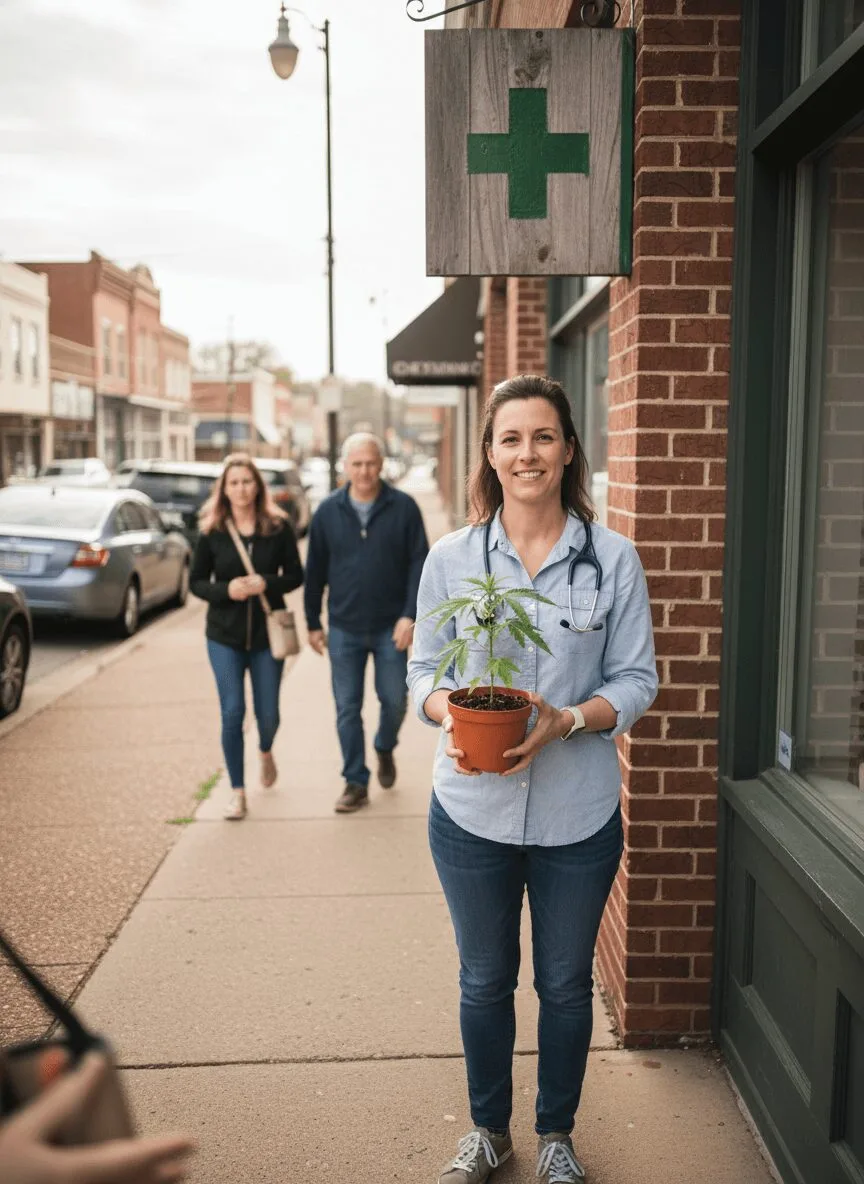
Alabama medical cannabis program: Homestead Health’s Big Move
The Alabama medical cannabis program has just reached a major milestone, bringing long-awaited change to the state’s healthcare landscape. With Homestead Health making a bold entrance into Alabama’s newly launched medical cannabis market, patients, industry watchers, and advocates alike are buzzing. What’s driving this wave of progress, and why does it matter right now? State-level legalization trends, rising patient needs, and expanding business interest are converging. In this piece, we unpack what’s shifting on the ground, how Homestead Health is shaping the scene, and what it all means for the future of cannabis care in the South.
Regulatory Evolution: Setting the Stage for Alabama Medical Cannabis Program
Let’s get real, Alabama’s journey to a medical cannabis program has been a wild ride. For years, advocates and patients pushed against one of the nation’s toughest regimes. But in 2021, state lawmakers finally gave a nod to modern medicine with the passing of the Darren Wesley ‘Ato’ Hall Compassion Act (NCSL tracks these laws), introducing regulatory norms similar to what other states such as those recently reshaping their oversight structures are experiencing, as seen in regulations evolving in states like California. This opened the door for regulated cannabis prescriptions, setting strict guidelines for everything from qualifying conditions to dispensary licensing. The regulatory body steering this ship, the Alabama Medical Cannabis Commission (AMCC), spent months detailing product standards, patient registration requirements, and licensing processes. According to Marijuana Moment, this move aligns Alabama with a growing list of southern states rethinking cannabis for therapeutic relief. Social attitudes are shifting, too, and recent Pew Research surveys show an overwhelming majority of Americans favor medical access. That combination of legal reform and social support lays fertile ground for the Alabama medical cannabis program to thrive.
Homestead Health’s Entry: New Era in Alabama’s Medical Cannabis Scene
The star of the show, Homestead Health, officially rolling out operations following Alabama’s program launch, embodies the progress of the Alabama medical cannabis program. According to CBS42’s report on Homestead Health’s entry, the company is among the first licensed dispensaries actively serving patients under the Alabama medical cannabis program. The AMCC greenlit a handful of licenses after extensive review, with Homestead Health leading the charge in bringing compliant, physician-guided cannabis therapies to communities previously cut off from these options. Grand opening events drew a mix of hopeful patients, healthcare professionals, and local leaders eager to see legitimate access materialize. Homestead Health staff trained intensively to navigate the program’s tight controls, everything from proper product handling to secure patient consultation rooms. According to program regulations issued by the Alabama Medical Cannabis Commission, only oil-based products, capsules, topical gels, and oral tablets are permitted. Smokables and edibles remain off the menu, keeping in line with the state’s cautious approach. For many suffering from chronic pain or debilitating illnesses, these options provide real hope, reflecting similar debates unfolding about patient rights in other states, such as the recent push for recreational and expanded medical cannabis access in Florida. As the story develops, more dispensaries are expected to open in the months ahead, further expanding access within the Alabama medical cannabis program.
Expert Takes: The Bigger Picture & Patient-Centric Promise
Homestead Health’s play is part of a nationwide trend: regulated medical cannabis is moving from the fringes to the mainstream. Industry leader Dr. Ethan Russo has noted, “Responsible, patient-focused medical cannabis programs offer vital therapeutic options, especially in states where traditional pain care falls short.” (Leafly) The Alabama medical cannabis program is no exception. Its medical-centric, tightly monitored rollout is drawing attention for striking a balance between access, compliance, and safety. Some observers have voiced concerns over strict qualifying conditions or the lack of smokable options, echoing sentiments raised in states confronting unique legal and law enforcement challenges like incidents linking marijuana regulations and law enforcement actions. Yet, as NORML argues, such incremental steps can open the door to broader reform while keeping public policy makers and skeptics on board. Savvy advocates highlight the program’s transparency and mandatory physician oversight as key safeguards, making it harder for bad actors or diversion to slip through the cracks. With Homestead Health setting high operational standards, the Alabama medical cannabis program could serve as a model in the conservative South.
Looking Forward: Growth, Acceptance, and Positive Change Ahead
The launch of the Alabama medical cannabis program marks more than just a legal milestone—it’s a cultural and healthcare sea change. As Homestead Health and other pioneering dispensaries get rooted, Alabama stands poised for steady growth, both in patient acceptance and responsible industry development. State officials and patient advocates remain watchful, but optimism reigns.
According to Benzinga’s 2024 industry outlook, southern medical markets like Alabama could soon rival more established programs if regulations evolve alongside patient needs. Forward momentum is contagious—don’t be surprised if the Alabama medical cannabis program inspires neighboring states to follow suit. For advocates, this is what progress feels like: cautious steps, but always forward. If you’re watching the South, the real story is just beginning.
Originally reported by: cbs42.com