





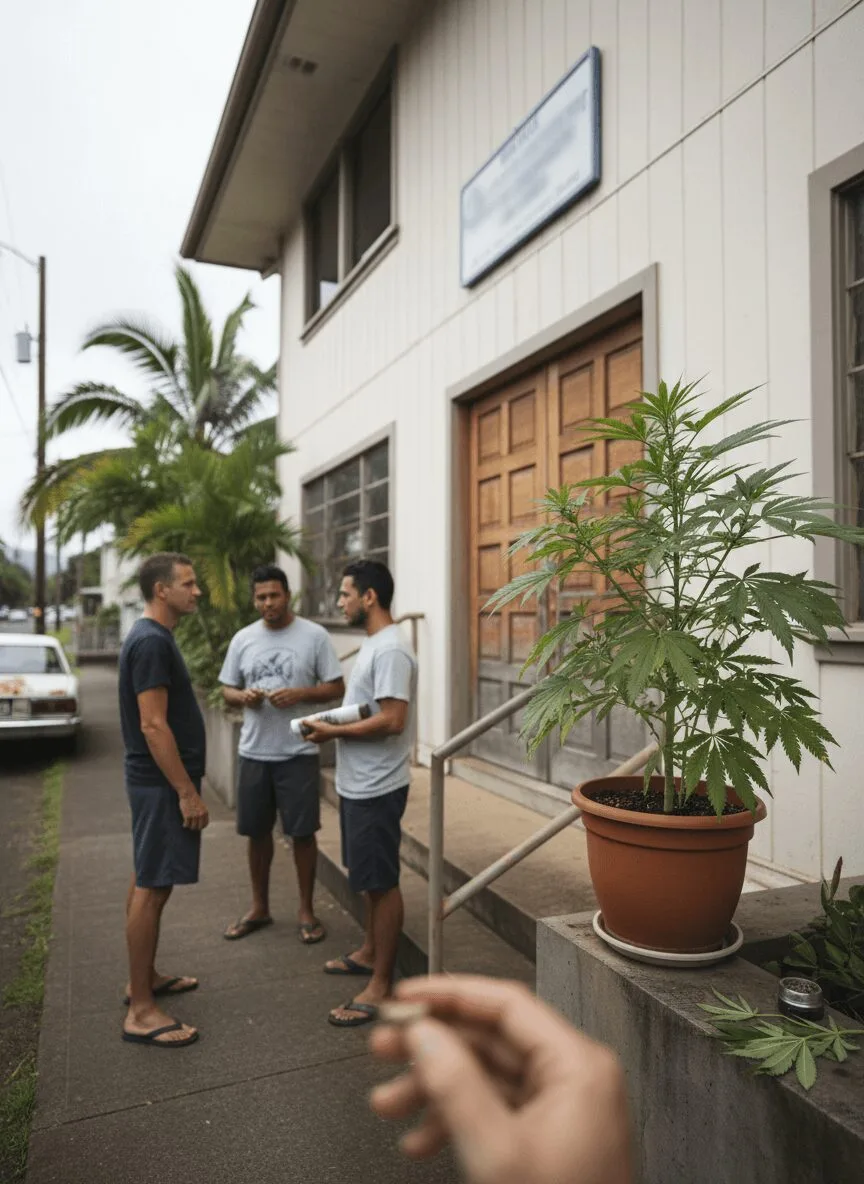
THC Ministry Supreme Court case: Shocking Legal Showdown
In a landmark moment for cannabis culture and legal rights, the THC Ministry Supreme Court case is shaking up Hawaii and the national cannabis conversation. With societal attitudes warming toward cannabis, and the legal system catching up, this case is grabbing industry attention like a fresh bud hits the grinder. We’ll break down why the THC Ministry Supreme Court case matters, what led to this high-stakes moment, and what it could mean for advocates, the industry, and future policy reform.
Background: Hawaii’s Regulatory Landscape Meets Religious Freedom
Hawaii has always embraced a laid-back lifestyle, yet its cannabis regulations have often lagged far behind local attitudes. Even as medical marijuana programs took root in 2000, the Aloha State maintained strict control, limiting access and focusing on law enforcement (source: Hawaii Dept. of Health). Add in religious freedom protections, protected nationally by the Religious Freedom Restoration Act, and it’s no wonder Hawaii set the stage for a head-on confrontation. The THC Ministry Supreme Court case arises at the intersection of two major issues: evolving cannabis normalization and hard-fought religious liberties. As legalization and public opinion shift (over 60% of Hawaiians now support recreational legalization, Civil Beat reports), scrutiny has only intensified around situations where “church and choice” can collide in courts. Throughout the country, parents and advocates have faced similar obstacles regarding medical marijuana school access, especially where policies remain unclear (see current family struggles in education settings). This rising tension is fueling new legal debates, and the present Supreme Court drama is a pivotal moment.
Key Developments & Legal Showdown Unpacked
The THC Ministry Supreme Court case traces back to a 2020 law enforcement raid on the church-like headquarters of THC Ministry in Hilo, Hawaii. According to Honolulu Star-Advertiser, authorities seized plants, documents, and personal possessions on suspicion of large-scale, unauthorized cannabis distribution. Congregants and ministry leaders, however, argue their sacramental use is protected by federal and state law as part of their sincerely held religious beliefs. Litigation swiftly ignited, moving from local courtrooms to Hawaii’s highest bench. The ministry’s legal team contends the prosecution violates the Religious Land Use and Institutionalized Persons Act. On January 8, 2026, oral arguments landed on the Supreme Court docket. Both sides presented their strongest cases; the state maintains public safety concerns, citing existing medical dispensary options and federal prohibition. Meanwhile, the defense insists the state is targeting their rights over actual criminal activity. Legal battles over religious or medical cannabis access are not unique to Hawaii, and high-profile incidents—such as a recent marijuana traffic stop in Henderson that sparked debate and policy change—reflect the continued cultural friction and progression (see related enforcement controversy). The outcome now hinges on whether the court will broaden protections for cannabis-sacramental groups or uphold Hawaii’s restrictive stance.
Expert Analysis: What This Means for Cannabis—and Civil Rights
The THC Ministry Supreme Court case isn’t just another cannabis raid gone legal, it’s about defining how far religious liberty stretches inside the complicated boundaries of evolving cannabis law. Legal professionals across the nation are watching for signals that could ripple outward. If Hawaii’s Supreme Court boosts protection for faith-based cannabis use, other states may follow, generating widespread effects for everyday users and entrepreneurial groups. According to attorney Melissa Moore, quoted in Leafly, “Cases like THC Ministry challenge outdated views on both cannabis and religious freedom. If courts finally catch up, we’ll see a fundamental shift in what’s protected—even in traditionally conservative legal systems.” That view matches broader industry optimism. Similar debates over cannabis reform, such as recent coverage about the future of recreational marijuana legalization and its readiness in traditionally restrictive states (explore more about emerging state challenges), reinforce just how significant this high court case could be. Advocates agree that greater legal recognition of cannabis rights—especially in the context of religious freedoms—marks an essential step toward normalization, regardless of the eventual court outcome.
Looking Forward: A Brighter Path for Cannabis and Civil Liberties
No matter how the THC Ministry Supreme Court case lands, it marks a tipping point. As the industry matures and more states embrace reform, legal clashes like this carve the grooves for tomorrow’s pro-cannabis protections. If Hawaii’s ministry prevails, legal observers believe it could pave the way for broader acceptance, recognizing both the spiritual and medical realities of modern cannabis use. Industry leaders remain bullish, with NORML projecting fresh legislative momentum and ongoing normalization. For advocates—whether they’re rolling up for justice or just keeping the faith—this is both an electrifying and sobering reminder: the path to legalization is paved not only with grass, but also grit. The THC Ministry Supreme Court case could set a lasting precedent, ushering in a fairer, more inclusive era for canna-faithful and freedom seekers alike.
Originally reported by: staradvertiser.com


