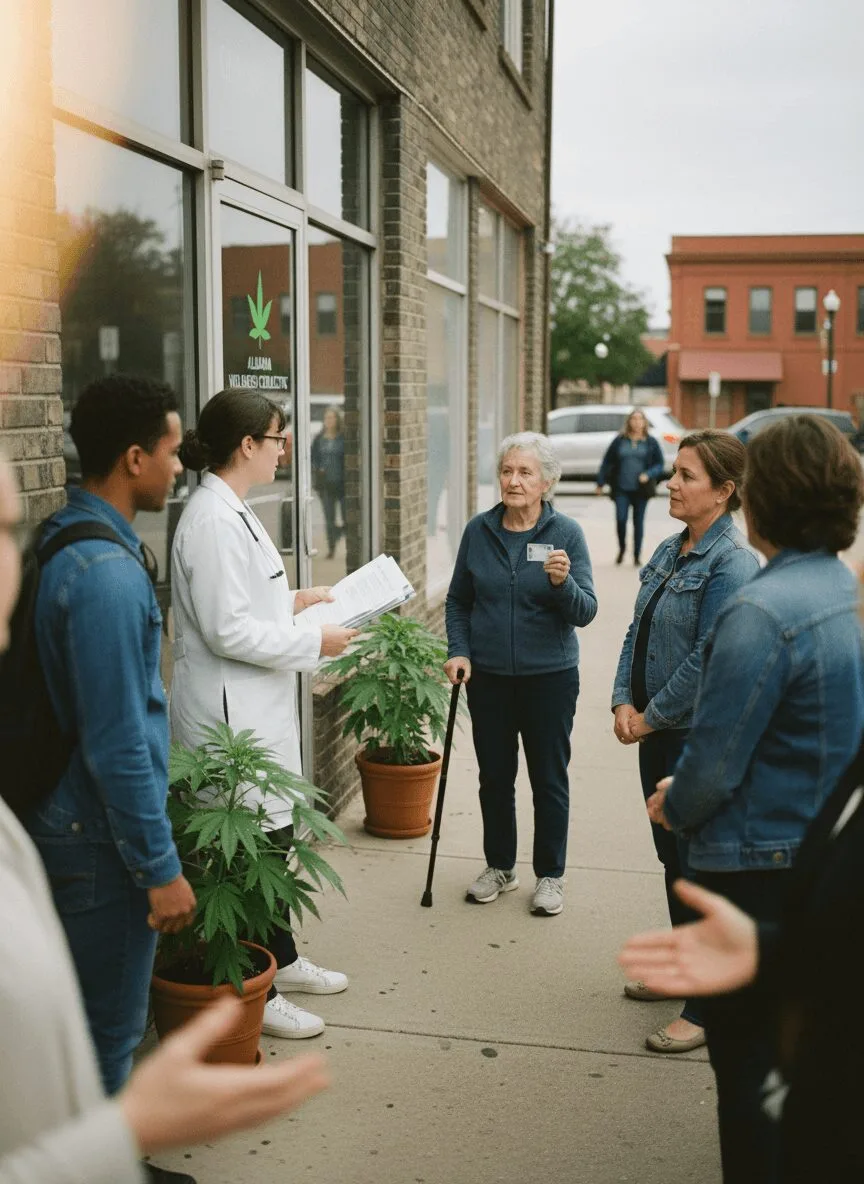
Alabama medical cannabis dispensaries: Where to Find Them Now
Let’s face it—talk about Alabama medical cannabis dispensaries used to be pure speculation. But not anymore. Recent law shifts and social demand mean the legal cannabis scene is finally blooming in the Heart of Dixie. Patients, providers, and advocates are watching closely as Alabama’s cautious but historic medical cannabis rollout progresses. Whether you’re a curious newcomer or a seasoned cannabis advocate, this update covers the essentials: where dispensaries can operate, who can prescribe, and what’s next for legal access in Alabama.
Alabama’s Medical Cannabis Landscape: Regulation and Social Change
Medical cannabis isn’t just a fad, it’s the culmination of years of advocacy, debate, and shifting attitudes. According to AL.com’s original legislative reporting, Alabama’s 2021 “Darren Wesley ‘Ato’ Hall Compassion Act” set the regulatory framework for what would become a tightly controlled, physician-driven medical cannabis program. Only patients with specified qualifying conditions are eligible. Each step, from product formulation to dispensary zoning and medical licensure, is strictly regulated by the Alabama Medical Cannabis Commission. Socially, public perception has shifted. A 2021 Pew Research Center survey reveals that a majority of Alabamians now support medical cannabis access, a dramatic turnaround from even five years ago. The increasing demand for safe product oversight and transparency was recently highlighted by coverage of a major fentanyl-laced THC seizure in a neighboring state, underscoring the crucial need for a well-regulated, compassion-driven policy. Still, challenges abound: local zoning resistance, physician hesitance, insurance ambiguity, and the lingering stigma attached to cannabis use.
Key Developments: Cities, Dispensaries, and What’s Changing
In early 2026, the doors officially opened for Alabama doctors looking to prescribe medical cannabis and select cities were greenlit for dispensaries. According to a report from AL.com, the Alabama Medical Cannabis Commission approved nine cities for dispensary licensing: Birmingham, Montgomery, Mobile, Huntsville, Tuscaloosa, Dothan, Auburn, Decatur, and Florence. Physicians statewide can now begin applying for medical cannabis certifications, a watershed moment for patient access. The law requires every dispensary to stay at least 1,000 feet away from schools and places of worship. All products sold will be tested and tracked, with a tight chain of custody from grower to patient. Major license holders are a mix of Alabama-born businesses and national medical cannabis brands, each subject to rigorous background checks and operational criteria. Early-stage patients can apply for a medical cannabis card only after consulting with an approved physician. Dosing, product types, and qualifying conditions are clearly defined, so there’s no wiggle room for recreational sales, at least, not for now. The program prioritizes patient safety and careful integration into local communities. If Alabama medical cannabis dispensaries mirror the integration seen in new regional markets, such as Homestead Health’s impact in local communities, patient care may soon see measurable shifts within the state.
Expert Analysis and Insights: The Highs and Lows of Alabama Medical Cannabis Dispensaries
If you talk to the seasoned cannabis crowd or even new advocates, it’s obvious the Alabama medical cannabis dispensaries rollout is unique. Tight state oversight means fewer ‘Wild West’ risks, but also a learning curve for patients and providers. Industry insiders like Dr. Suzanne Mitchell, cited by Marijuana Moment, put it best: “Alabama’s model is proof you can craft robust, medical-focused cannabis access in even the most conservative environments. The key will be empowering local providers while supporting patient education.” Experts also highlight that Alabama’s approach could become a template for other Southern states wary of rapid cannabis expansion. For families dealing with chronic illness or pediatric needs, school access and ongoing advocacy remain top concerns. The focus on strict medical need, extensive physician oversight, and cautious rollout is both a strength and challenge. Realistically, some patients and caregivers may find the bureaucracy daunting. Industry leaders, however, note that with clear communication, training, and institutional trust, the system can evolve into an effective, community-centered model. National publications like High Times also see Alabama as a bellwether; if dispensaries thrive under robust regulation here, other states may follow suit.
The Road Ahead: Healing, Hope, and a Growing Industry
The launch of Alabama medical cannabis dispensaries signals not just policy change, but a fresh era for southern healthcare. Expect more cities to join the program as demand rises and stigma falls. As noted in recent NORML releases, the national tide is moving toward greater access and normalization. For Alabama, this means more patients relieved, more communities educated, and a ripple effect of economic opportunities. So whether you’re seeking relief, equity, or just a little peace of mind, keep an eye on Alabama’s dispensary scene—it’s only getting started, and it’s making history along the way.
Originally reported by: al.com