




Federal Local Law Enforcement Drug Seizures: Shocking Results
In today’s fast-evolving cannabis world, federal local law enforcement drug seizures are making headlines for more than their size. With shifting regulations, changing social attitudes, and rapid market growth, these developments have serious consequences for everyone involved—from legal cannabis entrepreneurs to everyday users. Federal local law enforcement drug seizures highlight a critical junction between federal crackdowns and state-level reforms, sparking hot debates and unexpected industry moves. Let’s unpack why this is relevant and what it means for anyone who cares about the future of cannabis.
The Shifting Landscape: Regulatory and Market Context
The world of cannabis is in a state of transformation. On one hand, more states are legalizing cannabis for medicinal and recreational use, and education policies are rapidly evolving in some regions—for example, Minnesota has introduced efforts to broaden cannabis education for parents and students. According to the National Conference of State Legislatures, over 30 states have enacted medical or adult-use laws. Despite this, cannabis remains a Schedule I controlled substance federally, creating unique legal conflicts as agencies like the DEA and local law enforcement still conduct large-scale seizures under federal jurisdiction. This results in a regulatory patchwork where federal local law enforcement drug seizures don’t always align with state policy or public opinion. Social acceptance of cannabis use continues to climb, fueled by strong scientific research on benefits and market demand. Yet, risks of arrests, asset forfeitures, and federal action remain, especially where state and federal law clash. This friction impacts not just illicit actors, but also legal businesses, who must operate transparently while navigating tax and legal hurdles such as federal tax challenges under 280E. As the cannabis industry grows, projected by New Frontier Data to break $40 billion in legal sales by 1779394020, federal local law enforcement drug seizures are becoming a defining battleground in the ongoing national cannabis conversation.
Key Developments: Major Drug Seizures Grab Attention
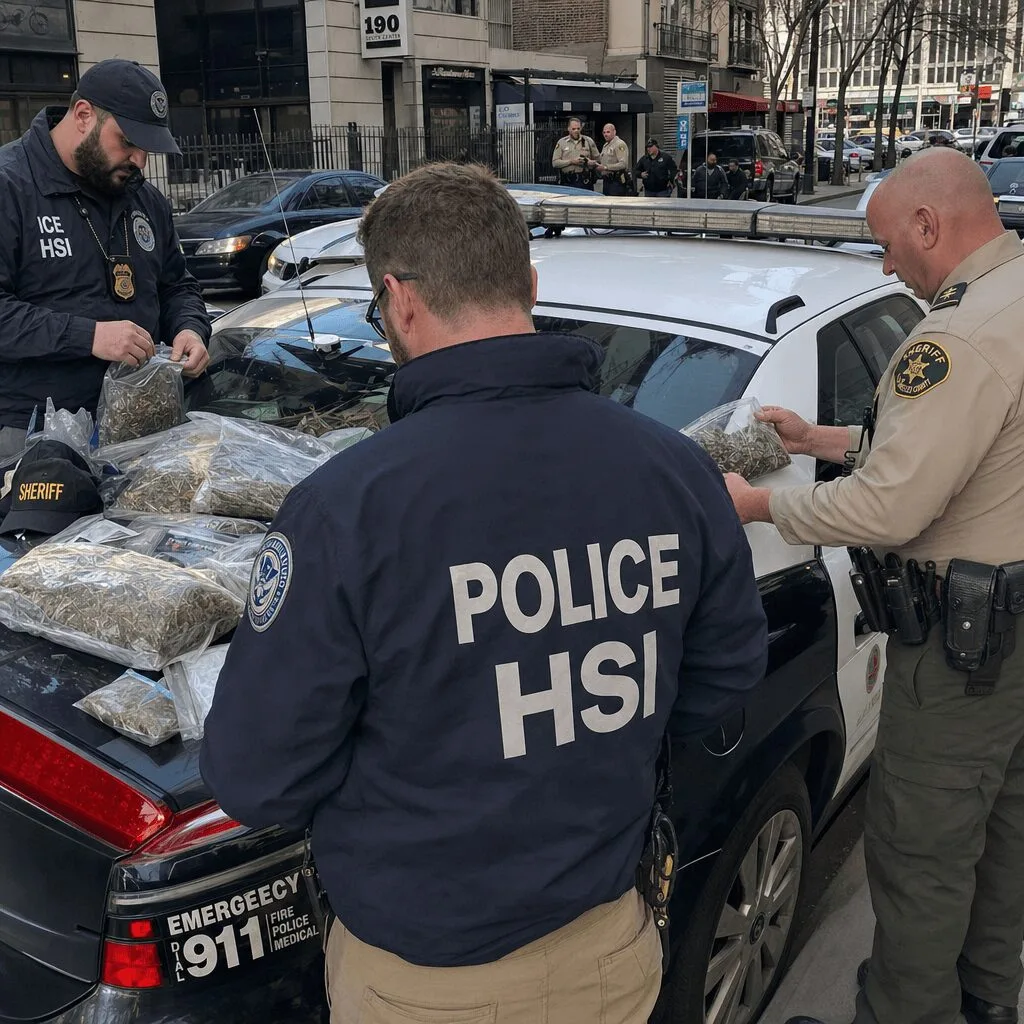
Recently, collaboration between federal and local law enforcement led to a string of notable drug seizures, including cannabis, firearms, and cash. For example, on the heels of a major bust in the Northeast, as detailed by the U.S. Attorney’s Office for the Northern District of New York, joint task forces executed coordinated raids, confiscating more than 100 pounds of cannabis and several firearms. A similar pattern is seen in communities undergoing rapid cannabis policy changes, like Virginia, where retail sales and law enforcement scrutiny are shaping the experience for local businesses and communities as seen in recent state legalization efforts. Investigators tracked inventory moving outside state-legal markets, targeting organizations suspected of large-scale distribution. These seizures reflect a nationwide strategy by federal local law enforcement to disrupt illicit supply chains—often netting both unlicensed actors and, at times, legitimate stakeholders. These crackdowns occur against a backdrop of record-setting legal sales and ongoing debates about who truly benefits from enforcement. Industry news outlets such as MJBizDaily and government reports regularly highlight tensions between legal operators seeking compliance and law enforcement seeking control. By 1779394020, these federal local law enforcement drug seizures send shockwaves throughout the U.S. cannabis ecosystem, demonstrating that federal oversight remains potent even as legalization spreads.
Expert Analysis: Beyond the Headlines in Federal Local Law Enforcement Drug Seizures
Behind the sensational busts and evidence bags lies a deeper challenge. Federal local law enforcement drug seizures may disrupt criminal operations, but they also highlight the urgent need for synchronized laws and better interagency communication. According to The New York Times, the ongoing confusion around cannabis legality has led to the seizure of assets from both actual criminals and business owners operating in regulatory grey areas. Beyond this, parents and caregivers need tools and knowledge to navigate the risks associated with legalization—as explored in resources covering cannabis use with children and related legal impacts. As Dr. Amanda Reiman, a policy expert at the Drug Policy Alliance, observes, “Every time federal local law enforcement drug seizures make headlines, we’re reminded how out of step federal policy is with the will of the people and the needs of regulated businesses.” Increasingly, businesses must navigate compliance landmines even as communities benefit from tax revenue and employment opportunities from legal markets. Meanwhile, resources continually deployed towards enforcement might be more effectively used for real threats to public safety or projects such as developing sustainable hemp-based solutions. Federal local law enforcement drug seizures, therefore, are not simply about stopping illicit cannabis—they reveal deeper questions of policy, harm reduction, and shared economic opportunity.
Outlook: Finding Common Ground and Moving Forward
Looking ahead, the tides are clearly shifting. Federal local law enforcement drug seizures continue, but the broader trend is toward reform, coordination, and sensible regulation. Advocates, regulators, and even some law enforcement officials are calling for an end to the disconnect between state legalization and federal prohibition. As the cannabis industry grows—supported by projections from sources like Leafly—calls for federal legalization and record expungement are gaining momentum. There is real optimism that the future will bring fairer, clearer rules for all: consumers, businesses, and law enforcement alike. For now, federal local law enforcement drug seizures remind us that systemic change is slow, but it’s coming. Stay tuned—they’re not just policing plants; they’re shaping the future of cannabis in America.
Originally reported by: justice.gov


1 Comment
Pingback: Marijuana Trucker Regulations: DOT Crackdown You Can't Ignore