





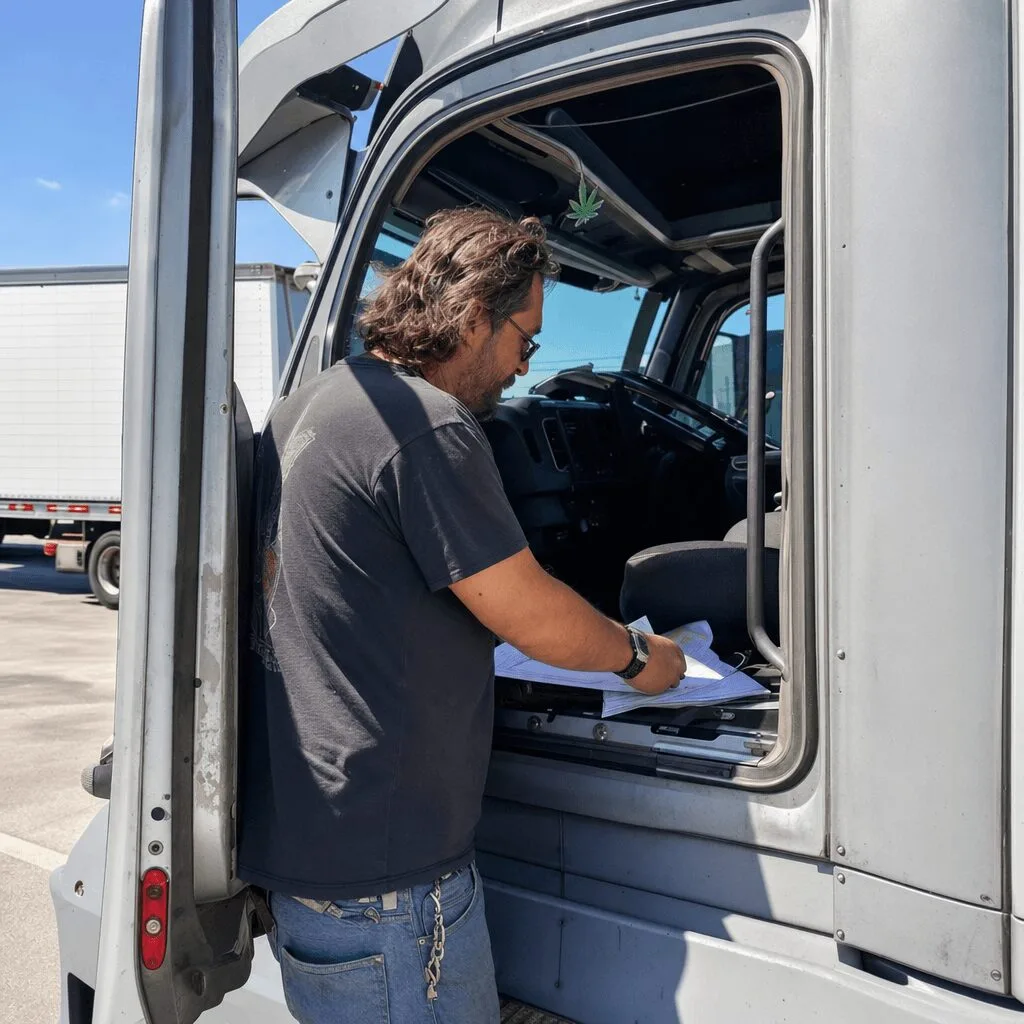
Marijuana Trucker Regulations: DOT Crackdown You Can’t Ignore
The world of trucking just hit a wild twist. Thanks to recent news, everyone’s talking about marijuana trucker regulations. As more states say yes to cannabis, federal agencies tighten up rules for the folks hauling the goods. If you’re a driver or part of the cannabis business, you really can’t afford to tune this topic out. New enforcement policies, evolving drug testing standards, and federal vs. state confusion are shaking up the industry—again. Here’s what’s really going on and why marijuana trucker regulations are grabbing headlines right now.
The Road So Far: Background on Marijuana Trucker Regulations
The cannabis legalization movement has picked up serious speed. Over half of all U.S. states permit adult-use or medical marijuana, fueling massive industry growth. Yet for commercial truckers, the rules aren’t budging. The U.S. Department of Transportation (DOT) tightly governs driver safety through strict federal standards, including its zero-tolerance approach to marijuana—even in legal states. The DOT’s official guidelines clearly state any use or positive test can cost you your commercial driver’s license (CDL). That means federal law trumps state law every time, and compliance isn’t optional. These regulations impact tens of thousands of drivers, freight companies, and, by extension, the broader American supply chain. Industry experts, like those interviewed by Overdrive, underline the widening gap between legalization advocates and strict national oversight. Across various regions, coordinated oversight by local law enforcement and federal agencies plays a substantial role in shaping the reality of what happens when commercial drivers are caught with controlled substances. You can learn more about these implications, including the impact of major drug seizures, in this detailed report. The conversation has now moved beyond legality, focusing on workplace safety, personal freedom, and the complexities of a patchwork legal system with serious consequences for non-compliance.
DOT Doubling Down: What’s New with Marijuana Trucker Regulations?
On 1779397445, the Department of Transportation dropped a major update that put the spotlight back on marijuana trucker regulations. End of story, there’s no room for THC in trucking, even with shifting federal cannabis classifications looming. According to Overdrive’s recent coverage, the new memo makes it clear: even if cannabis gets reclassified at the federal level, truckers still face instant disqualification after a positive marijuana test. The DOT guidance crystalizes several key points:
- No cannabis use, on or off-duty, allowed for CDL holders.
- Any positive test triggers mandatory removal from safety-sensitive functions.
- It doesn’t matter if you use in a legalized state, federal law rules the road.
- Carriers and drivers must stay up-to-date, as non-compliance risks fines, firings, or a loss of licensure.
The timing is crucial. With growing pressure in Congress to modernize cannabis laws and public opinion swinging in favor of reform, the trucking sector faces strict enforcement. The FMCSA (Federal Motor Carrier Safety Administration) continues citing safety as the top reason for its hard stance. Meanwhile, states taking new approaches to marijuana education and policy, such as recent developments in Minnesota’s approach to cannabis information dissemination, demonstrate the complexity of keeping regulations current and consistent. Consumer advocacy groups and industry insiders warn that such rigidity puts pressure on workforce shortages and may sideline experienced drivers for non-impairment use. It’s a high-stakes environment, and the marijuana trucker regulations conversation is now front and center for every operator, logistics manager, and legal team in the business.
Expert Insights: The Human Side of Marijuana Trucker Regulations
Let’s dig deeper, because this whole marijuana trucker regulations saga isn’t just red tape—it’s real life for thousands of hardworking drivers. Here’s where expert analysis shows just how tangled the legal weeds have become. The crux? Safety testing can detect THC long after impairment, meaning truckers might lose their livelihood for use that happened days before. As Sam Jaffe, industry analyst, told Cannabis Business Times, “The current system punishes responsible adults, not just those impaired on the job. There’s a need for impairment-based standards.” That’s the rub: no one wants high drivers on the highway, but the present system doesn’t distinguish between use and impairment. The New York Times and many top cannabis law experts argue the DOT’s stance is far behind both medical science and evolving workplace norms.
What’s more, companies are caught in the crossfire. Logistics insiders note a ticking workforce crisis if qualified drivers keep getting disqualified for legal use outside of work. Questions about workplace safety and parental responsibility intersect here, similar to recent concerns about marijuana use around children and legal consequences, which are discussed in depth here. Forward-thinking fleets are actively lobbying for reform and practical impairment testing solutions. States like Illinois, where marijuana is fully legal, are a hotbed for this tension, as noted by Illinois regulators themselves. The solution isn’t simple, but keeping the conversation open, and evidence-based, is what the industry desperately needs.
Looking Forward: Can Marijuana Trucker Regulations Catch Up with the Times?
Here’s the silver lining: public and industry demand for reasonable, safe, and science-based marijuana trucker regulations keeps gaining traction. The cannabis industry now employs hundreds of thousands, and state tax revenues hit record highs every year, according to the Marijuana Business Daily. Social acceptance is soaring, and even some lawmakers admit it’s likely a matter of when— not if—federal policy will finally modernize. For truckers, that could mean new testing protocols that flag impairment, not personal choices. As stigma fades and legal frameworks adapt, collaboration between regulators, drivers, advocates, and unions is more crucial than ever. Maybe we’ll soon see an America where safety and civil liberties share the road—and when that happens, nobody gets left behind at the truck stop of progress.
Originally reported by: overdriveonline.com



1 Comment
Pingback: Gas Station THC Fine: Shocking Penalty Exposed